The global semiconductor market is experiencing extreme price distortions as geopolitical tensions and artificial intelligence demand reshape supply chains. Nvidia’s most advanced AI server system, the B300, is now reportedly selling for nearly $1 million per unit in China—almost double its price in the United States. The surge reflects tightening US export controls, intensified crackdowns on chip smuggling networks, and explosive demand for AI computing infrastructure.
This unprecedented price inflation underscores how strategic AI hardware has become in the global technology race, particularly as China accelerates efforts to expand its domestic AI capabilities while facing restricted access to cutting-edge US semiconductor technology.
AI Demand Pushes Nvidia B300 Prices to Record Levels in China
Industry sources indicate that Nvidia’s B300 server, a high-performance AI computing system, is now priced at approximately 7 million yuan in China. This translates to around $1 million per unit, marking a dramatic increase compared to earlier pricing levels of roughly 4 million yuan just months before.
In contrast, the same server is priced at about $550,000 in the United States, highlighting a significant regional price gap driven by supply constraints and regulatory barriers.
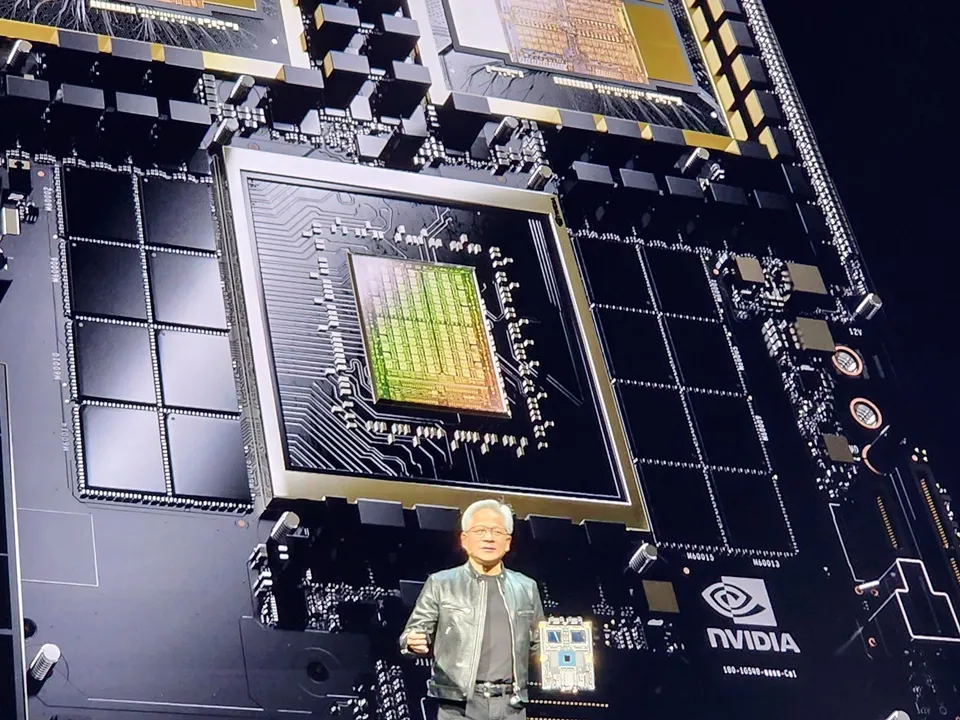
The B300 system is among Nvidia’s most powerful AI inference platforms, designed to handle massive computational workloads required for training and running advanced artificial intelligence models. Each server includes multiple high-performance GPUs and is widely used in data centers supporting generative AI applications.
The surge in Chinese prices reflects not only strong demand but also severe supply limitations caused by export restrictions imposed by the United States.
US Export Controls and Crackdown on Chip Smuggling Intensify Supply Pressure
A key driver behind the price escalation is the tightening of US export controls targeting advanced semiconductor technologies. Nvidia’s most powerful chips are subject to strict licensing requirements, limiting their official availability in China.
At the same time, authorities have intensified efforts to dismantle grey-market and black-market distribution channels that previously helped Chinese buyers access restricted hardware. Recent enforcement actions, including legal proceedings against individuals linked to chip distribution networks, have significantly disrupted informal supply chains.
Nvidia has publicly stated that the B300 is not authorized for unrestricted sale in China and emphasized that its partners must comply strictly with export regulations. The company warned that illegal diversion of its systems could undermine reliability and operational integrity, reinforcing its commitment to regulatory compliance.
These combined pressures have sharply reduced the availability of advanced AI servers in China, creating a scarcity premium that has pushed prices to record levels.
Black Market Contraction Drives Artificial Price Inflation
Historically, China’s access to restricted Nvidia hardware has been partially supported by grey-market intermediaries. These unofficial supply channels helped bridge the gap between US export restrictions and domestic demand from Chinese technology firms.
However, as enforcement has tightened, these channels have become significantly more constrained. The reduction in smuggled supply has removed a key buffer in the market, leading to rapid price inflation.
Sources indicate that the disappearance of these informal supply routes is one of the primary reasons why prices have nearly doubled in a short period. With fewer alternative procurement options, buyers are forced to compete for limited legally available units or rely on expensive secondary-market transactions.
In some cases, companies unable to afford outright purchases are turning to rental-based access models. Short-term rental contracts for high-performance AI servers have reportedly reached as high as 190,000 yuan per month, illustrating the extreme cost pressures in the market.
Rising AI Workload Demand Intensifies Competition for Compute Power
The price surge is also being driven by a broader explosion in AI usage across China. Technology firms are aggressively expanding their artificial intelligence capabilities, particularly in areas such as natural language processing, coding automation, and autonomous systems.
Chinese AI models have significantly increased their share of global token usage, reflecting rapid adoption of generative AI technologies. Token processing—used to measure AI model output—has become a key metric of computational demand, and its growth is directly tied to server and GPU requirements.
Major Chinese AI developers, including firms such as MiniMax, Zhipu, and Alibaba’s Qwen ecosystem, have reported substantial increases in model usage and computational workload. This surge has intensified competition for high-performance infrastructure, further tightening supply conditions for advanced Nvidia hardware.
Technical Capabilities of the Nvidia B300 Server
The Nvidia B300 represents one of the most powerful AI inference systems currently available. It is designed to handle extremely complex workloads required by modern artificial intelligence models, particularly those used in large-scale cloud computing environments.
Each server is equipped with substantial high-bandwidth memory capacity and delivers multi-petaflop computing performance at low-precision formats optimized for AI processing efficiency. This makes it highly suitable for tasks such as real-time language generation, large-scale recommendation systems, and autonomous AI agents.
The combination of high memory bandwidth and computational density places the B300 among the elite tier of AI infrastructure hardware globally. As a result, demand remains strong despite regulatory and geopolitical constraints.
Geopolitical Tensions Reshape the Global AI Hardware Market
The widening price gap between China and the United States highlights the growing fragmentation of the global semiconductor ecosystem. Export restrictions imposed by the US government aim to limit China’s access to the most advanced AI chips, citing national security concerns and strategic technological competition.
However, these restrictions have also created unintended market distortions. Limited legal supply combined with persistent demand has led to inflated prices, secondary-market speculation, and increased incentives for alternative procurement channels.
Chinese technology companies are simultaneously working to reduce dependence on Nvidia by accelerating development of domestic AI chips. Firms such as Huawei and other local semiconductor developers are investing heavily in alternatives designed to compete with US-designed GPUs.
Despite these efforts, Nvidia continues to maintain a dominant position in China’s AI hardware market, although its market share is gradually facing pressure from domestic competitors.
Conclusion: AI Infrastructure Becomes a High-Value Strategic Asset
The surge in Nvidia B300 server prices to nearly $1 million in China reflects more than just supply and demand imbalance—it signals a broader transformation in global technology competition.
Artificial intelligence infrastructure has become a strategic resource, heavily influenced by geopolitical policies, export controls, and national technological ambitions. As demand for AI computing power continues to accelerate, advanced semiconductor systems are increasingly treated as critical economic and strategic assets.
With supply constraints expected to persist and regulatory pressures unlikely to ease in the near term, the AI hardware market is likely to remain highly volatile. The Nvidia B300 pricing surge may represent an early indicator of a longer-term structural shift in how advanced computing resources are distributed across global markets.
About The Author