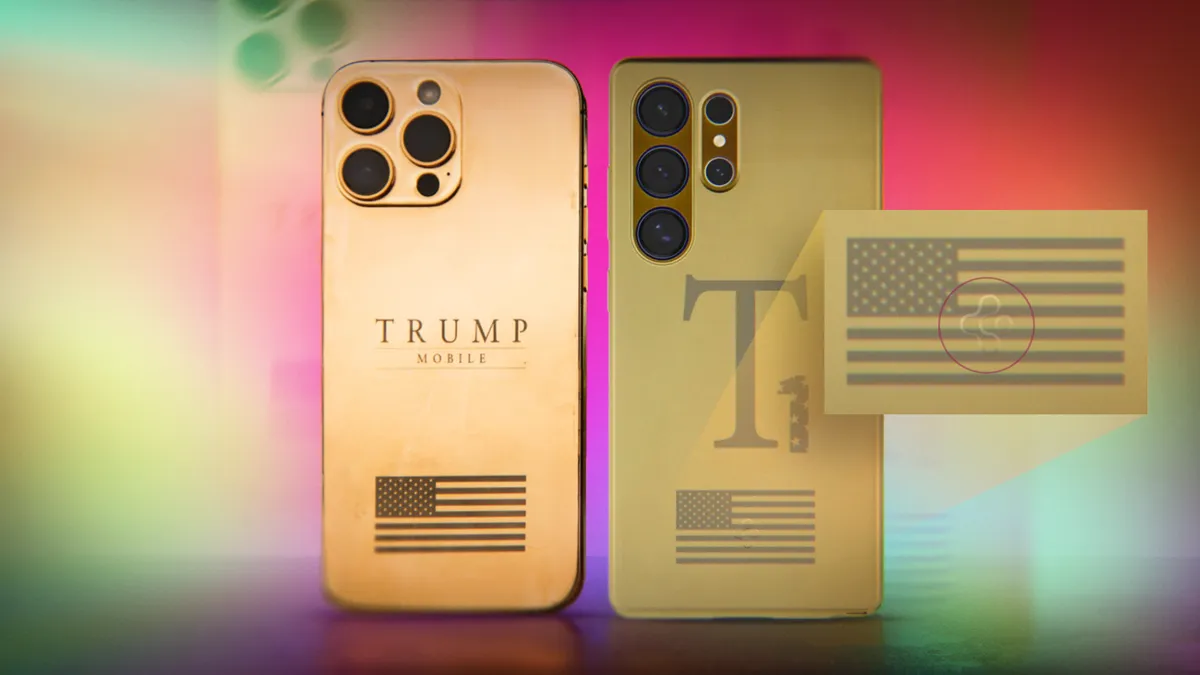
Trump Mobile’s Gold T1 Smartphone Faces Growing Controversy as Buyers Wait Without Deliveries
Trump Mobile’s highly publicized gold-colored T1 smartphone has become the center of mounting controversy after more than half a million customers reportedly paid deposits for devices that still have not shipped.
The smartphone, promoted as a patriotic alternative to mainstream brands like Apple and Samsung, generated enormous public attention when it was announced by Donald Trump Jr. and Eric Trump in June 2025. Marketed as a premium “Made in the USA” device, the T1 phone attracted hundreds of thousands of preorder customers willing to place deposits to secure early access.
However, nearly a year after the launch announcement, no confirmed customer deliveries have taken place, timelines have repeatedly shifted, and revised preorder terms now appear to significantly limit refund guarantees and delivery obligations.
The situation has raised serious concerns about consumer protection, advertising practices, and the broader credibility of the Trump Mobile project.
Massive Demand Generated Millions in Deposits
The Trump Mobile T1 smartphone was introduced as the flagship product of a new mobile service brand connected to the Trump business network.
The gold-colored device carried a retail price of $499 and was designed to work alongside Trump Mobile’s subscription-based wireless service plan. The company promoted the phone heavily as an American-focused alternative to major technology brands, emphasizing patriotic branding and domestic manufacturing claims.
Customers were asked to place a $100 deposit to reserve a device ahead of launch. According to estimates, approximately 590,000 buyers submitted deposits, generating around $59 million in customer funds.
The company initially promised shipments would begin during late summer 2025. However, delivery targets were repeatedly delayed over the following months.
Projected shipping windows reportedly moved from summer to November, then December, followed by early 2026, before public release dates eventually disappeared from the company’s website entirely.
Despite the large number of preorders, no widespread confirmed deliveries have emerged publicly.
Customers Report Poor Communication and Ongoing Delays
Frustration among customers has intensified as communication from Trump Mobile reportedly remained limited throughout the delay period.
Several media organizations and independent journalists documented repeated attempts to obtain shipping updates from customer support representatives. Buyers were reportedly given multiple conflicting timelines regarding expected deliveries.
Some customers claim they received little or no proactive communication after placing deposits. Others reported inconsistencies in billing, incomplete order processing, and unclear preorder documentation.
Investigative journalists who attempted to preorder the device also described technical problems during the purchase process. In certain cases, buyers reported being charged incorrect amounts or never being asked to provide shipping details despite receiving confirmation emails.
The lack of transparent updates has contributed to growing skepticism surrounding the project’s production status and operational readiness.
Updated Terms Raise Concerns Over Refund Eligibility
One of the most controversial developments came when Trump Mobile quietly revised its preorder terms and conditions in April 2026.
The updated language significantly altered the legal meaning of customer deposits. According to the revised terms, placing a preorder deposit does not guarantee that customers will ever receive a device.
The company stated that deposits merely provide a “conditional opportunity” to purchase the phone if Trump Mobile later decides to offer the product for sale. The revised agreement also clarified that deposits do not reserve inventory, establish ownership rights, or guarantee production or delivery.
Additional language noted that launch dates, manufacturing schedules, and estimated shipping timelines are non-binding estimates only. The terms also explicitly stated that the company does not guarantee:
- Commercial release of the device
- Regulatory approval
- Carrier certification
- Continued production
- Delivery within any specific timeframe
The revised policies further complicated refund expectations because deposits reportedly carry no independent cash value and are non-transferable.
These changes have increased concerns among buyers who now fear they may struggle to recover their deposits if the device never launches commercially.
“Made in the USA” Claims Face Scrutiny
Another major controversy surrounding the T1 smartphone involves its original “Made in the USA” marketing claims.
When Trump Mobile first announced the device, promotional materials strongly emphasized domestic manufacturing and American production. However, over time, the language on the company’s website reportedly changed significantly.
Phrases such as “Made in the USA” were gradually replaced with broader statements describing the device as “American-proud” or “designed with American values in mind.”
Reports later indicated that most manufacturing and production processes would actually occur overseas, while only limited final assembly steps would take place in the United States.
Executives associated with the project reportedly acknowledged that the device would not be fully manufactured domestically. Instead, only a small portion of the final assembly process would occur in Miami, while the majority of hardware production would be handled internationally.
These revelations triggered criticism from lawmakers and consumer advocates who questioned whether the company’s earlier advertising constituted misleading marketing.
Lawmakers Call for Federal Investigation
The growing controversy eventually attracted political attention in Washington.
Several Democratic lawmakers, including Senator Elizabeth Warren, reportedly urged federal regulators to investigate the Trump Mobile project and examine whether customers were misled through deceptive marketing practices.
Concerns raised by lawmakers focused on two primary issues:
- Potential bait-and-switch tactics involving deposits for products that may never be delivered
- Questions regarding the accuracy of the company’s “Made in the USA” advertising claims
Consumer protection advocates argue that preorder campaigns involving large deposit collections should provide greater transparency regarding production status, refund rights, and delivery guarantees.
The case has also sparked broader discussion about how celebrity-branded technology products are marketed and regulated in the digital economy.
Trump Mobile Continues Operating Without T1 Launch
Despite the unresolved status of the T1 smartphone, Trump Mobile continues operating its wireless service business.
The company offers mobile plans using infrastructure connected to the T-Mobile network and promotes features such as unlimited talk and data, roadside assistance, telehealth services, and international calling support.
At the same time, Trump Mobile has reportedly been selling refurbished smartphones and secondhand Samsung devices while the T1 project remains delayed.
This has further fueled speculation about whether the flagship gold smartphone will ever reach full-scale commercial production.
Industry analysts note that launching a competitive smartphone platform is extremely challenging due to manufacturing complexity, regulatory approvals, supply chain coordination, software integration, and carrier certification requirements.
For newer entrants without established production infrastructure, delays and logistical difficulties can quickly become overwhelming.
Technology Industry Challenges May Complicate Production
The smartphone market is one of the most competitive industries in the world, dominated by major companies with decades of manufacturing experience and deeply integrated global supply chains.
Building a new smartphone brand requires:
- Hardware sourcing
- Semiconductor procurement
- Software integration
- Regulatory approvals
- Network compatibility testing
- Carrier partnerships
- Manufacturing logistics
- Global distribution infrastructure
Even major technology firms frequently face delays, shortages, and production challenges.
For a politically branded startup operation attempting to enter this space, the barriers to execution are particularly significant.
Questions also remain about the technical specifications, production partners, and final design of the T1 smartphone itself, especially after reports suggested prototype devices shown privately differed substantially from earlier promotional materials.
Conclusion: Uncertainty Surrounds the Future of the T1 Smartphone
The Trump Mobile T1 smartphone project has evolved from a highly publicized patriotic tech launch into a growing consumer controversy involving delayed deliveries, revised preorder policies, and disputed manufacturing claims.
Although hundreds of thousands of customers collectively paid an estimated $59 million in deposits, no confirmed large-scale shipments have occurred, and updated terms now provide little assurance regarding future delivery timelines or refund rights.
At the same time, scrutiny surrounding the project’s “Made in the USA” branding and evolving product descriptions continues to raise legal and reputational questions.
Whether the T1 smartphone ultimately launches successfully remains uncertain. What is already clear, however, is that the project has become one of the most closely watched consumer technology controversies linked to political branding and celebrity business ventures in recent years.
About The Author