SpaceX Wins Major Defense Contract From U.S. Space Force
SpaceX has secured a massive $4.16 billion contract from the United States Space Force to develop a next-generation satellite system capable of tracking airborne threats and improving military surveillance capabilities. The agreement marks another major expansion of SpaceX’s role in national defense and space-based military infrastructure.
The contract is tied to the development of the Space-Based Advanced Moving Target Indicator program, commonly known as SB-AMTI. The advanced defense initiative is designed to create an interconnected satellite network capable of detecting, monitoring, and supporting responses to airborne threats across the globe.
The announcement comes as the United States accelerates investment in missile defense technology amid growing geopolitical tensions and rapidly evolving military threats. The satellite constellation developed under the contract is expected to become a key component of the Trump administration’s ambitious Golden Dome missile defense system.
Military officials say the program will significantly improve the Pentagon’s ability to detect missile launches, track moving targets, and coordinate defense operations in real time.
Golden Dome Missile Shield Expands Into Space
The Golden Dome initiative represents one of the most ambitious missile defense programs undertaken by the United States in recent years. The project is focused on building a multi-layered defense architecture capable of detecting and responding to a wide range of airborne threats, including ballistic missiles and advanced hypersonic weapons.
A central feature of the program is the expansion of space-based defense capabilities. Under the initiative, satellites will play a critical role in detecting missile launches, tracking flight paths, and transmitting data to military command centers and interceptor systems.
The new SpaceX satellite network is expected to provide continuous global coverage and eliminate operational blind spots that can limit early-warning capabilities. According to the U.S. Space Force, the initial deployment of satellites could become operational by 2028.
Officials say the system will combine advanced sensors, secure communications technology, and ground-based data processing systems into a fully integrated defense network. The objective is to create faster coordination between military branches and improve the speed of battlefield decision-making during potential conflicts.
The Golden Dome program has become a strategic priority for U.S. defense planners as concerns grow over missile developments by rival powers such as China, Russia, North Korea, and Iran.
SpaceX Strengthens Position in Military Space Industry
The latest agreement further strengthens SpaceX’s position as one of the most influential private contractors in the American defense and aerospace sector. Founded by Elon Musk, the company has rapidly expanded beyond commercial launches and satellite internet services into highly sensitive military and intelligence operations.
In recent years, SpaceX has become a critical partner for the Pentagon due to its reusable rocket technology, launch reliability, and ability to rapidly deploy satellite systems into orbit.
The company’s growing military portfolio includes classified national security launches, defense communications systems, missile-tracking satellites, and secure government space infrastructure.
Earlier this week, the U.S. Space Force also awarded SpaceX a separate $2.29 billion contract to develop a secure global communications network for military sensors and weapons systems. The project aims to provide high-speed encrypted connectivity between defense assets operating across land, sea, air, and space environments.
Combined, the two contracts highlight the Pentagon’s increasing reliance on commercial space companies to modernize national defense systems.
Industry analysts believe SpaceX’s technological advantages and aggressive launch capabilities have made the company a dominant force in the rapidly expanding military space economy.
Advanced Satellite Technology Will Enhance Missile Detection
The SB-AMTI satellite system is expected to introduce major advancements in airborne threat detection and military tracking capabilities. Defense experts say traditional ground-based radar systems often face limitations due to geographic coverage gaps, terrain obstacles, and the increasing speed of modern missile technology.
Space-based surveillance platforms can overcome many of these limitations by providing persistent global monitoring from orbit.
The satellite constellation planned under the new contract will likely use sophisticated infrared sensors, high-speed communications links, and artificial intelligence-powered data analysis to identify missile launches and track fast-moving targets in real time.
The network is expected to improve the U.S. military’s ability to monitor hypersonic weapons, which travel at extremely high speeds and can maneuver unpredictably during flight. These advanced weapons have become a growing concern for defense agencies because they are significantly harder to intercept than traditional ballistic missiles.
Military strategists believe space-based tracking systems are becoming essential for future missile defense operations, especially as global competitors continue investing heavily in advanced aerospace weaponry.
The ability to rapidly detect threats and coordinate defensive responses could provide the United States with a significant strategic advantage during future military conflicts.
Pentagon Increases Spending on Space Defense Programs
The Golden Dome missile defense initiative continues to expand rapidly in both scale and cost. According to defense officials, the estimated budget for the project has risen to approximately $185 billion, reflecting increased investment in space-based sensors, interceptors, and command infrastructure.
The additional funding is intended to accelerate the deployment of next-generation defense technologies and strengthen America’s strategic deterrence capabilities.
Space Force leaders have repeatedly emphasized that future military superiority will depend heavily on space dominance and advanced satellite operations. As a result, the Pentagon is directing billions of dollars toward orbital defense systems, secure communications platforms, and missile-tracking technology.
Several aerospace and defense companies are expected to participate in the broader SB-AMTI vendor pool alongside SpaceX. The U.S. government plans to issue additional contracts over the coming years as the program continues to evolve.
Competition within the military space sector has intensified dramatically as defense contractors seek to secure positions in long-term national security programs tied to missile defense and orbital surveillance.
Elon Musk’s SpaceX Continues Rapid Expansion
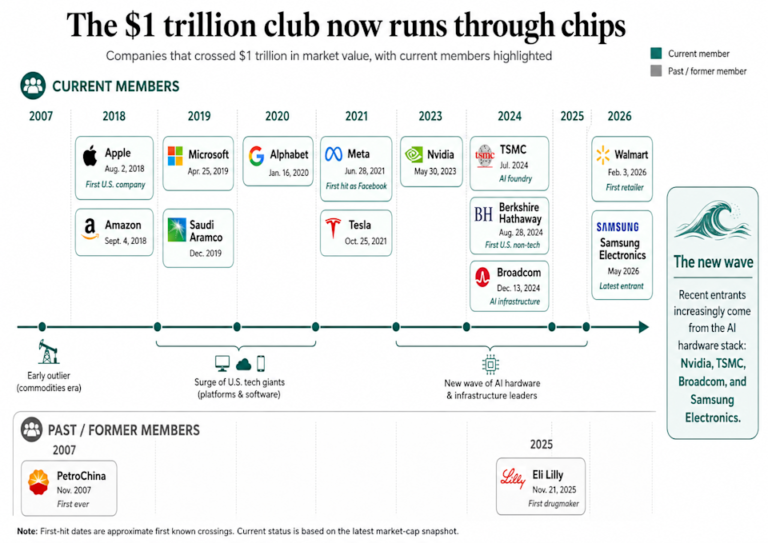
The massive defense contracts arrive at a crucial moment for SpaceX as the company prepares for a highly anticipated initial public offering. Reports suggest the company could pursue a valuation exceeding $1.75 trillion, potentially making it one of the most valuable technology firms in the world.
SpaceX’s rapid growth has been fueled by successful rocket launches, satellite deployment programs, and the expansion of its Starlink internet network. However, the company’s increasing involvement in military operations has also transformed it into a major strategic defense contractor.
Analysts say SpaceX is uniquely positioned to dominate the next generation of military space infrastructure because of its ability to manufacture satellites, launch rockets, and operate global communications systems internally.
The company’s reusable Falcon rockets and Starship development program have significantly reduced launch costs compared to traditional aerospace competitors, giving SpaceX a major advantage in securing government contracts.
As geopolitical tensions continue rising and military technology becomes increasingly dependent on space-based systems, SpaceX is expected to remain at the center of America’s evolving defense strategy.
Space-Based Defense Becoming Essential for Global Security
The growing emphasis on satellite defense networks reflects a broader shift in modern warfare. Military experts increasingly view space as a critical operational domain alongside land, air, sea, and cyberspace.
Nations around the world are investing heavily in orbital technologies designed to improve surveillance, communications, missile defense, and strategic deterrence.
The United States believes advanced space infrastructure will be necessary to counter emerging threats from rival powers that are rapidly modernizing their missile arsenals and anti-satellite capabilities.
By awarding large-scale contracts to companies like SpaceX, the Pentagon aims to accelerate innovation while strengthening national security readiness for future conflicts.
The new SB-AMTI satellite constellation could become one of the most important pillars of America’s next-generation missile defense strategy, shaping the future of military space operations for decades to come.
About The Author