Global energy markets are experiencing renewed volatility as physical crude oil prices in Europe surge to near-record levels. The latest price spike comes amid growing geopolitical tensions surrounding the Strait of Hormuz, one of the world’s most critical energy shipping routes.
Concerns over disruptions to oil shipments have triggered a rapid rise in prices for immediate crude deliveries, with certain benchmark grades approaching $150 per barrel. The dramatic increase reflects mounting fears among buyers that supply shortages could intensify if tensions in the region continue.
While oil futures have also climbed, the sharpest increases are being seen in the physical oil market, where buyers must secure actual cargo shipments rather than financial contracts.
The situation highlights how geopolitical developments can rapidly reshape global energy markets and influence the cost of fuel worldwide.
Physical Oil Markets Hit Record Levels
One of the most notable developments in the current market is the surge in prices for physical crude cargoes delivered immediately.
Data from market analysts shows that North Sea Forties crude — a key European benchmark used by refiners — climbed to approximately $148.87 per barrel, surpassing previous records.
This spike reflects the growing urgency among buyers to secure supplies amid fears that shipping disruptions could tighten global inventories.
Unlike oil futures, which are financial contracts for delivery at a later date, the physical market involves actual cargo shipments of crude oil. When supply concerns increase, buyers are often willing to pay a premium to ensure immediate delivery.
As a result, physical prices can sometimes rise faster than futures prices during periods of supply uncertainty.
Tensions Around the Strait of Hormuz
The price surge is closely linked to geopolitical developments surrounding the Strait of Hormuz, a narrow maritime corridor that connects the Persian Gulf to global shipping routes.
Roughly one-fifth of the world’s oil supply passes through this strategic waterway each day. Any disruption to shipping in the region can have significant consequences for global energy markets.
Recent developments have increased uncertainty after the United States Navy began preparing measures aimed at restricting vessels traveling to and from Iran through the strait.
These actions are tied to ongoing tensions between United States and Iran following unsuccessful negotiations aimed at resolving broader regional conflicts.
Market participants fear that if the strait becomes partially blocked or dangerous for shipping, exports from major oil-producing countries in the region could decline sharply.
Oil Futures Also Climb
While the physical market has seen the steepest increase, oil futures prices have also risen significantly.
The global benchmark Brent crude for June delivery jumped more than 6%, climbing above $100 per barrel during trading.
Although this remains below the historic peak reached during the 2008 Global Oil Price Spike, the rapid rise reflects growing concern among traders about potential supply disruptions.
Futures markets are particularly sensitive to geopolitical developments because traders anticipate how current events might affect supply and demand in the months ahead.
If tensions around the Strait of Hormuz continue to escalate, futures prices could rise further as markets attempt to price in the risk of prolonged disruptions.
Refiners and Energy Companies Face Supply Pressure
Energy companies operating in Europe are already feeling the impact of the tight market conditions.
Executives from major oil firms have warned that physical transactions are becoming increasingly difficult as buyers compete for limited cargo shipments.
Josu Jon Imaz, the chief executive of Repsol, recently noted that the physical oil market is experiencing significant strain due to supply uncertainties.
According to industry insiders, refiners and energy traders are scrambling to secure shipments before further disruptions occur.
This competition for available supply is pushing prices higher and creating a widening gap between physical oil prices and financial futures contracts.
Why the Physical Market Is More Sensitive
The sharp rise in physical oil prices illustrates how the supply chain reacts when geopolitical risk increases.
The physical market depends on several factors, including:
- Shipping routes and transportation safety
- Availability of cargo shipments
- Storage capacity and inventory levels
- Refinery demand
When a major shipping corridor like the Strait of Hormuz faces disruption, the supply chain can quickly become constrained.
Buyers who depend on regular shipments must compete for the limited cargo that remains available, which drives prices upward.
In contrast, futures markets allow traders to speculate on future prices without requiring immediate delivery.
Global Economic Implications
Higher oil prices can have wide-ranging consequences for the global economy.
Crude oil remains a fundamental input for transportation, manufacturing, and energy production. When oil prices rise significantly, businesses and consumers often face higher costs.
Potential impacts include:
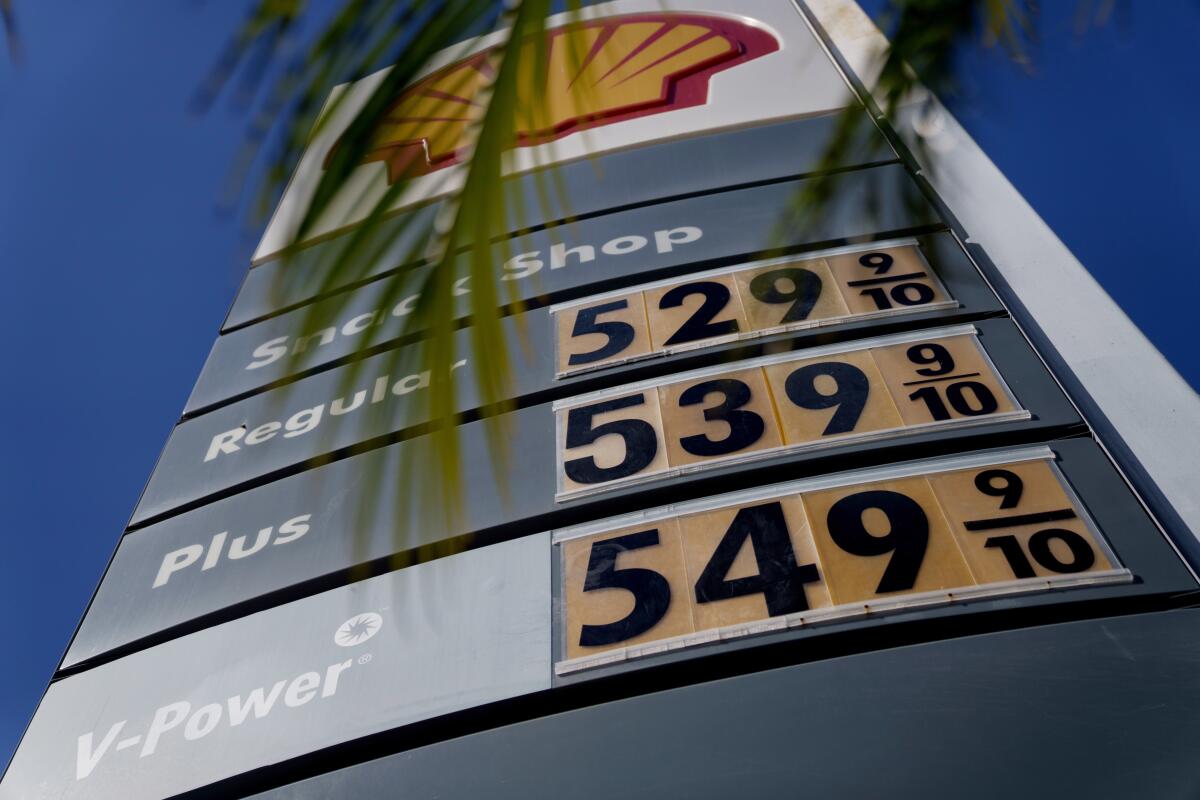
- Increased gasoline and diesel prices
- Higher transportation and logistics costs
- Rising inflation in energy-intensive industries
- Greater pressure on government energy policies
Countries that rely heavily on imported energy may feel these effects more strongly than major oil-producing nations.
For policymakers, sudden price spikes can complicate efforts to control inflation and maintain economic stability.
The Role of Strategic Shipping Routes
The Strait of Hormuz is widely considered one of the most strategically important chokepoints in global energy supply.
Located between the Persian Gulf and the Gulf of Oman, the narrow channel serves as a gateway for oil exports from several major producers.
Countries that rely heavily on this route include:
- Saudi Arabia
- United Arab Emirates
- Kuwait
- Iraq
Any disruption to traffic through the strait can reduce global oil supply and send prices sharply higher.
Because alternative export routes are limited, markets tend to react quickly to any threat involving the region.
Market Outlook: What Happens Next?
Energy analysts say the future direction of oil prices will depend largely on geopolitical developments in the coming weeks.
If tensions ease and shipping lanes remain open, prices could stabilize as markets regain confidence in global supply flows.
However, if restrictions on shipping increase or conflict escalates, the physical oil market could face even tighter supply conditions.
In that scenario, prices for immediate crude deliveries might continue to rise beyond current levels.
Governments and energy companies are closely monitoring the situation while preparing contingency plans to maintain supply stability.
A Critical Moment for Global Energy Markets
The surge in European oil prices underscores how sensitive global energy markets are to geopolitical risks.
Even the possibility of disruptions at key shipping routes like the Strait of Hormuz can trigger dramatic price movements within hours.
For now, energy traders, governments, and consumers alike are watching the evolving situation closely.
The coming weeks will determine whether the current price spike remains a temporary shock — or the beginning of a longer period of volatility in global oil markets.
About The Author