OPEC Oil Production Suffers Sharp Decline Amid Middle East Conflict
Global oil markets faced another major shock in April as crude production from the Organization of the Petroleum Exporting Countries dropped to its lowest level in more than twenty years. According to a Reuters survey, the sharp decline was primarily caused by severe export disruptions linked to the ongoing conflict involving Iran and the effective closure of the Strait of Hormuz, one of the world’s most strategically important energy shipping routes.
The dramatic fall in production highlights the growing pressure facing global energy markets as geopolitical instability continues affecting supply chains, shipping operations, and international trade. OPEC producers had originally planned to increase output as part of a broader agreement with allied countries under the OPEC+ framework. However, the escalating regional conflict made those production targets impossible to achieve.
The April decline not only intensified concerns over rising fuel prices and inflation but also increased fears that prolonged instability in the Persian Gulf could trigger a deeper global energy crisis.
Energy analysts say the situation represents one of the most serious oil supply disruptions since the early 2000s, with markets remaining highly sensitive to developments surrounding the Strait of Hormuz and diplomatic negotiations in the Middle East.
OPEC Output Falls by More Than 800,000 Barrels Per Day
The Reuters survey revealed that crude oil production among OPEC’s 12 member countries declined by approximately 830,000 barrels per day in April, bringing total output down to around 20.04 million barrels daily.
The report also revised March production estimates significantly lower, reducing previous figures by another 700,000 barrels per day after adjustments to Saudi Arabian production data.
These combined revisions pushed OPEC output to levels not seen in more than two decades, excluding changes in the organization’s membership over the years. Analysts noted that current production levels are even lower than those recorded during the COVID-19 pandemic in 2020, when global fuel demand collapsed due to lockdowns and travel restrictions.
The production collapse underscores how geopolitical disruptions can rapidly overwhelm planned supply increases, even among the world’s largest oil-producing nations.
Before the conflict escalated, several OPEC+ countries had agreed to gradually raise production in an attempt to stabilize global oil markets and ease pressure on consumers facing elevated fuel costs.
However, the worsening military tensions and severe shipping disruptions effectively blocked those efforts from materializing.
Strait of Hormuz Crisis Severely Impacts Oil Exports
At the center of the crisis remains the Strait of Hormuz, a narrow but critically important maritime route connecting the Persian Gulf to global energy markets.
The strait handles a substantial portion of the world’s oil and liquefied natural gas shipments, making it one of the most strategically sensitive shipping corridors on the planet.
Since late February, escalating conflict involving Iran has significantly disrupted maritime traffic through the region. Tanker operators, insurers, and energy companies have faced mounting security risks, leading to severe reductions in oil transportation capacity.
Industry experts estimate that prolonged disruption in the Strait of Hormuz could remove millions of barrels of oil from global markets every day.
Saudi Aramco Chief Executive Amin Nasser warned that continued instability in the area could potentially eliminate around 100 million barrels of oil supply per week from international markets if shipping conditions fail to normalize.
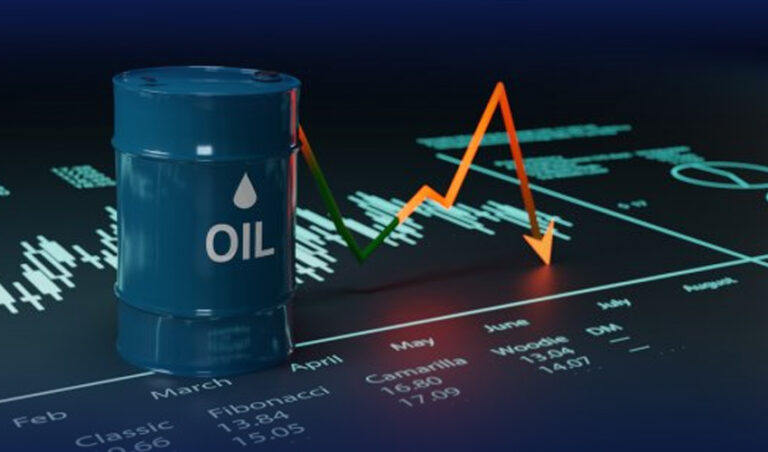
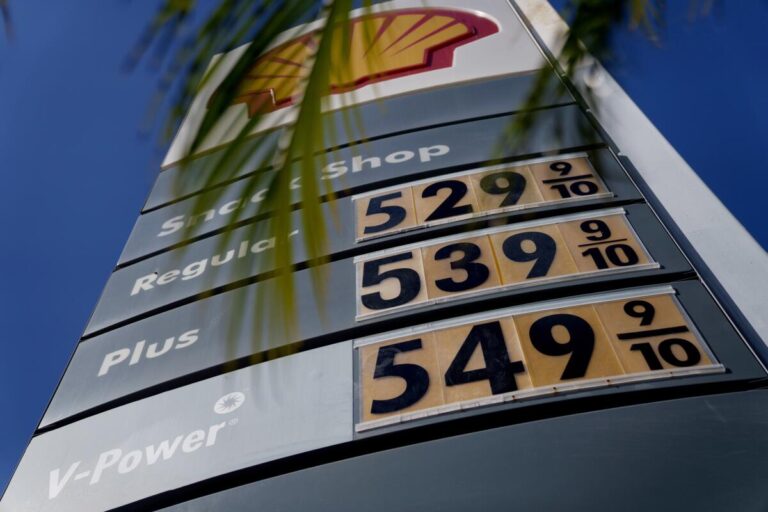
The disruption has already pushed crude oil prices above the psychologically important $100 per barrel level, increasing inflationary pressure worldwide and raising transportation and manufacturing costs across multiple industries.
Governments and central banks are now closely monitoring the situation due to concerns that prolonged supply disruptions could slow global economic growth.
Kuwait Records the Largest Production Decline
Among OPEC members, Kuwait experienced the largest drop in oil production during April. The country faced a full month of export disruption as shipping activity through the Strait of Hormuz remained heavily constrained.
Saudi Arabia and Iraq also recorded significant production declines due to logistical challenges and reduced export capacity.
The United Arab Emirates emerged as the only Gulf producer capable of increasing production during the month. Unlike several neighboring countries, the UAE possesses export infrastructure that partially bypasses the Strait of Hormuz, allowing some shipments to continue despite regional instability.
Shipping and tanker tracking data showed increased UAE exports during April, helping the country maintain stronger supply flows compared to other Gulf producers.
Meanwhile, countries such as Venezuela and Libya also reported modest increases in production, although these gains were insufficient to offset the broader collapse in Gulf exports.
The uneven impact across OPEC members demonstrates how infrastructure flexibility and alternative export routes have become increasingly important in today’s volatile geopolitical environment.
OPEC+ Production Increase Plans Collapse Under Geopolitical Pressure
Earlier this year, eight OPEC+ members agreed to resume modest production increases beginning in April as part of a coordinated strategy to stabilize energy markets. The planned increase amounted to approximately 206,000 barrels per day.
However, the outbreak of conflict involving Iran effectively rendered those agreements symbolic rather than practical.
Energy analysts noted that while OPEC+ officially approved higher quotas, several key producers simply lacked the ability to physically increase exports due to security concerns and transportation bottlenecks.
The conflict not only disrupted shipping but also increased risks to critical oil infrastructure throughout the Gulf region. Missile attacks, drone threats, rising insurance costs, and naval security concerns significantly complicated regional energy operations.
As a result, many market observers now believe that future OPEC+ policy decisions will depend less on official production quotas and more on geopolitical developments affecting actual export capabilities.
Several analysts described the current situation as a “movement crisis” rather than a traditional supply shortage because the issue centers on transporting oil safely rather than extracting it from the ground.
Rising Oil Prices Fuel Inflation and Economic Uncertainty
The sharp decline in OPEC production has intensified upward pressure on global energy prices, increasing concerns about inflation and economic stability worldwide.
Brent crude prices climbed sharply as traders reacted to the supply disruptions and uncertainty surrounding future shipments through the Strait of Hormuz.
Higher oil prices directly affect transportation, aviation, manufacturing, agriculture, and consumer goods industries. As energy costs rise, businesses often pass those expenses onto consumers, contributing to broader inflationary pressures.
Countries heavily dependent on imported energy are especially vulnerable to prolonged supply disruptions.
Financial markets have also become increasingly volatile as investors attempt to assess whether the crisis will evolve into a temporary disruption or a prolonged structural problem for global energy supplies.
Some analysts warn that continued instability could trigger demand destruction if fuel prices remain elevated for an extended period.
Meanwhile, independent refiners in China have already begun reducing fuel production due to soaring crude prices and weakening profit margins.
Global Energy Markets Remain Focused on Hormuz Developments
As the energy crisis continues evolving, financial markets remain intensely focused on diplomatic negotiations and military developments involving Iran and the United States.
Investors are carefully monitoring ceasefire discussions, naval security operations, and international mediation efforts that could eventually restore normal shipping activity through the Strait of Hormuz.
Many analysts believe the future direction of oil prices will depend largely on whether maritime traffic can safely resume in the region.
If shipping routes stabilize, some experts predict oil prices could decline significantly as supply chains normalize and OPEC+ producers gradually restore exports.
However, if tensions escalate further or the disruption continues for several more months, global energy markets could face prolonged volatility, tighter fuel supplies, and continued inflationary pressure.
For now, OPEC’s historic production decline serves as a powerful reminder of how geopolitical instability in key energy regions can rapidly reshape the global economy and influence financial markets worldwide.
About The Author