Understanding the Strategic Petroleum Reserve
The Strategic Petroleum Reserve (SPR) is the United States’ largest emergency supply of crude oil, designed to protect the country during severe disruptions to the global oil market. Created after the 1973–1974 oil embargo, the reserve serves as a national safety net that can be used when oil supplies are threatened by geopolitical conflicts, natural disasters, or major economic shocks.
Unlike commercial oil inventories owned by private companies, the SPR is controlled by the U.S. government. Its purpose is to stabilize the energy market during crises and ensure that the country has access to critical fuel resources when normal supply chains break down.
Today, the reserve remains one of the most important tools available to policymakers when global energy markets become unstable. When oil prices spike or supply routes are threatened, releasing oil from the SPR can temporarily increase supply and potentially ease price pressure.
However, the effectiveness of this strategy is often debated among economists and energy experts.
Where the Oil Is Stored
The Strategic Petroleum Reserve is stored in underground salt caverns located along the Gulf Coast of the United States. These caverns are situated in Texas and Louisiana and are capable of holding enormous quantities of crude oil.
In total, the SPR has the capacity to store up to about 714 million barrels of oil, making it the largest publicly known emergency oil stockpile in the world.
The underground salt caverns provide several advantages:
- Security: The oil is safely protected underground.
- Cost efficiency: Salt caverns are relatively inexpensive storage environments.
- Rapid access: The oil can be pumped and transported quickly through pipelines connected to major refineries.
At present, the reserve holds hundreds of millions of barrels of crude oil. Although this represents a massive supply, the United States consumes more than 20 million barrels of oil per day, meaning even large releases only cover a limited portion of national demand.
Why the Reserve Is Being Used
Oil markets can be extremely volatile, especially during geopolitical crises. When supply routes are threatened or production declines, prices can surge rapidly.
Recent tensions affecting oil shipping routes—particularly around the Strait of Hormuz—have increased concerns about supply disruptions. Because this narrow waterway carries a significant portion of the world’s oil shipments, any disruption can send global prices soaring.
In response to these risks, the United States has announced the release of 172 million barrels of oil from the Strategic Petroleum Reserve, coordinated with other countries through the International Energy Agency.
This coordinated effort is designed to stabilize oil markets by temporarily increasing global supply. Other participating countries are also releasing oil from their emergency reserves, creating a combined global release of hundreds of millions of barrels.
The goal is simple: calm markets, reduce panic buying, and limit the upward pressure on fuel prices.
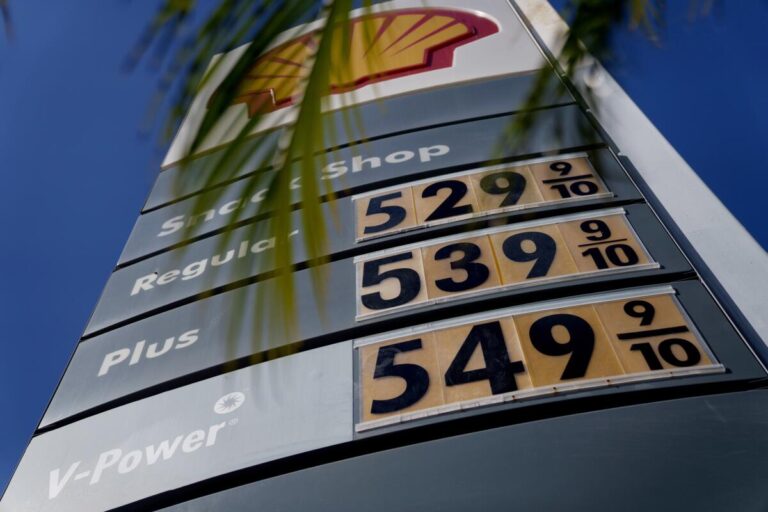
Can the Strategic Petroleum Reserve Lower Gas Prices?
While releasing oil from the Strategic Petroleum Reserve can influence the market, the effect on gasoline prices is typically limited and temporary.
When additional oil enters the market, the increased supply can help reduce price spikes. However, the global oil market is extremely large, and even a massive release from the SPR represents only a small portion of worldwide supply.
Research following a previous major release of emergency oil reserves in 2022 estimated that gasoline prices dropped by roughly 13 to 33 cents per gallon due to the additional supply.
Although this reduction can provide some relief to consumers, it rarely leads to dramatic long-term price drops.
There are several reasons for this:
- Oil is a global commodity. Prices are influenced by worldwide supply and demand, not just U.S. reserves.
- Refining takes time. The crude oil released from the reserve must still be processed into gasoline before reaching consumers.
- Market expectations matter. If traders believe supply disruptions will continue, prices may remain high even with reserve releases.
As a result, tapping the SPR usually acts as a temporary stabilizer rather than a permanent solution to high fuel prices.
How Long the Impact Can Last
Another limitation of the Strategic Petroleum Reserve is the speed at which oil can be released.
Although the reserve holds hundreds of millions of barrels, it cannot be pumped into the market instantly. Instead, the oil is gradually released over several months.
For example, energy officials have indicated that distributing the recently announced 172-million-barrel release could take roughly 120 days due to logistical limits on how quickly oil can be withdrawn and transported.
This means the effect on supply — and therefore prices — unfolds slowly rather than immediately.
In addition, because the U.S. consumes such large quantities of oil daily, even a 200-million-barrel release represents only about 10 days of national consumption. Once that supply is used, the market returns to normal conditions unless additional measures are taken.
Why Oil Markets Remain Volatile
Even with emergency oil reserves available, global energy markets remain sensitive to geopolitical events.
Several factors can drive oil prices higher:
- Armed conflicts in oil-producing regions
- Shipping disruptions along key trade routes
- Production cuts by major oil exporters
- Rising global demand for energy
When these factors occur simultaneously, the impact of emergency reserves becomes relatively small compared to the broader forces shaping the market.
For example, tensions affecting the Strait of Hormuz can influence prices worldwide because a large share of global oil shipments travels through this narrow channel. If shipping there is threatened, traders may push prices upward even before supply is physically disrupted.
Global Emergency Oil Reserves
The United States is not the only country maintaining emergency oil stockpiles.
Members of the International Energy Agency (IEA) also hold strategic reserves intended for use during global energy crises. Together, these countries control more than 1.2 billion barrels of emergency oil and refined fuel supplies.
During major supply disruptions, these countries often coordinate their responses by releasing oil simultaneously. This coordinated strategy increases the impact on global supply and sends a strong signal to markets that governments are prepared to stabilize energy prices.
The recent decision to release hundreds of millions of barrels from reserves worldwide represents one of the largest coordinated actions of this kind in history.
The Real Purpose of the Strategic Petroleum Reserve
Although the SPR is sometimes used to ease fuel prices, its primary purpose is not to manage everyday market fluctuations.
Instead, it exists to protect national energy security during extreme events such as:
- Large-scale wars affecting oil production
- Major natural disasters disrupting supply chains
- Sudden global production shortages
- Severe economic crises tied to energy supply
Because these emergencies could severely damage economies and transportation systems, the reserve acts as a strategic safeguard rather than a routine price-control tool.
Final Thoughts
The Strategic Petroleum Reserve plays a crucial role in protecting the United States from sudden disruptions in the global oil supply. With hundreds of millions of barrels stored underground, it provides a powerful emergency resource that can stabilize markets during crises.
However, while releasing oil from the reserve can slightly reduce gasoline prices, the effect is usually modest and temporary. Because oil markets operate on a global scale, no single country can fully control prices by tapping its reserves.
In practice, the SPR works best as a shock absorber — helping markets recover from sudden supply disruptions while policymakers pursue longer-term solutions to energy challenges.
Understanding how this reserve works provides valuable insight into why governments sometimes release emergency oil supplies and why those actions may only provide short-term relief at the gas pump.
About The Author