Why Stagflation Is Becoming a Growing Concern
Economic discussions in recent years have largely focused on inflation, but a new term is increasingly appearing in financial headlines: stagflation. Economists warn that certain conditions in the global economy could potentially lead to this challenging economic scenario.
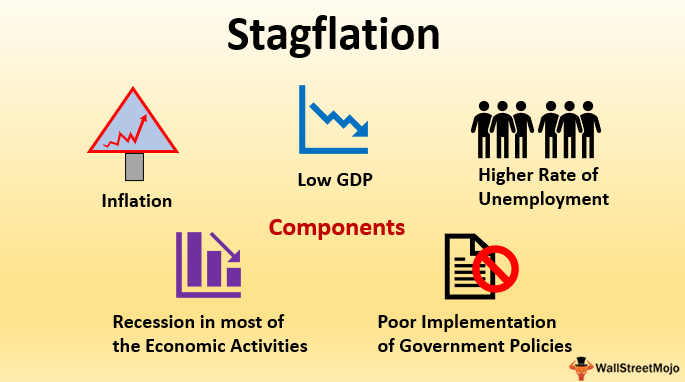
Stagflation refers to a rare and difficult economic situation where three major problems occur simultaneously: rising prices, weak economic growth, and high unemployment. These conditions create a particularly complicated environment for policymakers because traditional solutions for one problem can worsen the others.
Recently, concerns about stagflation have been raised as inflation remains elevated while economic growth shows signs of slowing in several regions. At the same time, energy price spikes linked to geopolitical tensions are adding further pressure to global markets.
Despite these concerns, officials such as Jerome Powell, the chair of the Federal Reserve, have stated that the United States is not currently experiencing stagflation. Powell noted that the classic example of stagflation occurred during the 1970s, when inflation surged and unemployment reached double-digit levels.
Nevertheless, some economists believe certain warning signs are emerging, making it important to understand what stagflation is and how it could affect everyday finances.
What Exactly Is Stagflation?
The term stagflation combines two economic concepts: stagnation and inflation. It describes a period when the economy experiences the following three conditions at the same time:
- Slow or stagnant economic growth
- High inflation (rapidly rising prices)
- High unemployment
Under normal circumstances, inflation tends to rise when an economy is growing rapidly and consumer demand is strong. During economic slowdowns, inflation typically falls because spending declines.
Stagflation breaks this pattern. Prices rise even though economic growth is weak and job opportunities are limited. This unusual combination makes it extremely difficult for governments and central banks to respond effectively.
A well-known historical example occurred in the 1970s when the Organization of the Petroleum Exporting Countries (OPEC) dramatically increased oil prices. The resulting energy crisis triggered sharp inflation while economic activity slowed and unemployment increased.
That period became one of the most challenging economic eras for policymakers in modern history.
What Causes Stagflation?
Stagflation rarely occurs due to a single factor. Instead, it usually develops from a combination of economic shocks, policy mistakes, and external disruptions.
Several conditions are commonly associated with stagflation.
Supply Chain Disruptions
One of the main triggers of stagflation is a disruption to the supply of essential goods or resources. When supply shortages occur, production becomes more expensive and businesses often raise prices to compensate.
If companies cannot produce goods efficiently due to shortages, economic growth may slow while prices continue to rise.
Major disruptions can occur due to geopolitical conflicts, natural disasters, or breakdowns in global supply chains.
Reduced Consumer Spending
Higher prices reduce consumers’ purchasing power. When households must spend more money on necessities such as food, energy, and housing, they often cut back on discretionary spending.
Lower consumer spending can reduce business revenue, forcing companies to slow hiring, freeze wages, or even lay off workers. These reactions contribute to rising unemployment and slower economic growth.
Wage-Price Spirals
Inflation can also lead to what economists call a wage-price spiral.
As the cost of living increases, workers demand higher wages to maintain their purchasing power. Businesses facing higher labor costs may raise prices further to maintain profitability.
This cycle can continue indefinitely if inflation expectations become deeply embedded in the economy.
Government Fiscal Policies
Government policies related to taxation, spending, and regulation can sometimes unintentionally contribute to stagflation.
Large government spending programs or supply-side restrictions may increase costs for businesses or reduce productivity. If these policies occur during periods of economic stress, they can worsen inflation while slowing growth.
Central Bank Monetary Policy
Central banks play a crucial role in managing inflation and economic growth. However, policy missteps can contribute to stagflation.
If monetary policy remains too loose for too long, excessive liquidity may fuel inflation. Conversely, if policymakers raise interest rates aggressively to combat inflation, economic growth may slow sharply and unemployment may increase.
Balancing these competing risks is one of the biggest challenges during potential stagflation periods.
Signs Economists Are Watching Today
Although the U.S. economy is not currently considered to be in stagflation, economists are closely monitoring several warning signs.
These include:
- Persistently high inflation
- Slowing economic growth
- Weak labor market trends
- Rising energy prices
Recent geopolitical tensions affecting energy markets have amplified concerns. Rising oil and gas prices can quickly spread throughout the economy by increasing transportation and manufacturing costs.
If energy prices remain elevated for a prolonged period, they can contribute to both higher inflation and slower economic activity.
How Stagflation Can Affect Your Finances
While stagflation may sound like an abstract economic concept, it can have a direct and noticeable impact on everyday life.
Understanding these effects can help individuals prepare for potential financial challenges.
Higher Prices for Everyday Goods
One of the most visible effects of stagflation is rising prices.
Consumers may notice higher costs for groceries, fuel, utilities, housing, and transportation. Because wages often struggle to keep up with inflation during these periods, household budgets can become increasingly strained.
Over time, this reduces purchasing power and makes it more difficult to maintain the same standard of living.
Job Instability
During stagflation, businesses often face declining profits due to weak demand and rising operating costs.
To reduce expenses, companies may slow hiring, reduce wages, or cut jobs entirely. This creates greater job insecurity and fewer employment opportunities across many industries.
Workers who lose their jobs during stagflation may find it difficult to secure new employment quickly because economic growth remains weak.
Challenges in Saving and Investing
The combination of rising prices and employment uncertainty can make saving money more difficult.
Households may struggle to build emergency funds or contribute to retirement accounts. In some cases, individuals may rely on high-interest credit cards or personal loans to cover everyday expenses.
Additionally, financial markets can become more volatile during stagflation, making investment decisions more complicated.
How to Protect Yourself Financially
Although individuals cannot control macroeconomic conditions, there are several steps people can take to reduce the impact of stagflation on their personal finances.
Reduce High-Interest Debt
Paying down high-interest debt—especially credit card balances—can significantly reduce financial stress during uncertain economic periods.
High interest payments can become especially burdensome if income becomes unstable.
Build an Emergency Fund
Financial experts often recommend maintaining an emergency savings fund that covers at least three to six months of living expenses.
Keeping this money in a high-yield savings account ensures that funds remain accessible while still earning some interest.
Diversify Income Sources
Having multiple sources of income can provide valuable financial security.
Freelancing, side businesses, or investment income can help offset potential income loss if job opportunities become limited.
Monitor Your Budget
Tracking expenses and adjusting spending habits can help households stay financially stable during periods of rising prices.
Reducing unnecessary expenses can free up additional funds for savings or debt repayment.
The Bottom Line
Stagflation represents one of the most difficult economic challenges policymakers and households can face. The combination of rising prices, slow economic growth, and high unemployment creates a complicated environment where traditional economic solutions may not work effectively.
Although current economic conditions do not fully meet the definition of stagflation, economists remain cautious about potential risks, particularly as energy prices fluctuate and global growth slows.
For individuals, understanding how stagflation works can make it easier to prepare financially. By reducing debt, strengthening savings, and maintaining financial flexibility, households can better protect themselves from the potential challenges posed by an uncertain economic future.
About The Author