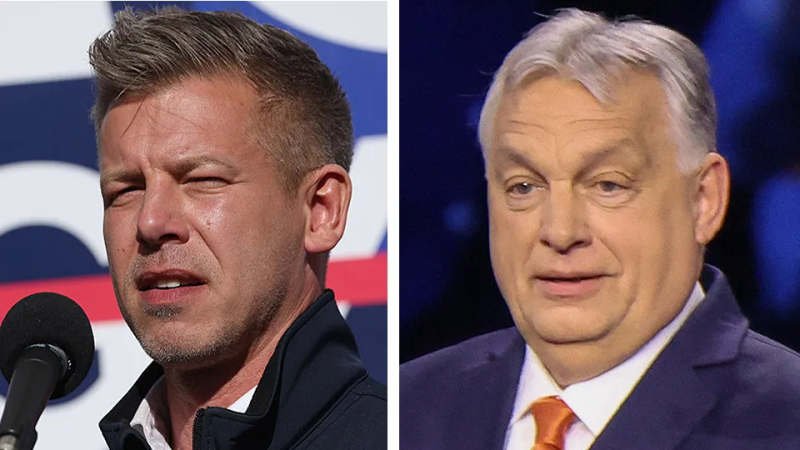
Hungary is entering a new political chapter following a stunning election result that dramatically reshaped the country’s leadership. The centre-right opposition secured a decisive victory, bringing pro-European Union leader Peter Magyar and his party to power in a landslide that ended years of nationalist leadership.
The triumph of the Tisza Party represents one of the most significant political changes in Hungary in recent decades. Celebrations erupted across the capital as thousands of supporters gathered in the streets of Budapest following the announcement of the results.
Beyond domestic politics, the election outcome has major implications for the country’s international relationships, particularly with the European Union and neighboring states affected by geopolitical tensions.
For many Hungarians, the result signals a potential shift toward closer European cooperation and renewed democratic reforms.
A Political Earthquake in Hungary
The election result sent shockwaves through the political landscape in Hungary. After years of leadership under nationalist Prime Minister Viktor Orbán, voters delivered overwhelming support to the opposition.
Magyar’s victory marked the first time in years that a political force outside Orbán’s ruling alliance managed to capture such a dominant mandate.
Supporters of the new government describe the result as a turning point for the country’s democratic institutions and its relationship with Europe.
Shortly after the results were confirmed, Magyar thanked voters publicly and pledged to work toward building a more open and cooperative Hungary.
He emphasized his commitment to strengthening democratic governance, restoring institutional balance, and improving international partnerships.
For many observers, the election represents a decisive rejection of the previous government’s policies and a clear signal that voters are seeking political change.
Celebration in Budapest After the Results
Following the announcement of the election results, celebrations quickly spread across the Hungarian capital.
Crowds filled public squares and streets in Budapest, with supporters of the Tisza party gathering along the banks of the Danube River and in central districts near the Parliament building.
Many people stayed out late into the night celebrating what they described as a historic moment for the country.
Videos and photos of the festivities circulated widely on social media, showing supporters waving Hungarian and European Union flags while chanting slogans calling for unity and reform.
Among the notable moments of the evening was a viral video showing a leading candidate for the country’s health ministry enthusiastically dancing on stage after Magyar delivered his victory speech.
The festive atmosphere reflected the optimism among many voters who believe the election could usher in a new era of political and economic cooperation with Europe.
Financial Markets Respond Positively
Financial markets responded quickly to the election outcome, reflecting investor optimism about Hungary’s future economic direction.
The national currency, the Hungarian Forint, surged significantly against the euro shortly after the results were confirmed. Analysts reported that the currency reached its highest level in more than four years.
At the same time, the Budapest Stock Exchange saw notable gains as investors anticipated improved relations with European institutions and potential economic reforms.
Market analysts suggested that investors expect the new government to take steps that could unlock billions of euros in funding currently frozen by the European Union.
This financial assistance has been withheld in recent years due to concerns about democratic standards and governance under the previous administration.
The expectation that these funds may soon be released contributed to the surge in investor confidence following the election.
The Importance of European Union Relations
One of the most significant issues surrounding the election was Hungary’s relationship with the European Union.
Under Viktor Orbán’s leadership, tensions between Hungary and the EU increased due to disagreements over democratic norms, judicial independence, and media freedom.
These disputes resulted in the suspension of significant EU funding intended for infrastructure development and economic programs.
Magyar and his supporters have pledged to repair these relationships and strengthen Hungary’s position within the European community.
The new government has emphasized that Hungary intends to remain firmly within the European Union while maintaining constructive partnerships with other nations.
Many voters see closer cooperation with EU institutions as critical for economic development, investment, and political stability.
Global Reaction to the Election
The election results attracted attention far beyond Hungary’s borders.
Several European leaders welcomed the outcome, expressing hope that the new government would help improve cooperation within the European Union.
The victory was also warmly received by Volodymyr Zelenskyy, the president of Ukraine, who has been seeking stronger support from European partners in the ongoing conflict with Russia.
Hungary’s previous government had often resisted certain EU initiatives related to financial aid and military support for Ukraine.
Some international observers believe the new leadership could ease these diplomatic tensions.
Meanwhile, officials from Russia stated that they respect the choice made by Hungarian voters and expressed willingness to maintain pragmatic relations with the incoming government.
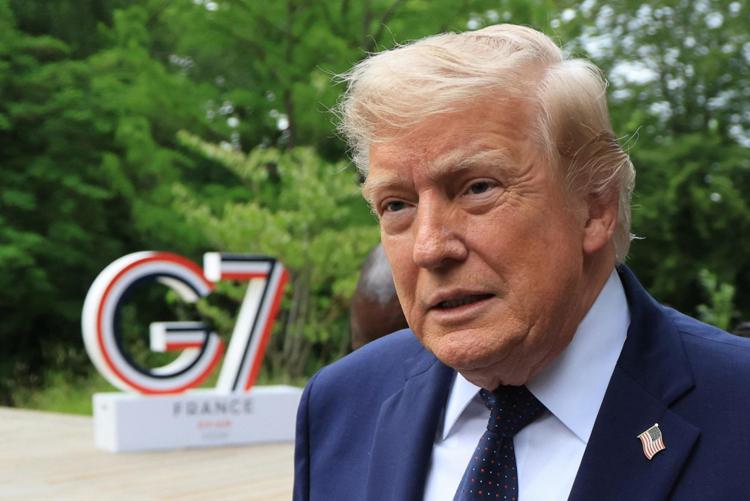
The election also drew attention in the United States, where Hungary’s previous leadership maintained close ties with Donald Trump during his presidency.
A Supermajority That Could Reshape Policy
One of the most striking aspects of the election result was the scale of the victory achieved by the Tisza party.
Magyar’s movement secured a two-thirds supermajority in parliament, giving the new government substantial power to implement legislative reforms.
With such a strong mandate, the administration could pursue major policy changes including:
- Judicial reforms aimed at strengthening rule of law
- Anti-corruption investigations related to past governance
- New economic strategies focused on European integration
- Institutional changes affecting public administration
Supporters of the new government believe this majority provides an opportunity to rebuild democratic institutions and restore trust in government.
However, critics caution that such a large parliamentary majority also carries significant responsibility and must be used carefully to maintain political balance.
What This Means for Hungary’s Future
The election outcome marks a pivotal moment for Hungary’s political and economic trajectory.
For nearly a decade and a half, the country’s political direction was largely shaped by the leadership of Viktor Orbán. Now, with Peter Magyar and the Tisza party taking control, Hungary appears poised for a different approach to governance.
The new government faces several immediate challenges, including stabilizing economic conditions, repairing international relationships, and addressing domestic concerns about corruption and transparency.
At the same time, the overwhelming support from voters provides the administration with a powerful mandate to pursue reforms.
For many citizens, the election symbolizes hope for a more cooperative relationship with Europe and a renewed commitment to democratic values.
A Turning Point in Central European Politics
Hungary’s election result may also influence political dynamics across Central and Eastern Europe.
Neighboring countries are watching closely to see how the new government balances national interests with European cooperation.
If the new leadership successfully improves relations with the European Union while maintaining economic growth, it could serve as a model for political change in the region.
For now, Hungary stands at the beginning of a new political era.
The celebrations that filled the streets of Budapest reflect the sense among many voters that the country has reached a historic turning point — one that could redefine Hungary’s role within Europe for years to come.
About The Author