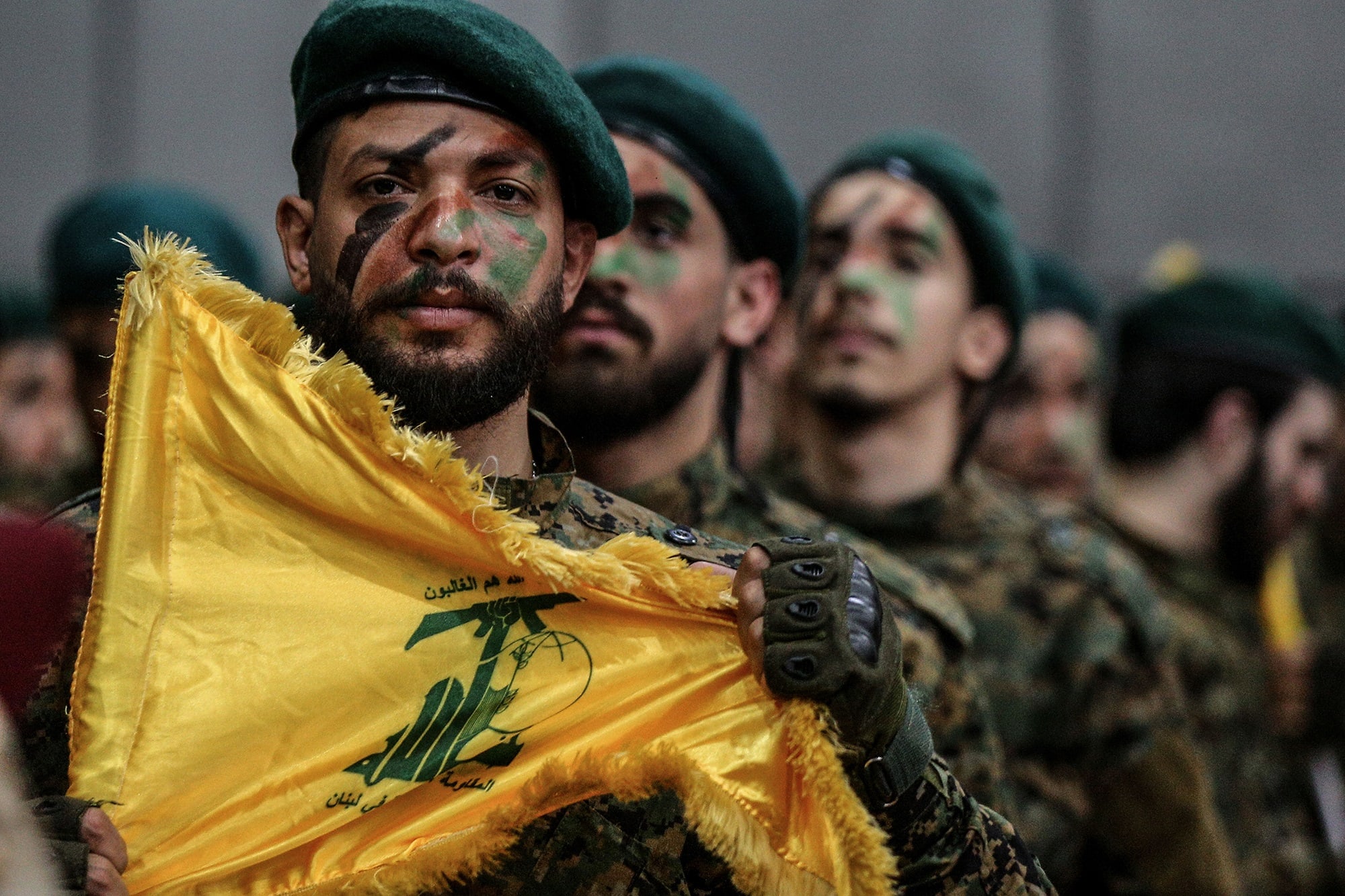
The ongoing conflict between Hezbollah and Israel has entered a new and volatile phase, with significant consequences for Lebanon’s political landscape, regional stability, and the balance of power in the Middle East. Since hostilities escalated earlier this year, Hezbollah has faced mounting military losses, internal pressure, and growing opposition at home.
While the group remains a powerful force, recent developments suggest it is navigating one of the most challenging periods in its history. At the same time, Hezbollah appears to be recalibrating its strategy—aligning more closely with Iran in a broader regional confrontation involving Israel and the United States.
Understanding this complex situation requires examining not only the battlefield dynamics but also the political, social, and strategic calculations shaping Hezbollah’s decisions.
Escalating Conflict and Heavy Losses
Since early March, fighting between Hezbollah and Israel has intensified dramatically, leading to widespread destruction and significant human losses. Israeli military operations in southern Lebanon have resulted in territorial incursions, with forces establishing a buffer zone extending several kilometers into Lebanese territory.
The humanitarian impact has been severe. Hundreds of thousands of civilians—primarily from Lebanon’s Shi’ite population, which forms Hezbollah’s core support base—have been displaced. Entire communities have been forced to flee, seeking refuge in other regions of the country.
Casualty figures remain contested, but various sources indicate that thousands of Hezbollah fighters may have been killed since the conflict escalated. In addition, civilian casualties, including women, children, and medical personnel, have contributed to growing concerns about the humanitarian toll of the war.
Southern Lebanon has witnessed widespread destruction, with villages damaged or demolished during ongoing military operations. In some areas, the scale of devastation has been compared to previous conflicts, reinforcing fears of a prolonged and entrenched confrontation.
Political Backlash Inside Lebanon
Beyond the battlefield, Hezbollah is facing increasing political pressure within Lebanon. The group’s decision to engage in conflict has intensified criticism from domestic opponents who argue that its actions are exposing the country to repeated wars and instability.
Lebanon’s fragile political system—already strained by economic crisis and institutional challenges—has been further complicated by the conflict. Many citizens, particularly outside Hezbollah’s traditional support base, are questioning the group’s role as an armed actor operating alongside the Lebanese state.
Tensions escalated further when the Lebanese government initiated direct talks with Israel for the first time in decades. This move marked a significant shift in policy and was strongly opposed by Hezbollah, which has long rejected any normalization or negotiation with Israel.
The divide between Hezbollah and other political factions highlights a broader national debate over sovereignty, security, and the future direction of Lebanon’s foreign policy.
A Strategic Shift: Aligning With Iran
Despite the setbacks, Hezbollah appears to view the current conflict as an opportunity to reshape its strategic position. According to multiple sources, the group believes that deeper involvement in the broader regional confrontation could strengthen its leverage.
Hezbollah’s ties to Iran are longstanding. The group was established in the early 1980s with support from Iranian forces and has since maintained close political, military, and ideological connections with Tehran.
By aligning itself more closely with Iran’s ongoing tensions with Israel and the United States, Hezbollah aims to ensure that Lebanon becomes part of larger geopolitical negotiations. The expectation is that this could lead to stronger ceasefire agreements or concessions that address Hezbollah’s strategic concerns.
This approach, however, carries significant risks. Expanding the scope of the conflict could deepen Lebanon’s instability and increase the likelihood of prolonged violence.
Continued Hostilities Despite Ceasefire Efforts
Efforts to reduce tensions have produced limited results. A ceasefire brokered with international involvement has led to a temporary reduction in hostilities, but clashes between Hezbollah and Israeli forces have continued.
Israel maintains a military presence in southern Lebanon, citing security concerns and the need to prevent further attacks. Meanwhile, Hezbollah has continued launching rockets and drones, arguing that Israeli operations have not ceased.
This fragile situation reflects a broader pattern of intermittent conflict punctuated by temporary ceasefires. Without a comprehensive political solution, the risk of renewed escalation remains high.
Analysts suggest that the current situation resembles a “hurting stalemate,” where neither side achieves a decisive victory but both continue to incur significant costs.
Human Impact and Community Strain
The human cost of the conflict extends far beyond casualty numbers. Displacement has disrupted lives on a massive scale, with families forced to leave their homes and communities fractured by ongoing violence.
In areas heavily affected by the conflict, burial sites have expanded rapidly, reflecting the scale of losses among fighters and civilians alike. The emotional and psychological toll on communities is profound, particularly among those who have lost family members or been displaced multiple times.
Tensions between different religious and political groups within Lebanon have also intensified. In regions hosting displaced populations, some residents blame Hezbollah for triggering the conflict, further deepening internal divisions.
Regional Dynamics and International Involvement
The conflict is not occurring in isolation. It is closely linked to broader regional tensions involving Iran, Israel, and the United States.
Iran has consistently expressed support for Hezbollah and has called for the situation in Lebanon to be included in wider negotiations related to regional security. At the same time, the United States has reaffirmed Israel’s right to defend itself while urging restraint to avoid further escalation.
Diplomatic efforts are ongoing, with various international actors attempting to mediate between the parties. However, the complexity of the situation—and the number of stakeholders involved—makes reaching a comprehensive agreement challenging.
Some analysts believe that a lasting resolution may depend on broader agreements between major powers, particularly between Washington and Tehran. Without such an agreement, the likelihood of continued instability remains high.
The Debate Over Disarmament and Sovereignty
One of the most contentious issues in Lebanon’s political discourse is the question of Hezbollah’s armed status. Israeli officials have made disarmament a key condition for any long-term peace agreement, while Hezbollah has firmly rejected this demand.
Within Lebanon, opinions are divided. Some political leaders advocate for the peaceful disarmament of non-state armed groups to strengthen national sovereignty. Others warn that attempting to disarm Hezbollah by force could trigger internal conflict, recalling the country’s history of civil war.
The Lebanese government has taken steps to limit Hezbollah’s military activities, but enforcing such measures remains a delicate and potentially destabilizing challenge.
A High-Stakes Gamble With Uncertain Outcomes
Hezbollah’s current strategy reflects a high-stakes gamble. By engaging more deeply in regional conflicts and aligning closely with Iran, the group hopes to secure strategic gains and reinforce its position.
However, the costs are already significant. Military losses, political backlash, economic strain, and humanitarian consequences are placing increasing pressure on both Hezbollah and Lebanon as a whole.
Whether this approach will ultimately strengthen Hezbollah’s position or further weaken its influence remains uncertain. Much will depend on the evolution of regional dynamics, the success of diplomatic efforts, and the resilience of Lebanese institutions.
Conclusion: A Fragile Future for Lebanon and the Region
The ongoing conflict between Hezbollah and Israel underscores the fragility of peace in the Middle East. Lebanon, already facing economic and political challenges, now finds itself at the center of a broader geopolitical struggle.
For Hezbollah, the path forward is complex and uncertain. The group must balance military objectives, domestic pressures, and international dynamics while navigating one of the most difficult periods in its history.
For Lebanon, the stakes are even higher. The country’s stability, sovereignty, and future prosperity depend on finding a path toward lasting peace—an outcome that remains elusive in the current environment.
As tensions continue, the region watches closely, aware that the consequences of this conflict could extend far beyond Lebanon’s borders.
About The Author