Rising Tensions Between the United States and Cuba
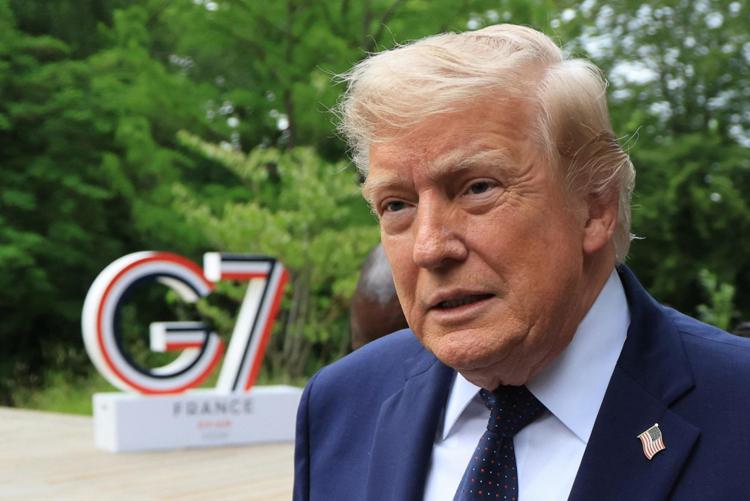
Relations between the United States and Cuba have entered a new phase of volatility following striking remarks from U.S. President Donald Trump. His recent statements have sparked global attention, as he suggested that the United States could exert broad control over the island nation, even claiming he could act freely in shaping its future.
These comments come at a particularly fragile moment for Cuba. The country is grappling with one of the most severe economic and energy crises in its modern history. At the same time, diplomatic discussions between Washington and Havana have resumed, creating a complex dynamic where negotiation and confrontation are unfolding simultaneously.
Trump’s rhetoric represents a significant escalation in tone. While previous U.S. administrations have often criticized Cuba’s political system, such direct language about potential control or intervention marks a notable shift in messaging.
Cuba’s Deepening Energy and Economic Crisis
At the center of the current situation is Cuba’s worsening energy crisis. The island has been struggling with fuel shortages, outdated infrastructure, and limited access to foreign resources. These challenges have intensified dramatically due to recent geopolitical developments.
A key factor is the disruption of oil supplies. Venezuela, historically one of Cuba’s primary energy partners, has been unable to provide shipments following major political changes influenced by U.S. actions. As a result, Cuba has reportedly gone months without significant oil imports, severely impacting electricity production and industrial activity.
The consequences have been severe. The country recently experienced a nationwide collapse of its electrical grid, leaving millions without power. Essential services have been disrupted, businesses have shut down, and daily life has become increasingly difficult for ordinary citizens.
Extended blackouts, fuel rationing, and supply shortages have pushed the Cuban economy toward a standstill. In many areas, people are facing prolonged outages lasting hours or even days. Food preservation, healthcare operations, and transportation systems have all been affected, creating a humanitarian strain alongside the economic crisis.
Trump’s Strategic Pressure and Political Objectives
The United States has significantly increased pressure on Cuba through economic and political measures. One of the most impactful actions has been the restriction of oil shipments, which has directly contributed to the island’s energy shortages.
In addition to economic pressure, reports suggest that the U.S. may be pursuing political changes within Cuba. According to sources familiar with ongoing discussions, Washington has signaled that a leadership transition could be a central objective in negotiations with Cuban officials.
Cuba’s current president, Miguel Díaz-Canel, has publicly emphasized that any talks must respect national sovereignty and avoid foreign interference. This stance reflects a long-standing principle of Cuban policy, which has historically rejected external influence in domestic affairs.
Despite this, the U.S. approach appears to combine diplomatic engagement with strategic leverage. By maintaining pressure while keeping communication channels open, Washington may be attempting to reshape Cuba’s political and economic landscape without direct military involvement.
Diplomatic Talks Amid Confrontation
Interestingly, the heightened rhetoric has not halted diplomatic efforts. Both countries have acknowledged ongoing discussions aimed at addressing longstanding disputes and potentially easing tensions.
These talks are significant, given the history of strained relations between the two nations. Since the Cuban Revolution in the late 1950s, interactions have been marked by ideological differences, economic sanctions, and periods of limited engagement.
The current negotiations are taking place under challenging circumstances. On one hand, Cuba is seeking relief from economic pressure and energy shortages. On the other hand, the United States appears to be leveraging this vulnerability to push for broader changes.
This dual-track approach—negotiation combined with pressure—creates uncertainty about the outcome. While dialogue suggests a willingness to find common ground, the underlying conditions make compromise difficult.
Historical Context and Legal Questions
The situation also raises important historical and legal considerations. The United States has long opposed Cuba’s political system, but it has also adhered to certain constraints established during the Cold War.
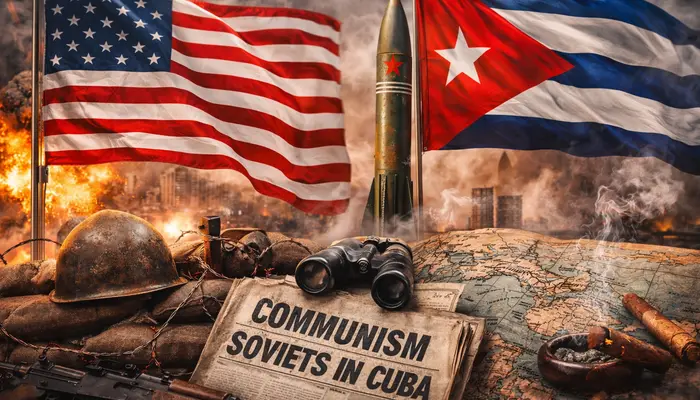
One of the most notable agreements dates back to the Cuban Missile Crisis of 1962. As part of the resolution, the United States pledged not to invade Cuba. This commitment has shaped U.S. policy for decades, limiting the scope of direct military action.
Today, Trump’s remarks have prompted questions about how any potential intervention would be justified under international law. So far, no clear legal framework has been presented to support such actions.
This ambiguity adds another layer of complexity to the situation. While strong rhetoric can signal intent, actual policy decisions must navigate legal, diplomatic, and geopolitical constraints.
Regional and Global Implications
The developments in U.S.-Cuba relations are not occurring in isolation. They are part of a broader geopolitical landscape that includes tensions in other regions, shifting alliances, and evolving economic conditions.
Recent U.S. actions in countries like Venezuela and Iran have contributed to a perception of a more assertive foreign policy approach. Trump himself has suggested that Cuba could be a future focus following other international engagements.
For Latin America, the situation carries significant implications. Changes in Cuba’s political or economic system could influence regional dynamics, trade relationships, and migration patterns.
Globally, the situation is being closely monitored. Any escalation—whether diplomatic, economic, or military—could have ripple effects across international markets and political alliances.
Uncertain Future for Cuba and U.S. Relations
As events continue to unfold, the future of U.S.-Cuba relations remains uncertain. The combination of economic crisis, political pressure, and diplomatic engagement creates a highly fluid situation.
For Cuba, the immediate priority is addressing its energy and economic challenges. Restoring stability will require access to resources, infrastructure improvements, and potential policy adjustments.
For the United States, the situation presents both opportunities and risks. While increased influence in Cuba could align with strategic objectives, it also carries the potential for international backlash and long-term consequences.
Ultimately, the outcome will depend on how both sides navigate the balance between confrontation and cooperation. Whether the current tensions lead to meaningful change or further conflict remains to be seen.
About The Author