Diplomatic negotiations between the United States and Iran over Tehran’s nuclear program concluded in Geneva without a formal agreement, yet mediators signaled meaningful progress. While no breakthrough was announced, both sides agreed to continue discussions, offering a narrow but significant window to avoid further military escalation in the Middle East.
The talks come at a precarious moment. A substantial U.S. military buildup in waters near Iran has heightened fears of potential airstrikes, and political rhetoric has intensified on both sides. Observers increasingly view the current round of diplomacy as a last opportunity to prevent a broader regional conflict.
Geneva Talks End Without Breakthrough
Negotiations took place in Geneva under Omani mediation, with Abbas Araqchi representing Tehran and U.S. envoys including Steve Witkoff and Jared Kushner participating on behalf of Washington. Omani Foreign Minister Sayyid Badr Albusaidi described the discussions as constructive and noted “significant progress,” though he stopped short of declaring a deal.
The indirect negotiations, conducted in two sessions over the course of a day, addressed core disputes surrounding Iran’s nuclear activities, uranium enrichment levels, sanctions relief, and broader security concerns.
Following the meetings, Albusaidi confirmed that technical-level talks are scheduled to take place next week in Vienna, with another high-level round expected soon after consultations in both capitals. His diplomatic optimism contrasted with the absence of a formal agreement, underscoring the complexity of the issues involved.
Core Disputes: Enrichment, Sanctions, and Missiles
At the center of the dispute is uranium enrichment. The United States maintains that Iran must halt or significantly curtail enrichment activities to eliminate any pathway to nuclear weapons capability. Iran insists that its nuclear program is peaceful and asserts its sovereign right to enrich uranium for civilian energy purposes.
Washington has long argued that enrichment technology, while used for nuclear power generation, can also produce weapons-grade material. Tehran has consistently denied seeking nuclear weapons and points to a religious decree banning weapons of mass destruction.
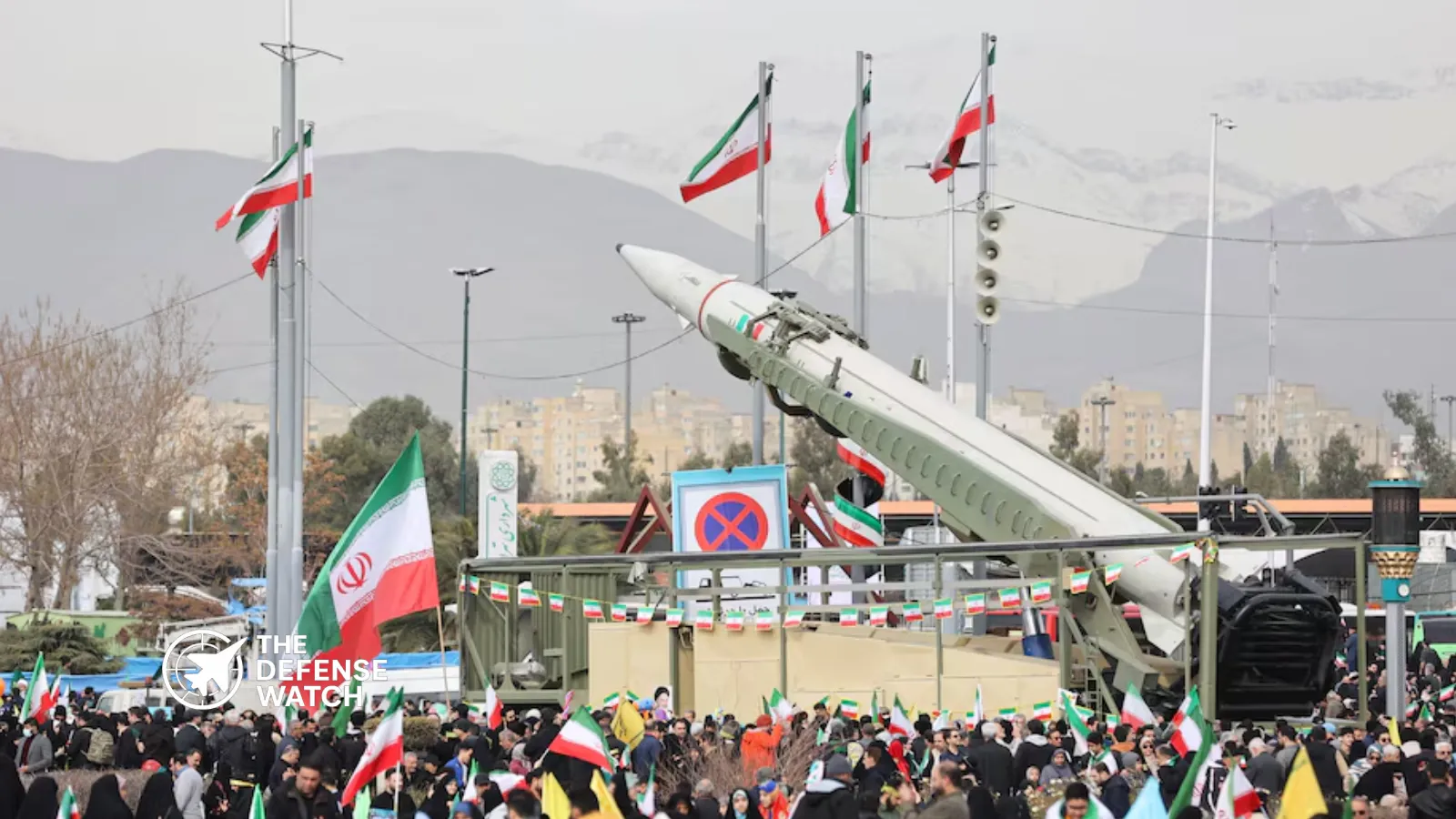
In addition to enrichment limits, the United States wants negotiations to address Iran’s ballistic missile program and its regional alliances with armed groups. U.S. Secretary of State Marco Rubio recently characterized Iran’s refusal to discuss missile development as a significant obstacle.
Iranian officials, however, have indicated that separating nuclear and non-nuclear issues could accelerate progress. Tehran has signaled potential flexibility in exchange for sanctions relief and international recognition of its enrichment rights.
Sanctions remain a fundamental sticking point. Iranian negotiators have reiterated that lifting U.S. economic restrictions is essential for any comprehensive deal. The U.S. position has been that sanctions relief would follow only after verifiable nuclear concessions.
Military Buildup Raises Stakes
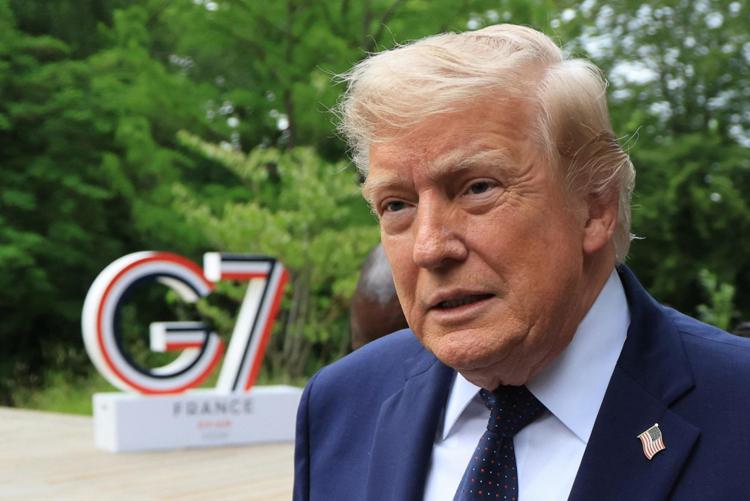
Diplomacy is unfolding against a backdrop of rising military tension. The United States has deployed additional fighter jets and aircraft carrier strike groups to the region. President Donald Trump has publicly warned that failure to reach an agreement could result in “really bad things,” reinforcing the perception that military options remain under consideration.
In June, U.S. forces joined Israeli strikes on Iranian nuclear sites, significantly escalating tensions. Iran responded with missile attacks targeting Israel, demonstrating its willingness to retaliate if provoked again. The risk of miscalculation remains high, particularly given the strategic sensitivity of the Persian Gulf and its importance to global energy markets.
Regional actors, including Gulf oil producers, are closely monitoring developments. A broader conflict could disrupt oil shipments through key maritime chokepoints, triggering global economic consequences.
Diplomatic Mediation and International Concerns
Oman has played a critical intermediary role between Washington and Tehran for years, facilitating indirect communication during periods of heightened hostility. Albusaidi’s involvement underscores Muscat’s position as a trusted regional mediator.
Meanwhile, international observers see the talks as a pivotal moment. With geopolitical tensions already elevated across the Middle East, failure to secure diplomatic progress could destabilize an already fragile environment.
Inside Iran, the political landscape is also under strain. Supreme Leader Ali Khamenei faces mounting economic pressure as sanctions weigh heavily on the national economy. Domestic unrest and protest movements have compounded internal challenges.
Iranian President Masoud Pezeshkian reiterated that Iran does not seek nuclear weapons, citing longstanding religious prohibitions. Nonetheless, economic hardship caused by tightened sanctions has intensified demands for relief.
A Narrow Path to De-escalation
Despite the absence of a finalized agreement, both sides appear to acknowledge the gravity of the moment. Iranian Foreign Minister Araqchi described the discussions as among the most serious engagements with Washington in recent years. U.S. officials, according to reports, characterized the talks as positive, though no official statement was immediately released.
The next phase—technical negotiations in Vienna—will likely focus on verification mechanisms, enrichment caps, inspection regimes, and a structured sanctions rollback timeline. Achieving consensus on these technical details will be essential for transforming diplomatic momentum into a binding framework.
However, several challenges persist:
- Deep mistrust built over decades of hostility
- Disagreement over the scope of negotiations
- Domestic political pressures in both countries
- Regional security concerns involving Israel and Gulf states
The Trump administration has indicated a preference for diplomacy but has maintained that it will not allow Iran to acquire nuclear weapons capability. That dual-track approach—engagement backed by military deterrence—defines the current strategic posture.
Regional and Global Implications
The outcome of these negotiations carries implications far beyond U.S.–Iran relations. A renewed nuclear agreement could stabilize energy markets, reduce regional tensions, and open limited pathways for economic normalization. Conversely, diplomatic failure could heighten the probability of direct military confrontation.
Such a conflict would not remain localized. Escalation could involve allied militias, cross-border missile exchanges, cyber operations, and maritime disruptions. The Middle East’s strategic centrality to global energy supply chains means that instability could reverberate through international markets.
Investors and policymakers worldwide are closely tracking developments. Financial markets historically react sharply to geopolitical risk in the Gulf region, particularly when oil production or transport routes appear vulnerable.
Conclusion: Progress Without Resolution
The Geneva talks between the United States and Iran ended without a definitive agreement, yet signs of incremental progress offer cautious optimism. Both parties have committed to further negotiations, signaling that diplomacy remains viable.
However, the window for de-escalation may be narrowing. With military assets positioned in close proximity and political rhetoric intensifying, the stakes could not be higher. The upcoming technical discussions in Vienna will serve as a critical test of whether progress can be converted into a structured agreement—or whether tensions will continue to rise.
For now, the region remains on edge, balanced between diplomatic opportunity and the specter of renewed confrontation.
About The Author