Tariffs and Their Impact on Your Wallet
In recent months, the U.S. has seen growing attention on tariffs as trade tensions and policy changes dominate economic headlines. Tariffs — taxes imposed on imported goods — can raise the cost of everyday items for consumers, from electronics and clothing to household staples.
The Trump administration’s evolving trade policies have kept Americans on edge, with the average tariff on Chinese goods reportedly hovering near 55%, and “reciprocal” tariffs now affecting dozens of other trade partners. While a temporary tariff truce with China has been extended for 90 days, trade negotiations continue to create uncertainty for consumers.
Households may feel the pinch as businesses often pass higher import costs to buyers, increasing the overall cost of living. According to estimates from the Center for American Progress, the average U.S. household could spend an additional $4,600 per year due to tariffs, while Yale’s Budget Lab places the figure at $4,700 annually.
Fortunately, there are steps you can take to protect your finances and minimize the impact of tariffs on your budget.
What Are Tariffs and Why They Matter
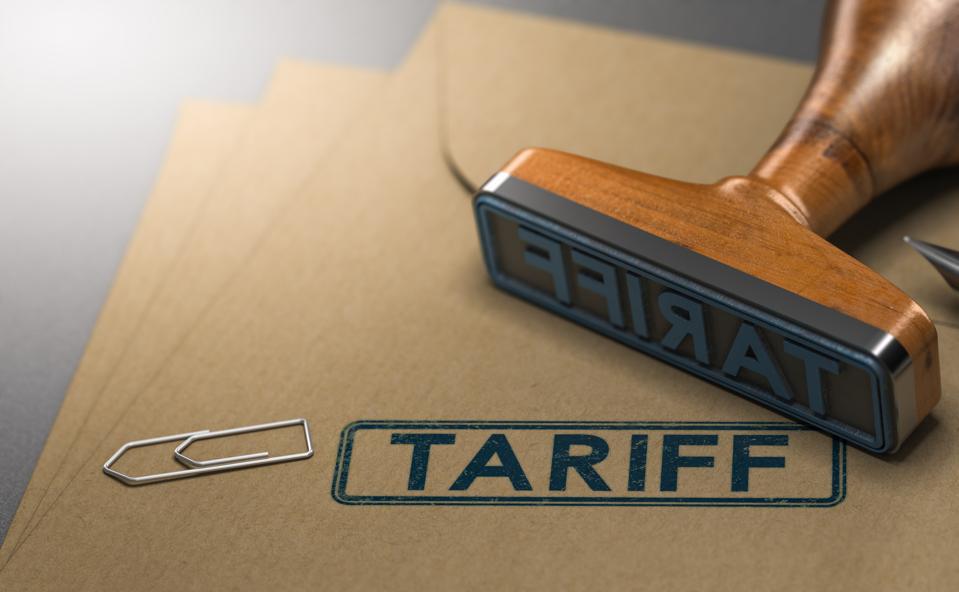
A tariff is a tax placed on goods imported from other countries. Typically calculated as a percentage of the product’s value, tariffs are paid by importers when products enter the U.S. economy.
The effect of tariffs is often indirect: businesses absorb some costs, but much of the burden is passed on to consumers in the form of higher retail prices. Tariffs on frequently purchased items, such as electronics, toys, and clothing, can significantly impact household budgets, particularly when combined with other inflationary pressures.
Understanding tariffs and their influence on prices is the first step in taking control of your finances amid trade uncertainty.
5 Ways to Tariff-Proof Your Finances
1. Prioritize Savings and Build an Emergency Fund
Rising costs make saving more challenging — but also more essential. Creating a financial safety net can protect you from sudden price spikes in essentials like groceries, gas, and utilities.
Experts recommend saving at least six months of living expenses in an accessible account. This cushion helps cover unexpected bills and avoids relying on high-interest debt during periods of economic uncertainty. Even small, consistent contributions to your savings can compound into a robust emergency fund over time.
As Matt Schulz, Chief Consumer Finance Analyst at LendingTree, notes:
“Keep building that emergency fund. It’s your best defense against unexpected expenses when tariffs or inflation drive up prices.”
2. Reduce Nonessential Spending
Now is the time to evaluate your budget and cut back on discretionary expenses. Freezing unused memberships, downgrading subscriptions, and taking part in no-spend challenges are practical ways to free up cash for essentials.
Reducing discretionary spending temporarily allows you to focus on critical areas:
- Paying bills
- Building savings
- Managing debt
Every dollar saved can help offset rising prices caused by tariffs and provide a buffer against economic volatility.
3. Reassess Debt Repayment Strategies
High-interest debt can strain your budget, especially when prices rise due to tariffs. However, aggressively paying down debt may not always be the most effective strategy if it limits your cash flow for essential expenses.
Consider alternative approaches:
- Use a 0% balance transfer credit card to consolidate high-interest debt.
- Take a low-interest personal loan to pay off multiple balances, reducing interest costs.
- Focus on maintaining flexibility, ensuring enough cash is available for necessities.
Schulz emphasizes:
“Money used to aggressively pay debt is money that can’t go toward food, savings, or offsetting higher prices. Strategic debt management can help maintain financial stability during uncertain times.”
4. Shop Smarter and Anticipate Price Increases
With tariffs driving up prices, intentional purchasing becomes more important. Consider these strategies:
- Stock up on nonperishables before prices rise further.
- Join warehouse clubs (e.g., Costco, Sam’s Club) to save on frequently used items.
- Avoid highly tariffed goods, such as electronics, toys, and imported clothing.
- Leverage cashback apps like Rakuten, Honey, or Ibotta to earn money on essential purchases.
Smart shopping not only mitigates the immediate impact of tariffs but can help stretch your budget further in the long run.
5. Consult a Financial Professional
If navigating tariffs and budgeting feels overwhelming, a financial planner can provide personalized guidance. Professionals help you:
- Optimize debt repayment strategies
- Develop a targeted savings plan
- Create a budget aligned with both short-term and long-term goals
- Improve investment returns while accounting for inflation and tariffs
Schulz highlights:
“Regardless of tariffs, your financial goals remain. Retirement, education, and homeownership priorities shouldn’t be compromised by uncertainty.”
A financial advisor can help ensure that rising tariffs don’t derail your broader financial objectives.
Conclusion: Staying Prepared Amid Trade Uncertainty
While tariffs can increase the cost of living and create uncertainty for households, proactive planning can protect your finances. By prioritizing savings, adjusting spending, managing debt, shopping wisely, and seeking professional advice, you can reduce the impact of tariffs on your budget.
Economic uncertainty doesn’t have to translate into financial instability. Strategic choices and forward planning can keep you in control, even when import costs rise.
Bottom line: Tariff-proofing your finances requires vigilance, flexibility, and smart decision-making — tools that will serve you well, regardless of the trade environment.
About The Author