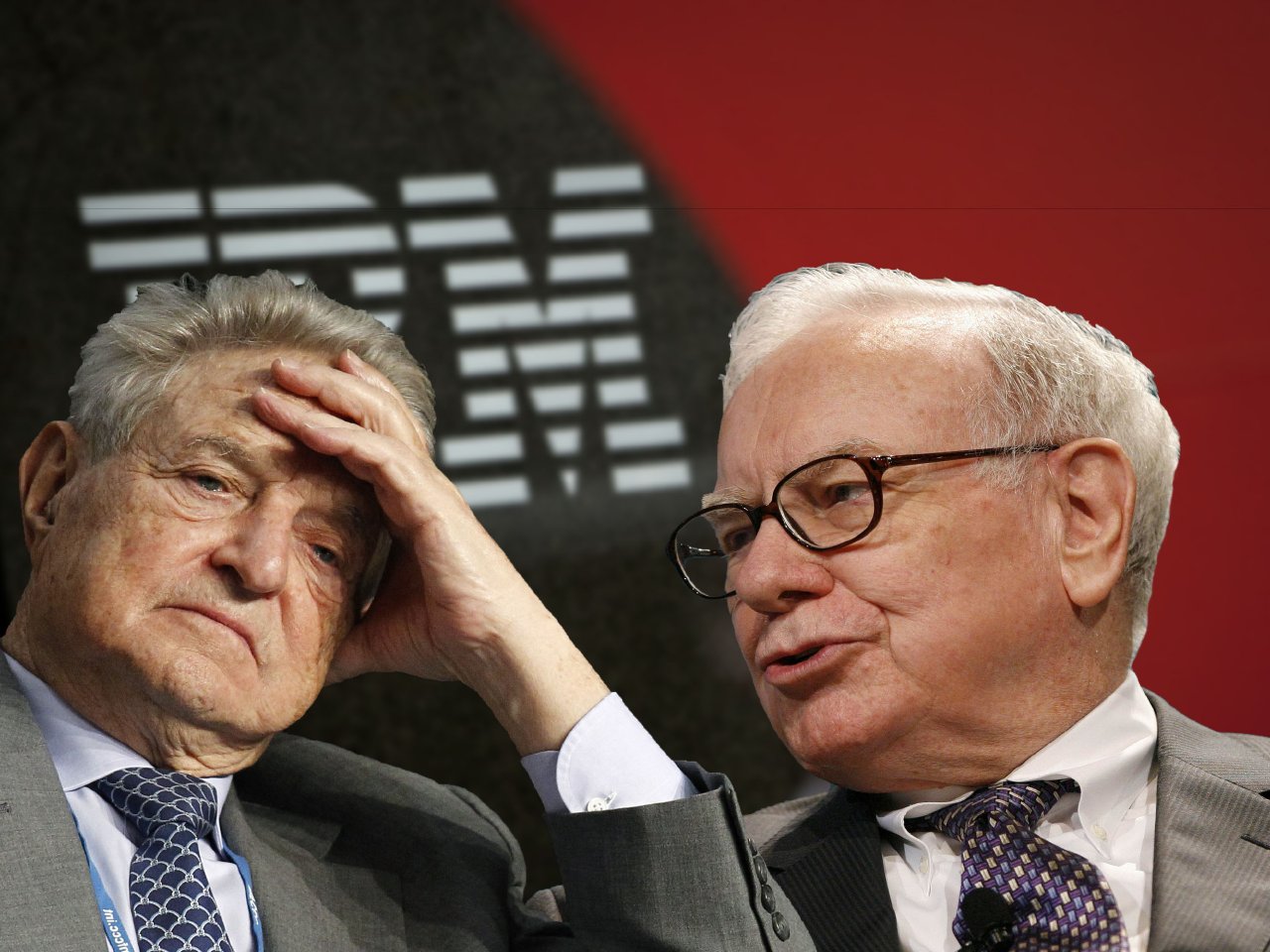
Warren Buffett and George Soros are two of the most celebrated figures in investing history. While both have amassed billions and influenced generations of investors, their paths and philosophies could not be more different. Understanding their strategies provides valuable lessons for today’s investors navigating financial markets.
Warren Buffett: Master of Value Investing
Buffett began investing at age 11, but his philosophy was shaped during his studies at Columbia University under Benjamin Graham, the father of value investing. Graham’s principles emphasized buying securities below their intrinsic value, providing a “margin of safety” against market fluctuations.
Buffett launched his first investment partnership, Buffett Partnership, Ltd., in 1956 with $105,100. By 1969, the fund had grown to more than $105 million. He then acquired Berkshire Hathaway, which has become a holding company for multiple businesses and is now valued at over $760 billion, with shares priced at more than $516,000 each.
Buffett’s approach focuses on:
- Identifying undervalued companies with strong fundamentals
- Exploiting price imbalances over long-term horizons
- Maintaining discipline in volatile markets, famously advising to “be fearful when others are greedy, and greedy when others are fearful”
This patient, fundamentals-driven philosophy has made Buffett a symbol of stability and long-term wealth creation.
George Soros: The Speculative Strategist
In contrast, George Soros built his reputation on aggressive, short-term speculation. Born in 1930 in Budapest, he survived Nazi-occupied Hungary and later studied at the London School of Economics. After working for several merchant banks, Soros founded his first hedge fund, Double Eagle, in 1969, followed by the Quantum Fund in 1970, which delivered an average annual return of roughly 20% until 2011.
Unlike Buffett, Soros does not focus on a company’s intrinsic value. Instead, he capitalizes on market volatility, currency fluctuations, and leveraged transactions. His most famous trade came in 1992 when he bet against the British pound, earning over $1 billion in a single day and earning the nickname “The Man Who Broke the Bank of England.”
Soros continues to manage Soros Fund Management, holding stakes in companies like Rivian Automotive, Liberty Broadband, and D.R. Horton. His strategies are highly opportunistic, requiring careful timing and a willingness to take substantial risks.
Wealth and Philanthropy
Both investors are also known for their philanthropy. Buffett has pledged to give away 99% of his fortune, while Soros has donated over $32 billion to charitable causes worldwide.
In terms of net worth, Buffett significantly surpasses Soros, with approximately $124 billion, compared to Soros’s $8.6 billion (as of April 2022).
Key Differences at a Glance
| Feature | Warren Buffett | George Soros |
|---|---|---|
| Investment Philosophy | Value investing, long-term | Speculative, short-term |
| Focus | Company fundamentals | Market trends, leverage, volatility |
| Notable Achievement | Building Berkshire Hathaway | $1B profit betting against British pound |
| Philanthropy | Pledged 99% of wealth | Donated $32B+ |
The Bottom Line
Buffett and Soros demonstrate that extraordinary success in investing can be achieved through vastly different approaches. Buffett exemplifies patient, research-driven investing, while Soros shows the potential of bold, speculative moves. Both have left a lasting impact on the financial world, teaching investors that whether you value stability or embrace risk, strategy matters.
About The Author