A Trail of Stolen Jewels Leads to Antwerp
In the chaotic hours following the daring Louvre jewel heist, Belgian police received an urgent alert from French authorities. The message, sent through “Pink Diamond” — Europol’s secure network for high-value theft investigations — warned officers to monitor Antwerp closely for anyone attempting to sell the missing jewels.
Antwerp, Belgium’s historic diamond hub, has been at the heart of global gemstone trading since the 16th century. In 2024 alone, its traders handled nearly $25 billion worth of precious stones. Yet beneath the city’s glittering surface, authorities say an illicit underworld thrives — one that could hold clues to the Louvre’s missing $102 million treasure.
Antwerp’s Hidden Jewellery Network
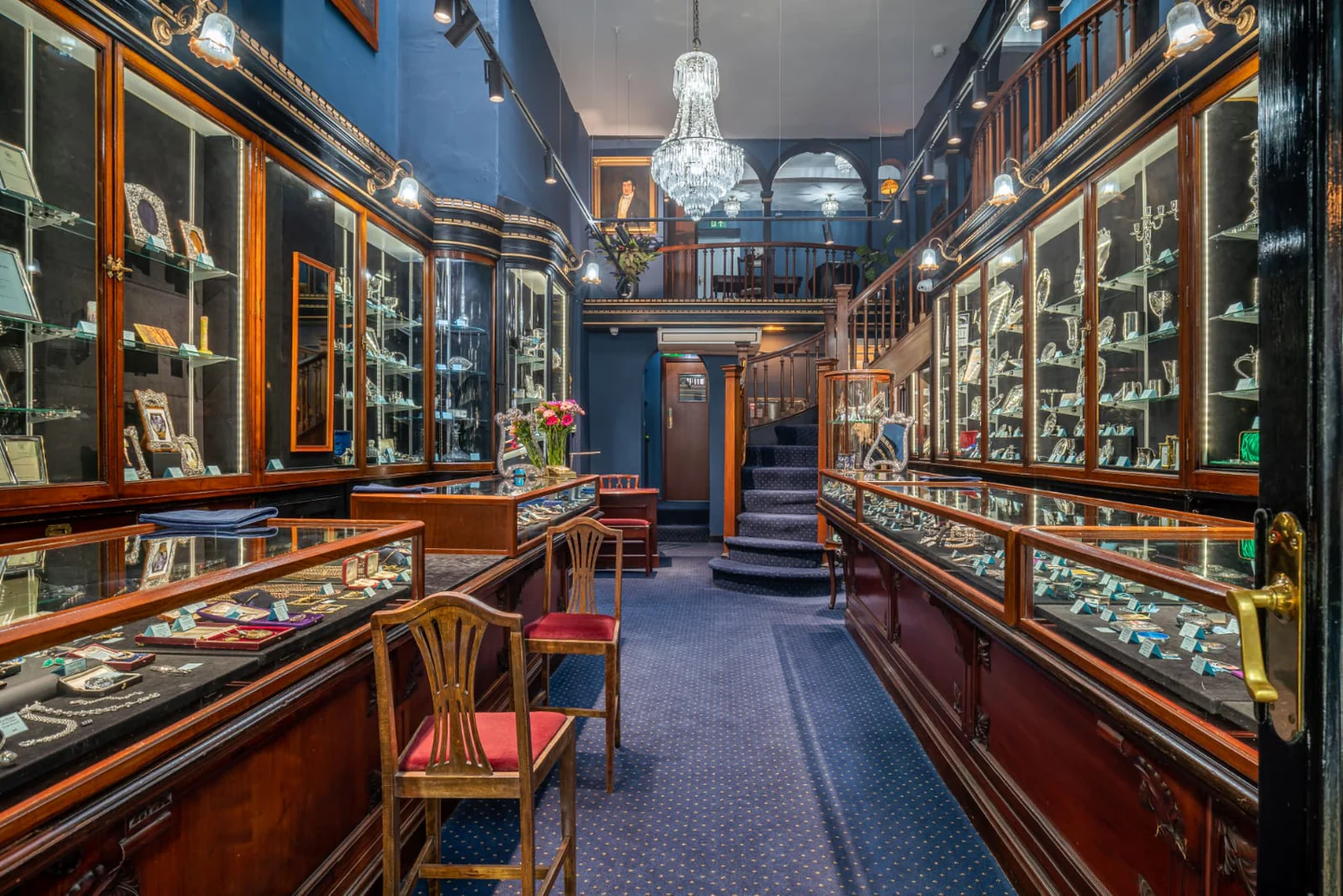
Over the past three decades, Antwerp has become home to a vibrant community of Georgian jewellers, many with deep roots in metals and diamond trading. According to Belgian law enforcement, around 300 jewellery shops operate just outside the city’s official diamond district — and up to a quarter may be linked to the resale of stolen goods, a criminal practice known as “fencing.”
Most jewellers run legitimate businesses. But police say some offer an easy escape route for stolen gold, diamonds, and luxury watches across Europe. “From the moment we got the alert, we knew we had to move fast,” one Antwerp officer told Reuters. Police scoured surveillance footage, tapped informants, and even warned certain jewellers not to touch the famous loot.
The Fine Line Between Trade and Crime
The Antwerp World Diamond Centre admits that the city’s global reputation has occasionally been put at risk by “questionable money laundering practices.” Despite strong compliance regulations and frequent inspections, a shadow economy persists — one that thrives off France’s organized theft networks.
Past cases support this uneasy link. After the 2016 Paris robbery of reality star Kim Kardashian, the gold and gems stolen from her hotel suite were reportedly melted down and sold in Antwerp for €25,000. Police suspect Georgian traders were involved, but no one was ever charged.
A Cross-Border Criminal Corridor
Over the years, French and Belgian investigators have exposed a criminal corridor stretching from Paris to Antwerp. Balkan burglars often hand off stolen goods to couriers who deliver them to Georgian buyers in Belgium. French intelligence officer Yakout Boudali confirmed that several investigations traced stolen jewels back to Georgian nationals in Antwerp — though she cautioned against stigmatizing any community or city.
However, she noted that “Romanian-based groups are now increasingly active,” showing how the trade in stolen gems is constantly shifting.
Drugs, Diamonds, and Dirty Money
Antwerp’s battle isn’t limited to jewellery. The city is also a frontline in Europe’s cocaine trade, with criminal organizations using its massive port to smuggle tons of drugs each year. A recent open letter by a Belgian judge warned that the nation risks “becoming a narco-state.”
In 2021, Antwerp established a specialized police unit to oversee both the diamond and jewellery sectors. Their report found a “strong link between fraudulent jewellers and the criminal drug environment,” with millions in illicit proceeds being laundered through gold and gem sales.
The Culture of Silence and Surveillance
Breaking into Antwerp’s tight-knit jewellery community is no easy feat. Many jewellers and diamond dealers — both Georgian and Indian — have long resisted police oversight, citing discrimination and overreach. A 2017 city decree requiring facial recognition cameras in jewellery shops was eventually withdrawn after community backlash and privacy concerns.
Attorney Kris Luyckx, who represented over 100 jewellers, said: “It was like profiling an area as a criminal ghetto.” The measure was repealed in 2020 after Belgium’s state auditor deemed it excessive.
Too Hot to Handle: The Fate of the Louvre Jewels
Despite Antwerp’s reputation as a haven for stolen treasure, even local fences may avoid the Louvre loot. The stolen gems, mostly set in silver, hold little melt value, and their enormous sapphires and diamonds are far too recognizable. “It’s not easy money,” one police officer said. “Everyone knows what these stones look like.”
The search for the Louvre’s missing jewels continues — and with it, the deeper investigation into Antwerp’s glittering yet shadowy jewellery underworld.
📌 Key Takeaway:
Antwerp remains both the crown jewel of Europe’s diamond trade and a magnet for criminal intrigue. The intersection of legitimate commerce, organized crime, and international smuggling keeps the city’s sparkle alive — but for some, it shines a little too darkly.
About The Author