Oil Prices Spike as War Risk Premium Returns
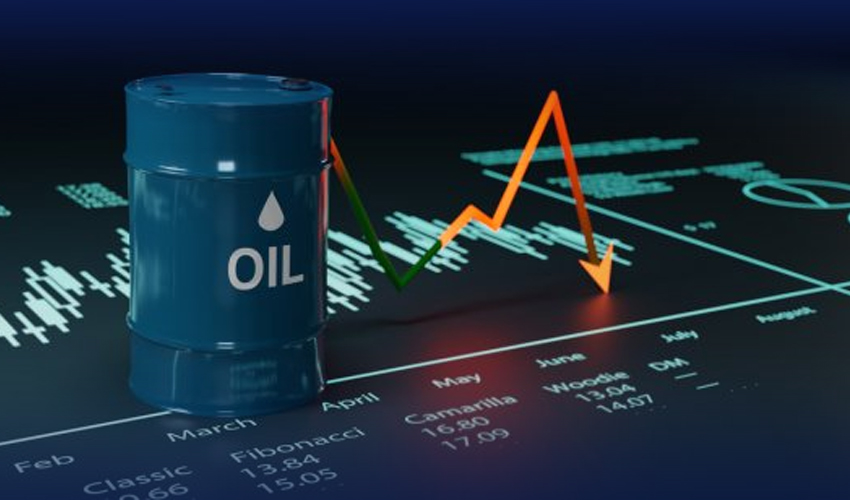
Global financial markets were jolted after escalating conflict in the Middle East triggered a sharp surge in energy prices. Brent crude climbed more than 8%, briefly topping $82 per barrel before stabilizing near $78. U.S. crude futures followed a similar trajectory, advancing over 7%.
The primary driver behind the rally is mounting concern over energy supply disruptions. As military strikes expand across the region, traders have reintroduced a substantial geopolitical risk premium into oil pricing.
Although OPEC+ recently approved a modest output increase of 206,000 barrels per day, the additional supply offers limited reassurance. The issue confronting markets is not simply production volume — it is transportation security.
Nearly one-fifth of global seaborne oil trade and approximately 20% of liquefied natural gas shipments pass through the Strait of Hormuz. While the waterway remains technically open, marine tracking data indicates that tankers are accumulating on both sides of the passage, reflecting heightened security risks and insurance challenges.
When oil cannot move freely, incremental production increases become secondary. Markets are therefore focusing less on supply announcements and more on the duration of disruption.
Strait of Hormuz: The Strategic Bottleneck
The Strait of Hormuz represents one of the most critical maritime chokepoints in the global energy system. Even without a formal blockade, risk perception alone can significantly restrict flows.
Shipping insurers often raise premiums sharply in conflict zones. In extreme cases, coverage becomes unavailable. Without insurance, tanker operators are unwilling to transit contested waters. The result is a supply bottleneck even when infrastructure remains intact.
Compounding the uncertainty, energy facilities across the Middle East have been forced to shut down temporarily. Saudi Arabia reportedly halted operations at its largest domestic refinery following a drone strike. Such developments amplify concerns that disruptions could persist beyond maritime congestion.
The key variable for investors remains duration. Short-lived military exchanges typically produce temporary price spikes. Prolonged conflict, however, threatens structural damage to supply chains and longer-term inflationary pressure.
Equity Markets Retreat as Risk Appetite Fades
Global equity markets reacted swiftly to the energy shock. European stocks fell more than 1%, mirroring similar declines across Asian markets. U.S. S&P 500 futures dropped around 1%, indicating a weaker Wall Street open.
Financial institutions led the declines. European banking stocks slid approximately 3%, reflecting concerns that rising oil prices could dampen economic growth and increase credit risk. Travel and leisure companies also underperformed, as higher fuel costs and geopolitical instability reduce consumer confidence.
Technology shares — often viewed as higher-risk assets — also faced selling pressure as investors shifted toward defensive positioning.
Energy stocks were a notable exception. Shares in oil and gas companies surged, benefiting directly from higher crude prices. European energy indices reached record highs during the session. Defense stocks also attracted buying interest amid expectations of increased military spending.
Meanwhile, stock exchanges in parts of the Middle East temporarily suspended trading under exceptional circumstances, underscoring the severity of regional instability.
The U.S. Dollar Reasserts Safe-Haven Status
In currency markets, the U.S. dollar staged a powerful comeback. It strengthened not only against risk-sensitive currencies but also against traditional safe-haven currencies such as the Japanese yen and Swiss franc.
The euro and British pound both declined roughly 0.7% against the dollar. Meanwhile, the dollar gained about 0.5% versus the yen and advanced against the Swiss franc.
The renewed strength of the dollar signals a restoration of its traditional safe-haven role. Over the past year, erratic U.S. policymaking and trade tensions had weakened the currency’s defensive appeal. However, geopolitical instability tends to drive capital toward deep and liquid markets — and U.S. assets remain the world’s largest reservoir of liquidity.
Energy dynamics further support the dollar. The United States is a net energy exporter, whereas Europe and Japan rely heavily on imported oil and natural gas. Rising energy prices therefore weigh more heavily on trade balances in those regions, reinforcing dollar demand.
The euro also weakened significantly against the Swiss franc, reaching levels not seen in nearly a decade. This prompted cautionary remarks from the Swiss National Bank regarding potential currency intervention to prevent excessive franc appreciation.
Gold and Bonds Reflect Inflation Tension
Safe-haven gold prices rose more than 2%, reflecting investor demand for inflation hedges and geopolitical protection.
Government bond markets, however, exhibited mixed signals. Initially, U.S. Treasury yields fell as investors sought safety. The benchmark 10-year yield dropped to its lowest level in nearly 11 months before rebounding slightly.
This reversal highlights competing forces:
- Safe-haven buying pushes yields down.
- Inflation concerns push yields up.
Higher oil prices increase production and transportation costs across the global economy. If sustained, these costs risk reigniting inflation just as many central banks had begun to signal easing cycles.
Two-year Treasury yields — which are more sensitive to monetary policy expectations — rose modestly, suggesting investors are reassessing the likelihood and timing of interest rate cuts.
Markets currently imply a moderate probability of a Federal Reserve rate cut by midyear, though persistent energy inflation could complicate that outlook.
Inflation Risk and Economic Growth Concerns
A prolonged spike in oil prices acts as a tax on both consumers and businesses. Transportation costs rise, manufacturing expenses increase, and disposable income declines.
If energy prices remain elevated for weeks — particularly if military operations extend for a month or longer — inflationary pressures could intensify globally.
This presents policymakers with a dilemma. Central banks must balance growth risks against price stability. Cutting rates into rising energy inflation may undermine credibility. Maintaining tighter policy could slow economic recovery.
Financial markets are therefore navigating a complex macroeconomic environment shaped by geopolitics, energy supply risk, and uncertain monetary policy trajectories.
What Investors Are Watching Now
The central question confronting global markets is not whether energy prices will remain volatile — that is already evident. Instead, investors are asking:
- How long will hostilities continue?
- Will additional countries become involved?
- Will the Strait of Hormuz remain operational?
- How aggressively will central banks respond if inflation reaccelerates?
Historically, markets have absorbed isolated Middle East conflicts with limited long-term impact. However, when conflict threatens broader regional involvement or critical infrastructure, asset prices react sharply.
The current situation falls into the latter category.
Conclusion: Markets Enter a High-Volatility Phase
Oil prices have surged, global stocks have retreated, and the U.S. dollar has strengthened as geopolitical uncertainty grips the Middle East. The Strait of Hormuz remains open but strained, serving as the pivotal pressure point for global energy flows.
Energy markets are now driving broader financial market behavior. Inflation risks are rising. Growth expectations are softening. Safe-haven flows are intensifying.
Until clarity emerges regarding the duration and scope of the conflict, volatility is likely to remain elevated across commodities, equities, currencies, and bonds.
For investors, vigilance is essential. In an environment where geopolitics and macroeconomics intersect, market direction can shift rapidly — and energy remains at the center of the storm.
About The Author