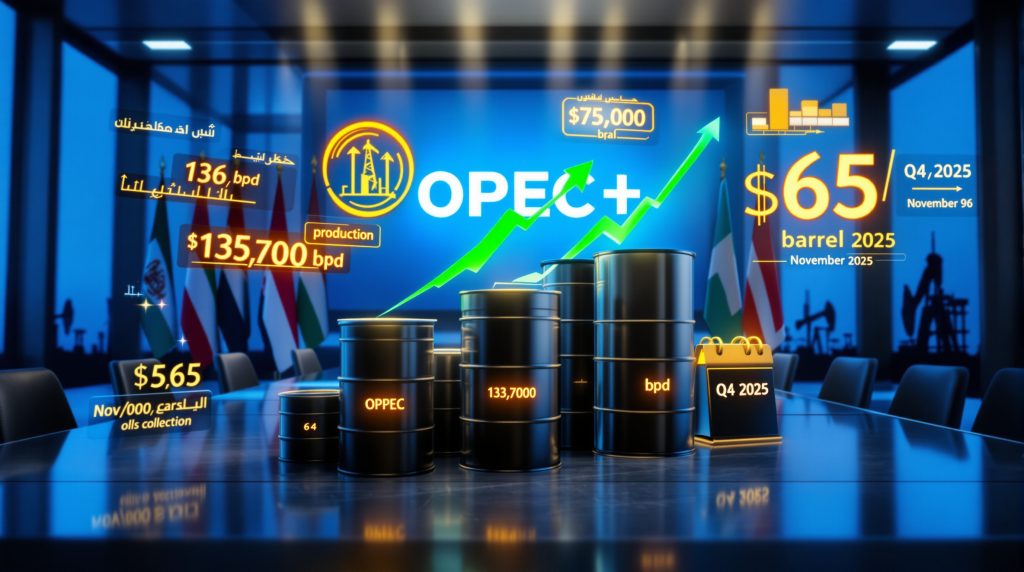
The OPEC+ alliance is preparing to extend its cautious approach to oil production, with eight member countries agreeing in principle to maintain a pause in planned output hikes through March. The move, reported ahead of a formal ministerial meeting, underscores the group’s continued focus on balancing oil supply with uncertain global demand and heightened geopolitical risks.
The decision, while not yet formally ratified, suggests that OPEC+ remains wary of oversupplying the market at a time when economic growth signals are mixed and price volatility remains elevated. For traders, governments, and energy producers alike, the group’s stance offers insight into how the world’s most influential oil exporters are navigating an increasingly complex energy landscape.
OPEC+ Reaffirms Cautious Supply Strategy
According to sources familiar with the discussions, eight OPEC+ countries have reached a preliminary agreement to stick with a pause on oil output increases for March. This pause was originally agreed upon in November, when the alliance decided to hold off on production hikes during the first quarter of the year.
The formal meeting to finalize the decision is scheduled for early afternoon GMT, but the advance consensus indicates that a major policy shift is unlikely. By signaling continuity ahead of the meeting, OPEC+ appears intent on reassuring markets that it will not rush to add supply prematurely.
This approach reflects the group’s broader strategy over the past year: respond gradually to market conditions rather than making abrupt changes that could destabilize prices.
Why OPEC+ Is Holding Back on Output Increases
The decision to pause output hikes is rooted in a combination of demand uncertainty and supply-side considerations. While global oil consumption has shown resilience, growth remains uneven across regions. Slower economic momentum in parts of Europe and Asia has raised concerns about the strength of demand in the months ahead.
At the same time, oil prices have experienced significant swings, influenced by geopolitical tensions, shifting interest rate expectations, and speculative trading. By keeping production steady, OPEC+ aims to reduce the risk of pushing prices lower through excess supply.
Another key factor is inventory management. Many consuming nations have worked to rebuild or manage strategic reserves, while commercial stockpiles remain a closely watched indicator. OPEC+ policymakers are keen to avoid a scenario in which inventories rise sharply, a development that would likely put downward pressure on crude prices.
The Role of the Eight Participating Countries
Although OPEC+ includes more than 20 oil-producing nations, policy decisions often hinge on coordination among a smaller group of key producers. The eight countries involved in the current agreement are among those with the most influence over near-term supply adjustments.
These producers have already demonstrated a willingness to act collectively, whether through coordinated cuts, phased increases, or temporary pauses. Their agreement in principle ahead of the meeting suggests a high level of internal alignment, reducing the likelihood of surprise outcomes.
Such coordination is critical for OPEC+ credibility. Markets tend to react not only to the content of decisions, but also to the perceived unity within the group. A clear, unified stance helps stabilize expectations and limits speculative volatility.
Market Reaction and Oil Price Implications
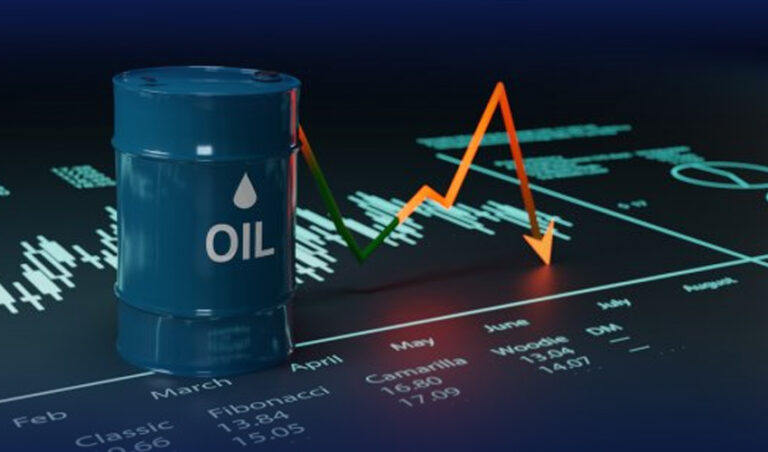
Even preliminary signals from OPEC+ can have a meaningful impact on oil prices. The indication that output hikes will remain on hold is generally supportive for crude benchmarks, as it limits the prospect of additional supply entering the market in the near term.
For traders, the decision reinforces the view that OPEC+ is prioritizing price stability over rapid market share expansion. This stance has become increasingly important as non-OPEC supply, particularly from the United States, continues to grow.
By keeping production steady, OPEC+ effectively places a floor under prices, while leaving room to adjust policy later in the year if demand conditions improve or deteriorate significantly.
Geopolitical Tensions Add to Supply Uncertainty
OPEC+ supply decisions are being made against a backdrop of heightened geopolitical risk. Conflicts and political instability in key regions have increased concerns about potential supply disruptions, particularly in the Middle East.
Shipping routes, production infrastructure, and energy exports remain vulnerable to regional escalation. In this environment, adding supply aggressively could backfire if disruptions suddenly tighten the market.
By maintaining a pause, OPEC+ preserves flexibility. If geopolitical events reduce supply elsewhere, the group retains the ability to respond. Conversely, if tensions ease and demand weakens, the alliance avoids contributing to oversupply.
Balancing Non-OPEC Supply Growth
One of the ongoing challenges for OPEC+ is managing its strategy in the face of rising non-OPEC production. US shale output, in particular, has proven more resilient than many expected, even amid higher costs and tighter financing conditions.
This dynamic complicates OPEC+ decision-making. Increasing output too quickly could surrender price support while benefiting competitors. Holding back, on the other hand, risks ceding some market share but helps protect revenues in the short term.
The current pause suggests that OPEC+ is still prioritizing revenue stability over volume growth, especially as global demand signals remain mixed.
Energy Transition Pressures Shape Long-Term Strategy
Beyond short-term market dynamics, OPEC+ producers are also navigating the longer-term implications of the global energy transition. Investments in renewable energy, electric vehicles, and energy efficiency are expected to reshape oil demand growth over time.
While oil remains essential to the global economy, many producers are increasingly cautious about expanding capacity too aggressively in a world moving toward lower-carbon energy sources. A measured approach to output increases aligns with this strategic uncertainty.
By pacing production decisions carefully, OPEC+ can maximize the value of existing resources while avoiding large-scale investments that may not deliver returns in the future.
What to Watch From the Formal Meeting
The formal OPEC+ meeting will still be closely scrutinized, even if the outcome appears largely predetermined. Markets will look for details on how long the pause might last and what conditions could trigger a change in policy.
Any language addressing demand forecasts, inventory levels, or geopolitical risks could influence trader sentiment. Even subtle shifts in tone may signal how the group is thinking about supply later in the year.
Additionally, comments from key producers—particularly Saudi Arabia and Russia—will be analyzed for hints about future strategy.
Conclusion: Stability Over Surprise in Oil Markets
The agreement in principle by eight OPEC+ countries to maintain a pause in oil output hikes for March reflects a deliberate, risk-aware approach to managing global supply. Faced with uncertain demand, geopolitical tensions, and rising non-OPEC production, the alliance is choosing stability over aggressive expansion.
For oil markets, this decision reduces near-term uncertainty and reinforces OPEC+’s role as a stabilizing force. While future policy shifts remain possible, the current signal is clear: OPEC+ is in no rush to add barrels to the market until conditions justify it.
As the formal meeting concludes and attention turns to the months ahead, energy markets will continue to look to OPEC+ for guidance in navigating an increasingly complex and volatile global oil environment.
About The Author