A Historic Turning Point for Europe’s Power Sector
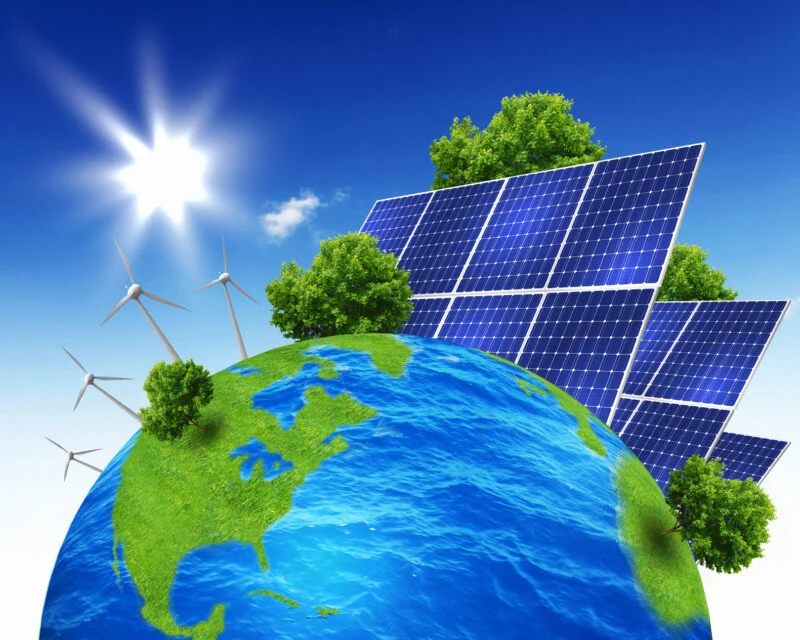
Europe’s energy system reached a historic milestone last year as wind and solar power collectively generated more electricity than fossil fuels across the European Union for the first time. The shift represents a defining moment in the bloc’s long-term transition toward cleaner energy and underscores how rapidly renewable technologies are reshaping the electricity landscape.
According to newly released data from energy research group Ember, wind and solar accounted for roughly 30% of total EU electricity generation in 2025, narrowly surpassing the 29% produced by coal-, gas-, and oil-fired power plants. While the margin may appear slim, the symbolic significance is substantial. It signals that renewables have moved from being a supplementary source of power to forming the backbone of Europe’s electricity supply.
This transformation has occurred despite economic pressures, geopolitical uncertainty, and political resistance in several member states. Taken together, the figures highlight both the momentum behind Europe’s clean-energy transition and the structural challenges that remain unresolved.
Rapid Growth in Wind and Solar Capacity Drives Record Output
The primary driver behind renewables’ breakthrough performance was a sharp expansion in solar capacity. Solar installations across the EU increased by approximately 19% last year, enabling record levels of electricity generation from photovoltaic systems. This surge more than compensated for weaker hydropower output, which was constrained by drought conditions in several regions.
Wind generation also played a critical role, continuing its steady expansion across both onshore and offshore projects. Improved turbine efficiency and capacity additions helped maintain strong output even in years when weather conditions were uneven.
Solar power has now become a major pillar of electricity supply in multiple EU countries. In Hungary, Spain, and the Netherlands, solar alone generates more than one-fifth of national electricity demand. These developments illustrate how rapidly renewable energy can scale when supported by policy incentives, falling technology costs, and private investment.
However, the growth has not been uniform. Some regions have benefited from favorable permitting rules and grid access, while others continue to face regulatory bottlenecks that slow deployment. Even so, the overall trend remains clear: renewable capacity is expanding faster than fossil fuel alternatives.
Low-Carbon Sources Now Dominate Europe’s Electricity Mix
The rise of wind and solar is part of a broader structural shift toward low-carbon electricity. When combined with nuclear power, renewables supplied approximately 71% of the European Union’s electricity last year. This means that more than two-thirds of EU power generation now comes from sources that produce little or no direct carbon emissions.
Coal’s decline has been particularly striking. Its share of EU electricity generation fell to a record low of just over 9%, with historically coal-dependent countries such as Germany and Poland both reporting their lowest coal usage on record. Gas-fired generation, while still significant, increasingly serves as a balancing tool rather than a primary source of baseload power.
The transition has been driven by multiple factors: climate targets, rising carbon costs, energy security concerns, and the desire to reduce dependence on imported fossil fuels. The push to cut reliance on Russian energy supplies following geopolitical tensions has further reinforced the strategic value of domestic renewable generation.
While the power sector has made substantial progress, other areas of the economy lag behind. Transport, heating, and heavy industry continue to rely heavily on fossil fuels, limiting the overall pace of emissions reductions. Still, the electricity sector’s transformation provides a foundation for broader electrification across the economy.
Political Resistance and Policy Trade-Offs Slow Momentum
Despite the record year for clean electricity, Europe’s energy transition has faced growing political headwinds. Several governments have pushed back against ambitious climate policies, arguing that rapid decarbonization risks undermining industrial competitiveness and household affordability.
Pressure from countries such as Germany and the Czech Republic led the European Commission to dilute certain carbon-cutting measures last year. These compromises reflect the political balancing act between maintaining public support and accelerating emissions reductions.
At the same time, Europe’s evolving relationship with the United States has introduced new uncertainty. A recent agreement with President Donald Trump to significantly increase purchases of U.S. energy has raised questions about the EU’s long-term strategy to reduce oil and gas consumption. Critics argue that expanding fossil fuel imports could undermine climate goals, even if they improve short-term energy security.
These political dynamics highlight a central tension in Europe’s energy transition: while the technical and economic case for renewables continues to strengthen, policy consistency remains fragile.
Infrastructure Bottlenecks Undermine Cost Benefits of Clean Power
One of the most pressing challenges facing Europe’s power system is inadequate infrastructure. Despite the rapid growth of wind and solar generation, investment in electricity grids and storage has not kept pace. As a result, renewable operators are frequently forced to curtail production during periods of high output to avoid overloading the network.
This curtailment represents a significant economic inefficiency. Cheap, zero-carbon electricity is effectively wasted, while consumers and industries continue to face high power prices. In some cases, gas-fired plants are brought online even when renewable capacity is available, simply because the grid cannot transport electricity to where it is needed.
Energy analysts note that last year’s electricity price spikes often coincided with peaks in gas usage rather than shortages of renewable generation. This pattern underscores the importance of flexibility, storage, and transmission capacity in a system increasingly dominated by variable renewables.
Battery storage, demand-response technologies, and cross-border grid interconnections are widely seen as critical solutions. Without accelerated investment in these areas, Europe risks limiting the full economic benefits of its clean-energy transition.
The Economic Implications for Households and Industry
While renewable energy has helped stabilize long-term electricity costs, short-term volatility remains a concern. Many households and industrial users have yet to see meaningful relief in their energy bills, fueling skepticism about the transition.
High power prices can erode industrial competitiveness, particularly for energy-intensive sectors such as steel, chemicals, and manufacturing. Policymakers face mounting pressure to ensure that the shift to clean energy does not come at the expense of economic growth or social cohesion.
Experts argue that better infrastructure planning and market reforms could significantly reduce costs over time. By smoothing price volatility and maximizing the use of low-cost renewable electricity, Europe could unlock substantial economic gains.
Conclusion: A Milestone Achieved, but the Hard Work Continues
The fact that wind and solar have overtaken fossil fuels in EU electricity generation marks a historic achievement. It demonstrates that large-scale energy transitions are not only possible but already underway. Europe’s power sector has become predominantly low-carbon, setting an example for other regions seeking to decarbonize.
Yet this milestone is not the endpoint. Political resistance, infrastructure constraints, and uneven progress across sectors continue to pose serious challenges. The next phase of the transition will require sustained investment, policy stability, and public support to translate clean power growth into lower costs and deeper emissions cuts.
If Europe can address these bottlenecks, the record year for wind and solar may prove to be not just a symbolic victory, but a turning point in building a resilient, affordable, and climate-friendly energy system.
About The Author