U.S. Keeps 40% Tariff on Major Brazilian Exports
Brazilian Vice President Geraldo Alckmin announced Saturday that several of Brazil’s top exports—coffee, beef, and tropical fruits—will continue to face a 40% tariff in the United States.
This comes despite President Donald Trump’s decision on Friday to roll back some import taxes introduced earlier this year.
Trump had originally imposed a 10% tariff in April, branding the moment as “Liberation Day” and claiming it would boost U.S. production. Yet the administration later added a 40% punitive tariff in July, linking it to the trial of former Brazilian President Jair Bolsonaro, an ally of Trump. Bolsonaro was convicted in September for attempting a coup and sentenced to 27 years and three months in prison.
Some Goods See Relief — But Not the Big Ones
Alckmin explained that certain products, including orange juice, will now enter the U.S. without tariffs, as they were not part of the additional 40% duty.
However, the higher tariff remains firmly in place for:
- Coffee
- Beef
- Tropical fruits such as mangoes and pineapples
Alckmin called Trump’s latest decision a “positive step,” but emphasized that an imbalance remains:
“Everyone got 10% less, but in Brazil’s case, which had 50%, we ended up with 40%, which is very high.”
With this adjustment, 26% of Brazilian exports now enter the U.S. tariff-free, up from 23%.
Political Motivation Behind Tariffs Strained Relations
Trump’s July tariff escalation—widely viewed as politically motivated—came at a time when Brazil already had a trade deficit with the United States.
The move pushed U.S.–Brazil relations to one of their lowest points in history.
Since then, diplomatic ties have improved:
- In October, President Luiz Inácio Lula da Silva met with Trump in Malaysia.
- This week, U.S. Secretary of State Marco Rubio met with Brazilian Foreign Minister Mauro Vieira to continue trade discussions.
Alckmin said Lula’s meeting with Trump was instrumental in rebuilding dialogue. Lula later expressed confidence that a new trade agreement between the two countries is achievable.
Tariffs and U.S. Inflation: Political Fallout Continues
The Trump administration maintains that tariffs helped boost federal revenue and had limited impact on grocery prices.
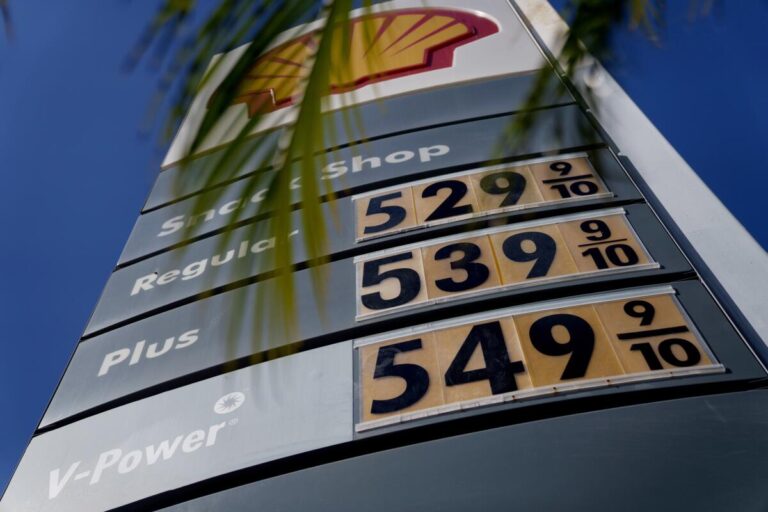
Democrats disagree, pointing to record-high beef prices in the United States and arguing that Trump’s tariffs on Brazil—a major global beef supplier—contributed to higher food costs.
Trump had vowed to take action to reduce beef prices, but the July tariffs served to push them higher.
Brazilian Coffee Industry Monitoring the Situation
The Brazilian Association of the Coffee Industry responded cautiously to the tariff changes.
Its president, Pavel Cardoso, said the sector would continue working to ensure:
- Legal certainty
- Competitiveness
- Predictability
for Brazil’s globally important coffee industry.
About The Author