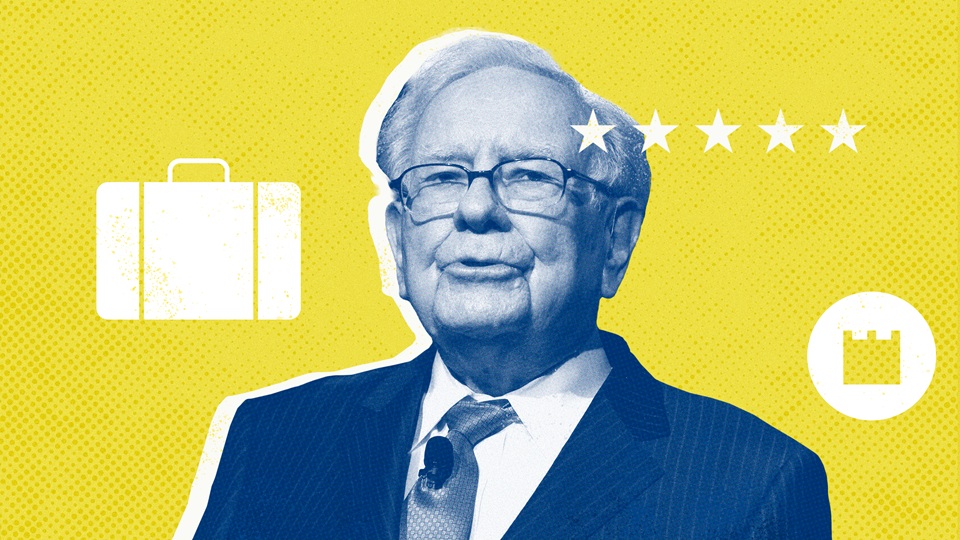
Warren Buffett’s Latest Message to Wall Street
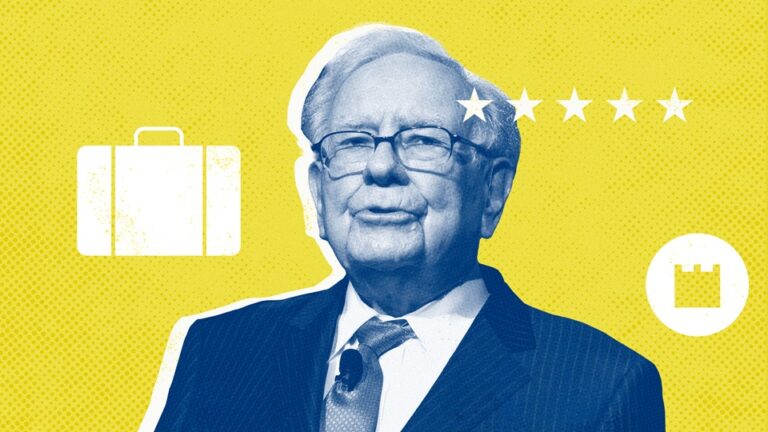
Few investors command as much respect in the financial world as Warren Buffett. Known as the “Oracle of Omaha,” Buffett built his reputation through decades of disciplined investing and consistent market-beating performance.
As the longtime leader of Berkshire Hathaway, Buffett delivered extraordinary returns for shareholders over nearly 60 years. Although he stepped down as chief executive at the end of 2025, he remains chairman of the company and continues to actively follow markets and share his investment perspective.
With markets experiencing increased volatility recently, Buffett’s views have once again attracted significant attention. His latest comments include a subtle but important warning: many stocks may still be too expensive despite recent market declines.
For investors navigating uncertain economic conditions, Buffett’s message provides valuable guidance on how to approach the market today.
Market Volatility Returns After a Strong Bull Run
The stock market has experienced a remarkable run over the past few years. The benchmark S&P 500 index surged into its third year of a bull market and reached multiple record highs along the way.
Over the previous three calendar years alone, the index climbed nearly 80%, reflecting strong corporate earnings and investor enthusiasm for emerging technologies.
One of the biggest forces driving this rally has been the rapid growth of artificial intelligence. Investors have poured billions into companies developing AI chips, software platforms, and cloud infrastructure.
Major technology companies such as Nvidia and Alphabet have been among the biggest beneficiaries of the AI boom. Their rising share prices helped push the broader market higher as investors bet that artificial intelligence could transform industries and dramatically increase productivity.
However, in recent months the market’s momentum has weakened. Investors have become more cautious due to several factors, including economic uncertainty, geopolitical tensions, and questions about whether AI-related valuations have risen too quickly.
In March, the S&P 500 declined by about 5%, reflecting a wave of selling in technology and growth stocks.
Buffett’s Comments on Apple Spark Attention
Buffett recently spoke about one of his most important investments: Apple.
For years, Apple has been the largest single holding in Berkshire Hathaway’s massive investment portfolio. Even after reducing his stake in the company during the past year, Apple remains Berkshire’s biggest position.
During an interview with CNBC, Buffett made a statement that quickly caught the attention of investors.
He said that he would be willing to buy more Apple shares — but only if the price were right.
However, he added a key point: he is not interested in buying Apple at current market prices.
His exact message was clear: he would buy the stock “if the price were attractive,” but “it just isn’t going to happen in this market.”
Although Buffett did not elaborate extensively on his reasoning, his comments strongly suggest concerns about valuation.
Why Valuation Matters in Buffett’s Strategy
Buffett’s investing philosophy has always been rooted in value investing.
Rather than buying popular stocks simply because they are rising, he focuses on identifying companies trading below their true long-term value. When the price of a great business becomes attractive enough, Buffett invests heavily and then holds the shares for many years.
This disciplined strategy has been one of the key reasons behind his long-term success.
Today, however, the overall stock market appears historically expensive according to several widely followed valuation indicators.
One such measure is the Shiller CAPE ratio, which compares stock prices to inflation-adjusted earnings. This metric helps investors evaluate whether the market is priced reasonably relative to historical standards.
Recent data shows that the Shiller CAPE ratio is near one of the highest levels in modern history. The only comparable period occurred during the dot-com bubble of 2000, when technology stocks became dramatically overvalued before eventually collapsing.
This does not necessarily mean that the market is about to crash. But it does suggest that many stocks may offer less margin of safety for investors buying today.
Why Apple May Not Look Cheap Right Now
Although Apple remains one of the world’s strongest companies, its valuation has remained relatively elevated over the past several years.
The company continues to generate enormous profits through its ecosystem of products and services, including the iPhone, Mac computers, wearables, and digital subscriptions.
However, its stock price has largely reflected that success already. Because of this, Buffett may view Apple as fairly valued rather than deeply discounted.
For a value investor like Buffett, that distinction matters enormously.
He prefers to buy when the market undervalues a company—not when the price simply reflects current expectations.
What Buffett’s Warning Means for Investors
Buffett’s comments can be interpreted as a broader message about the current state of the stock market.
Even after recent declines, many stocks may still be trading at historically high valuations.
This doesn’t necessarily mean investors should avoid the market entirely. Buffett himself has repeatedly emphasized that investing in stocks remains one of the most effective ways to build long-term wealth.
However, his comments highlight an important principle: price matters.
Investors should carefully consider whether a company’s stock price accurately reflects its long-term growth potential before buying shares.
Blindly chasing popular trends—such as artificial intelligence stocks—can be risky if valuations become detached from fundamentals.
How Investors Can Apply Buffett’s Advice Today
Buffett’s strategy offers several lessons for investors navigating today’s market environment.
Focus on Quality Businesses
Rather than chasing speculative companies, Buffett prefers businesses with strong competitive advantages, stable cash flow, and experienced management.
Companies with durable business models are better positioned to weather economic uncertainty.
Pay Attention to Valuation
Even great companies can be poor investments if purchased at excessively high prices.
Evaluating valuation metrics such as price-to-earnings ratios or long-term earnings potential can help investors avoid overpaying.
Be Patient
One of Buffett’s greatest strengths is patience.
Instead of constantly trading in response to short-term market movements, he often waits months or even years for attractive opportunities.
Think Long Term
Buffett frequently reminds investors that the stock market rewards those who focus on long-term value rather than short-term speculation.
Holding strong companies for many years can allow compounding returns to work in your favor.
The Bottom Line
Warren Buffett rarely makes dramatic predictions about the stock market. Instead, he focuses on timeless investing principles.
His latest message to Wall Street is simple but powerful: many stocks still look expensive, and investors should remain disciplined when evaluating opportunities.
This doesn’t mean the market should be avoided entirely. Instead, Buffett’s warning encourages investors to look carefully for high-quality companies trading at reasonable prices.
In an environment filled with volatility, geopolitical uncertainty, and rapidly evolving technology trends, that kind of disciplined approach may be more valuable than ever.
About The Author