🕊️ APEC Leaders Unite on Shared Trade Vision Amid Global Divides
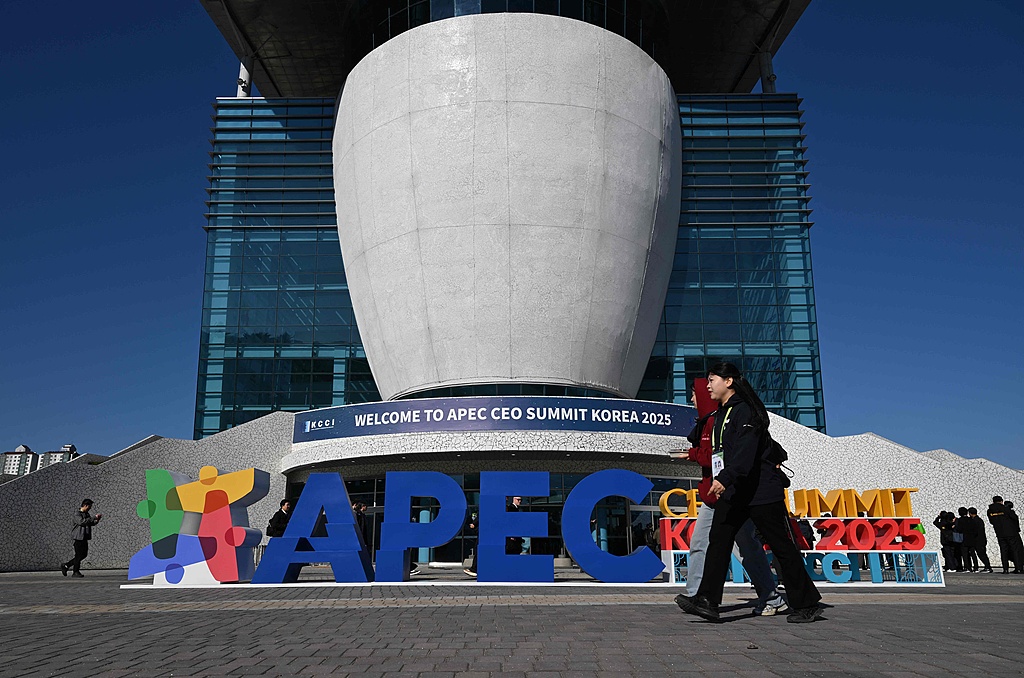
As global trade faces mounting fragmentation, Asia-Pacific leaders wrapped up the 2025 APEC Summit in Gyeongju, South Korea, with a call for resilience, inclusivity, and shared benefits in international commerce.
The joint declaration—covering trade, artificial intelligence (AI), and demographic shifts—underscored the need for stronger regional cooperation amid rising protectionism and shifting power dynamics between the United States and China.
Despite efforts to maintain unity, the declaration notably omitted references to multilateralism and the World Trade Organization (WTO)—a sign of changing attitudes toward traditional trade systems.
“We cannot deny anymore that there is a paradigm shift in the global trade order,”
said Heo Yoon, professor of international trade at Sogang University, Seoul.
🇨🇳 Xi Jinping Takes Center Stage in Trump’s Absence
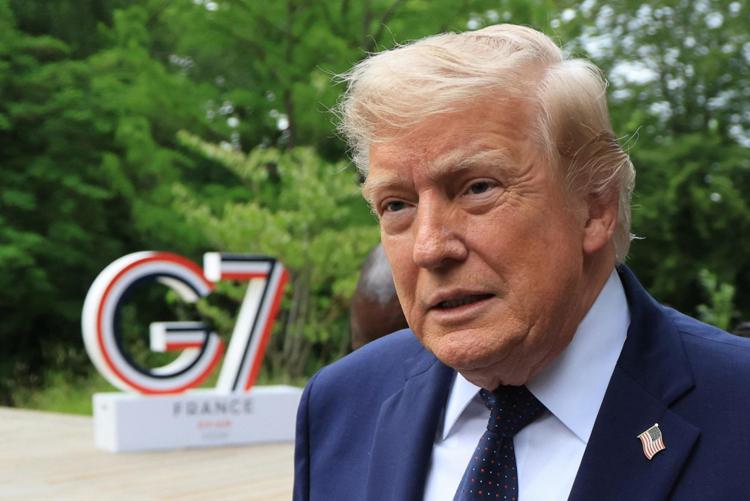
With U.S. President Donald Trump leaving before the summit began—after announcing new trade deals with China and South Korea—China’s Xi Jinping seized the moment to present Beijing as a champion of open markets and technological cooperation.
Xi proposed the creation of a World Artificial Intelligence Cooperation Organization (WAICO), positioning China at the forefront of global AI governance.
“China is clearly taking advantage of Trump’s absence to engage countries concerned about U.S. retreat and China’s rise,” said Li Xing, professor at the Guangdong Institute for International Strategies.
Xi also announced that China will host APEC in Shenzhen in 2026, reinforcing Beijing’s long-term commitment to shaping regional trade policy.
🇰🇷 South Korea Balances Between Superpowers
The summit also marked a crucial diplomatic moment for South Korea’s President Lee Jae Myung, who is navigating a delicate balance between U.S. alliance commitments and economic cooperation with China.
Hosting Xi’s three-day state visit, Lee emphasized that Seoul and Beijing must “go beyond simple restoration” and build a mutually beneficial partnership.
Lee’s administration faces multiple challenges — reviving South Korea’s export-driven economy, managing tensions with North Korea, and navigating the U.S.-China rivalry.
Earlier in the week, Lee also welcomed Trump for a brief state visit, unveiling a new trade deal that lowers U.S. tariffs in exchange for billions in South Korean investments in American industries.
☢️ North Korea and Regional Security Concerns
In discussions with Xi, President Lee urged China’s support in re-engaging North Korea, though Chinese state media avoided mention of Pyongyang.
Shortly after, North Korea dismissed denuclearization efforts as an unrealistic “pipe dream,” reaffirming its nuclear stance.
Meanwhile, Trump had offered to meet North Korean leader Kim Jong Un during his South Korean visit — an offer that went unanswered.
💼 Trade, AI, and the Future of Global Cooperation
The 2025 APEC summit’s discussions signaled a turning point in global trade and technology governance.
- AI and Trade: Leaders adopted statements promoting AI collaboration but stopped short of establishing regulations.
- Economic Shifts: Analysts noted a move away from reliance on multilateral institutions like the WTO.
- China’s Strategic Positioning: With the proposed AI Cooperation Organization, Beijing is framing itself as a leader in responsible innovation.
The declaration also included commitments on demographic adaptation and sustainable economic growth, underscoring APEC’s role as a platform for navigating complex global transitions.
🔮 The Road Ahead: A New Trade Era for the Asia-Pacific
With China hosting APEC in 2026, the focus will likely shift toward AI-driven trade, digital infrastructure, and regional stability.
While the U.S. maintains significant influence, analysts believe Asia’s future trade architecture will depend on cooperation, not confrontation.
“Few countries believe there can be a new trade order that excludes the U.S.,”
said Professor Heo, “but they also recognize China’s growing role in shaping that future.”
Conclusion:
The 2025 APEC Summit underscored both the fragmentation and transformation of the global trade system. As leaders push for inclusivity, innovation, and resilience, the Asia-Pacific region stands at the crossroads of economic cooperation and geopolitical rivalry — with AI and trade tokenization likely to define the next decade of growth.
About The Author