📉 Corporate Giants Announce Massive Job Cuts
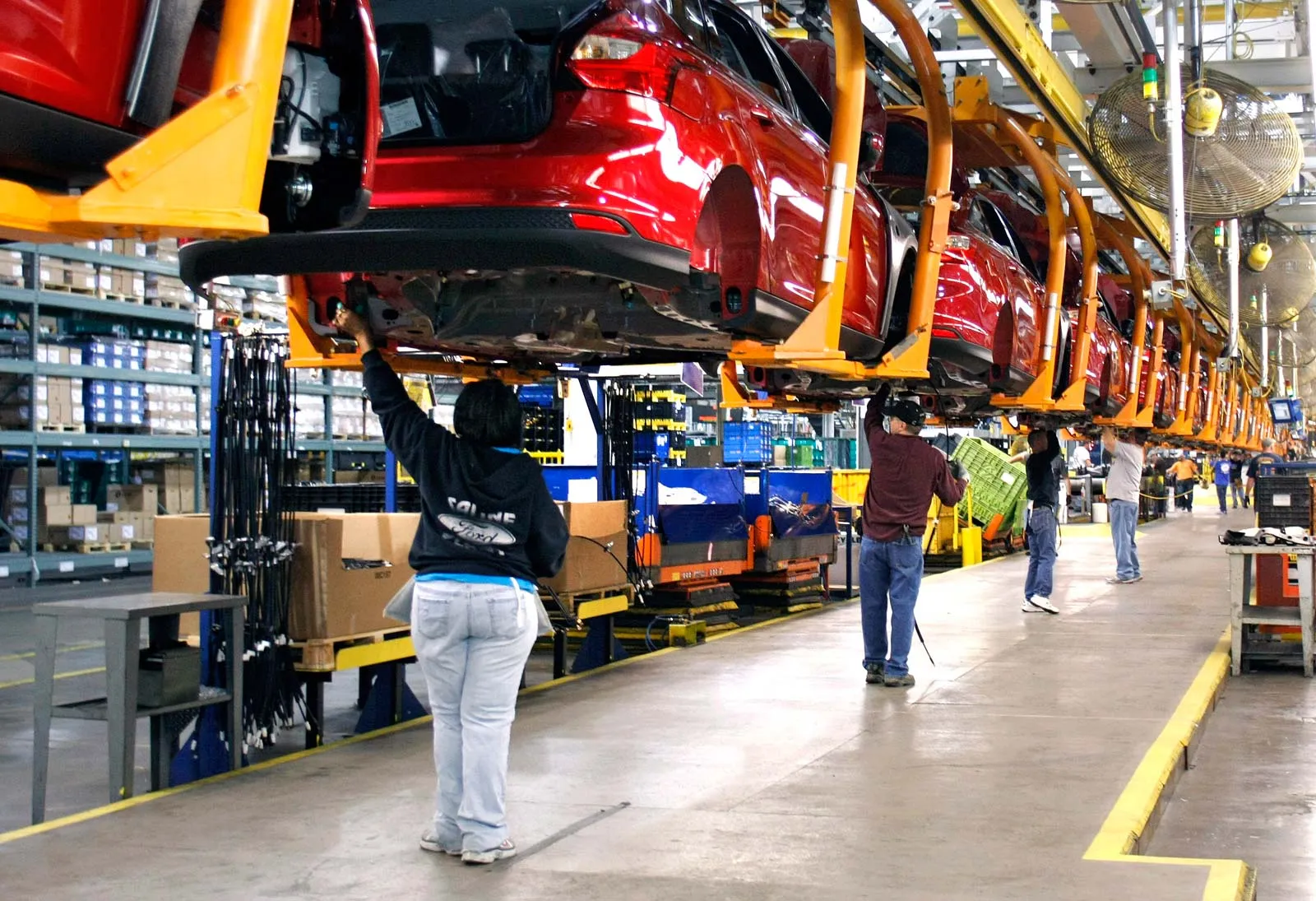
Global corporations are entering a new phase of cost-cutting as AI-driven automation and economic uncertainty reshape the global workforce. Industry heavyweights — including Amazon, Nestlé, and UPS — have announced plans to cut tens of thousands of jobs in a bid to streamline operations and protect profits amid weakening demand.
A Reuters analysis revealed that U.S. companies have announced over 25,000 layoffs this month, excluding UPS’s previously disclosed 48,000 job reductions planned for early 2025. In Europe, job losses exceed 20,000, largely driven by Nestlé’s 16,000-position cutback announced last week.
While year-end job reductions are not uncommon, analysts say the scale and focus of these cuts signal something deeper.
“You don’t see mass layoffs when the economy is strong,” said Adam Sarhan, CEO of 50 Park Investments. “Moves like Amazon’s tell me the economy is slowing down, not getting stronger.”
🤖 AI Spending Meets Investor Pressure
Companies are no longer cutting just blue-collar positions — white-collar roles are now in the crosshairs.
Amazon confirmed plans to eliminate up to 14,000 corporate jobs, joining Target, Procter & Gamble, and others in reducing office-based positions. Some reports suggest total Amazon cuts could reach 30,000 roles.
Meanwhile, Target is trimming 8% of its corporate workforce, and Carter’s is slashing 15% of office jobs, citing mounting costs from tariffs imposed by President Donald Trump.
The common thread? AI-driven automation.
Firms that invested heavily in artificial intelligence are now under pressure to show returns on those investments — often by replacing entry-level and repetitive white-collar roles.
A recent KPMG survey found that U.S. executives expect AI spending to jump 14% year-over-year, averaging $130 million per company in the next 12 months. Nearly 78% of executives say they face pressure from boards and investors to demonstrate AI’s impact on efficiency and profits.
“The occupations most vulnerable are entry-level office jobs — the kind that can be easily automated,” noted Bank of America economists in an October 22 report.
💼 Is AI Really to Blame?
Not everyone is convinced that AI is the sole driver of this layoff wave.
“It’s too early to say this is an AI story,” said Allison Shrivastava, economist at Indeed Hiring Lab. “The tech sector has been in retrenchment mode since 2022. AI might influence trends, but it’s not the main cause yet.”
Still, the growing shift toward automation is undeniable. As companies race to integrate AI tools, many are redefining workforce structures — prioritizing tech investment while quietly reducing headcount through attrition.
🕰️ A “Low-Hiring, Low-Firing” Economy
Adding to the uncertainty, the ongoing U.S. government shutdown — the second-longest in history — has left investors and economists with limited data.
Without updated federal labor reports, markets are relying on corporate layoff announcements as a barometer for economic health.
Payroll data from ADP showed a modest 14,250-job increase in early October, reinforcing the notion that hiring remains subdued. Economists describe the environment as “low-hiring, low-firing” — a fragile equilibrium that could shift quickly.
“Companies are holding their breath,” said Shrivastava. “They’re neither aggressively hiring nor firing — just waiting to see what happens next.”
⚠️ Risks Ahead: Consumer Confidence and Economic Fallout
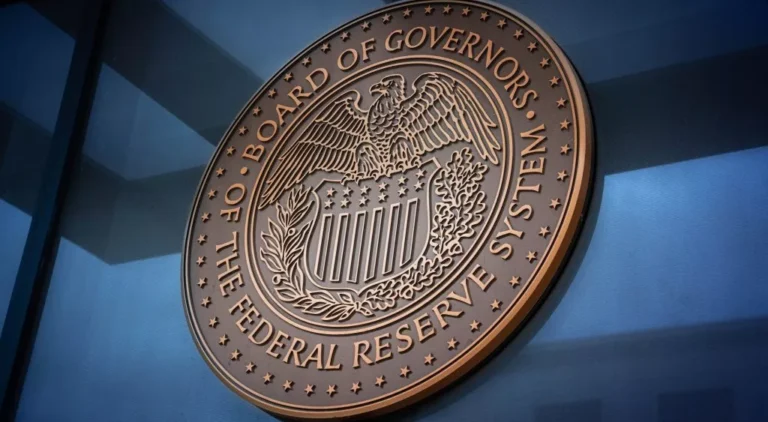
If layoffs accelerate, the ripple effects could further weaken consumer confidence and stall the broader economy, already strained by tariffs and inflation above the Federal Reserve’s target range.
Some Fed officials have voiced concern that the “low-hiring, low-firing” cycle could quickly deteriorate into faster, more widespread job losses if confidence falters.
Investors are watching closely. For now, the combination of AI uncertainty, geopolitical tensions, and sluggish growth has created what analysts describe as a “hold-your-breath economy.”
🔑 Key Takeaways
- Amazon, Nestlé, and UPS are leading a new wave of global layoffs.
- Companies are increasingly targeting white-collar positions for cuts, partly due to AI automation.
- Executives face pressure to prove AI investments yield measurable returns.
- Economists warn of a “low-hiring, low-firing” equilibrium that could quickly shift toward deeper layoffs.
- Ongoing U.S. government shutdown limits visibility into real labor market trends.
📊 Final Word: A Workforce on the Edge of Change
The latest round of corporate layoffs may be just the beginning of a longer transformation in how companies balance technology, efficiency, and human labor.
Whether AI becomes a true job killer or productivity enhancer depends on how firms — and governments — manage the coming disruption.
For now, workers and investors alike are left to brace for uncertainty, as the AI revolution collides with a cooling global economy.
About The Author