WHO Raises Global Alarm Over New Ebola Outbreak
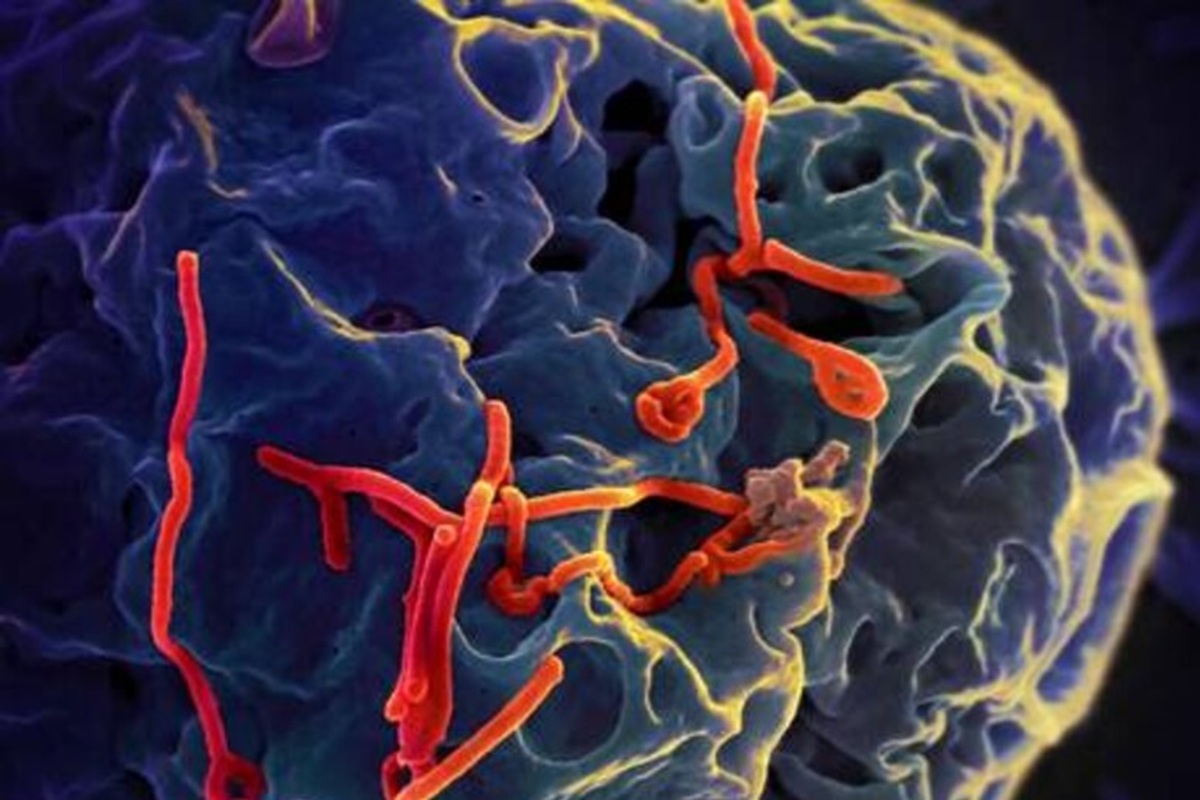
The World Health Organization has officially declared the ongoing Ebola outbreak in the Democratic Republic of Congo and Uganda a public health emergency of international concern following rising infections and dozens of suspected deaths linked to the dangerous Bundibugyo virus strain.
The announcement comes after health authorities reported at least 80 suspected deaths, eight laboratory-confirmed infections, and more than 240 suspected cases concentrated mainly in eastern regions of the Democratic Republic of Congo. The outbreak has already crossed borders into neighboring Uganda, increasing fears of wider regional transmission across Central and East Africa.
Despite the growing number of cases, the WHO clarified that the outbreak does not currently meet the criteria required for classification as a global pandemic emergency. However, the organization warned that countries sharing land borders with Congo remain at particularly high risk due to cross-border movement and limited healthcare infrastructure in several affected areas.
Health officials are now racing to contain the outbreak through rapid isolation measures, emergency screening procedures, contact tracing, and international coordination aimed at preventing further spread of the virus.
Bundibugyo Ebola Virus Creates Major Concern for Health Authorities
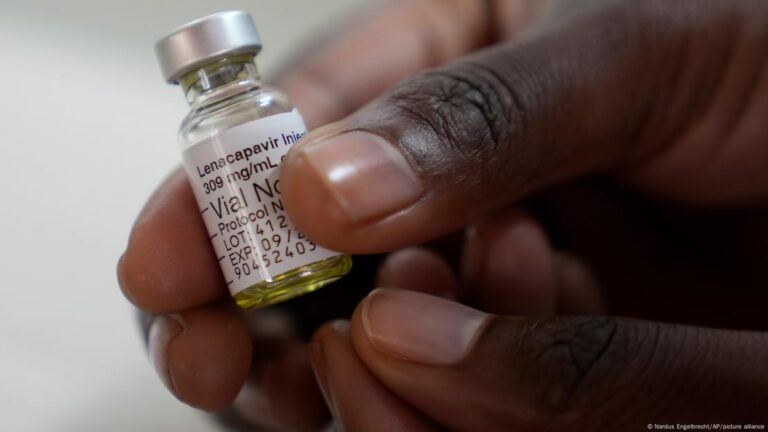
One of the most alarming aspects of the outbreak is that it involves the Bundibugyo strain of the Ebola virus, a less common but highly dangerous variant for which there are currently no approved vaccines or targeted treatments.
Unlike previous Ebola outbreaks in Congo, which were mostly caused by the Zaire strain, the Bundibugyo virus presents unique challenges for medical responders and public health agencies.
The Democratic Republic of Congo has experienced multiple Ebola outbreaks since the virus was first identified in the country in 1976. However, this latest outbreak is already being described by health experts as unusual and potentially more difficult to control.
The WHO referred to the situation as “extraordinary” because existing Ebola treatment strategies and vaccination tools are less effective against the Bundibugyo variant compared to the more widely studied Ebola-Zaire strain.
Health officials fear the outbreak could be significantly larger than current confirmed figures suggest. According to the WHO, the high positivity rate among initial laboratory samples and the increasing number of suspected cases indicate that many infections may remain undetected.
The outbreak is concentrated primarily in Congo’s Ituri province, including the health zones of Bunia, Rwampara, and Mongbwalu.
One confirmed case was also identified in the eastern city of Goma, a major urban center with extensive regional transportation links, increasing concern about potential wider transmission.
Uganda Confirms Cases Linked to Cross-Border Spread
Uganda has already reported confirmed Ebola cases connected to travel from the Democratic Republic of Congo, highlighting the virus’s growing international dimension.
According to the WHO, two laboratory-confirmed cases were identified in Uganda’s capital city, Kampala, including one fatality. Health officials believe the infected individuals traveled from affected regions in eastern Congo before developing symptoms.
The confirmation of cross-border transmission significantly raised international concern because it demonstrates the virus’s ability to spread through population movement between neighboring countries.
The WHO stated that international spread has already been documented, making rapid coordination between African health authorities essential.
Medical experts warn that porous land borders, informal trade routes, refugee movement, and limited screening infrastructure could accelerate regional spread if containment efforts fail.
At the same time, the WHO confirmed that a previously suspected Ebola case in Kinshasa, the capital of Congo, later tested negative following additional laboratory analysis.
While this result reduced immediate concerns about transmission in one of Africa’s largest cities, health officials continue closely monitoring transportation hubs and urban areas for additional cases.
WHO Advises Isolation and Screening but Opposes Border Closures
As part of its emergency response recommendations, the World Health Organization urged countries in the region to immediately activate national disaster response systems and strengthen emergency healthcare coordination.
The agency advised governments to implement:
- Cross-border health screening
- Monitoring at major transportation routes
- Daily tracking of close contacts
- Immediate isolation of confirmed cases
- Enhanced surveillance systems
- Restricted movement for exposed individuals
The WHO also recommended that anyone identified as a confirmed case or close contact should avoid international travel for at least 21 days following exposure unless transported through controlled medical evacuation procedures.
Despite these strict containment measures, the organization strongly discouraged governments from fully closing borders or imposing broad travel bans.
Health experts warned that aggressive border restrictions often drive people toward unofficial crossing routes that lack medical screening and surveillance, potentially worsening transmission risks rather than reducing them.
Instead, the WHO emphasized the importance of maintaining controlled and monitored travel systems that allow authorities to identify symptomatic individuals and trace potential exposures.
Public health officials believe international cooperation will be critical in limiting the outbreak’s geographic spread.
Symptoms of Ebola Virus Disease and How It Spreads
Ebola virus disease is a severe and often fatal illness that spreads through direct contact with bodily fluids from infected individuals or contaminated materials.
According to African health authorities, the virus can spread through contact with:
- Blood
- Vomit
- Saliva
- Sweat
- Urine
- Feces
- Contaminated medical equipment
- Bodies of deceased infected patients
The disease is not considered airborne under normal conditions, but close personal contact significantly increases infection risk.
Early Ebola symptoms often resemble other viral illnesses, which can delay diagnosis during the initial stages of infection.
Common symptoms include:
- Fever
- Severe fatigue
- Muscle pain
- Headaches
- Vomiting
- Diarrhea
- Abdominal pain
- Internal or external bleeding in severe cases
As the illness progresses, patients may experience dehydration, organ failure, shock, and life-threatening complications.
Ebola outbreaks historically produce high mortality rates, particularly in regions with limited access to healthcare resources and protective medical equipment.
Rapid identification and isolation of infected individuals remain among the most important tools for preventing widespread transmission.
Dense Forest Regions Continue Serving as Natural Virus Reservoirs
Scientists believe Congo’s dense tropical forests continue functioning as natural reservoirs for Ebola viruses and other zoonotic diseases.
The virus is thought to originate in wildlife populations, particularly fruit bats, before occasionally spreading into humans through direct contact with infected animals or contaminated environments.
Environmental disruption, population displacement, mining activity, and expanding human settlement into forested areas may increase opportunities for zoonotic transmission events.
The Democratic Republic of Congo’s eastern provinces have experienced repeated outbreaks partly due to their proximity to wildlife habitats combined with fragile healthcare systems and ongoing regional instability.
Health experts warn that climate change, deforestation, and increased human interaction with wildlife may contribute to the emergence of future infectious disease outbreaks globally.
The current Ebola emergency highlights the ongoing challenge of monitoring zoonotic diseases in regions with limited medical infrastructure and difficult geographic conditions.
Africa CDC Considers Broader Continental Emergency Measures
The outbreak has also prompted growing concern from regional African health institutions.
Jean Kaseya stated that the Africa Centres for Disease Control and Prevention is evaluating whether additional continental emergency measures may be necessary.
The Africa CDC has requested technical guidance and recommendations regarding the possible declaration of a broader public health emergency of continental security.
Such a declaration could unlock additional funding, emergency medical resources, international personnel deployment, and expanded regional coordination.
African governments are now working closely with the WHO, humanitarian organizations, and international health agencies to strengthen outbreak containment strategies before transmission expands further.
Global Health Community Closely Watches Ebola Containment Efforts
Although the WHO stressed that the outbreak does not currently qualify as a pandemic-level emergency, global health experts remain highly attentive to developments in Congo and Uganda.
The situation has renewed international focus on epidemic preparedness following the lessons learned from COVID-19 and previous Ebola outbreaks.
Public health specialists emphasize that rapid action during the early stages of an outbreak is essential to preventing large-scale humanitarian crises.
The coming weeks will likely determine whether containment measures successfully limit transmission or whether the outbreak evolves into a much broader regional emergency.
For now, international health agencies continue urging calm while accelerating surveillance, medical response operations, laboratory testing, and public awareness campaigns across affected areas.
About The Author