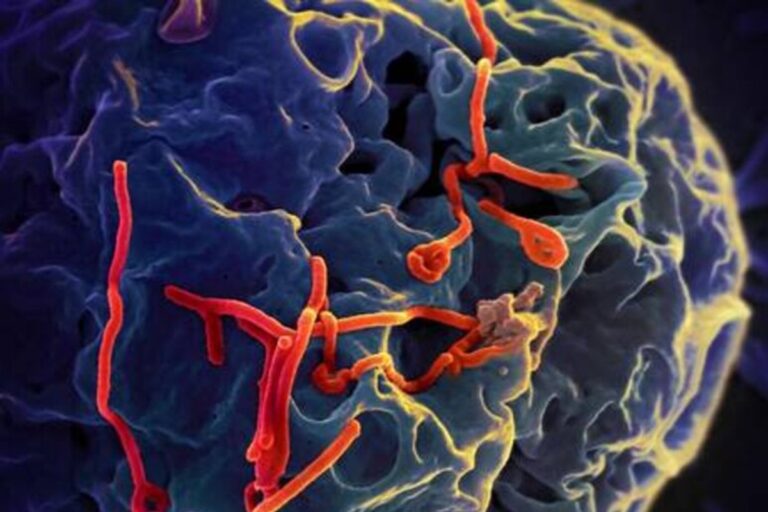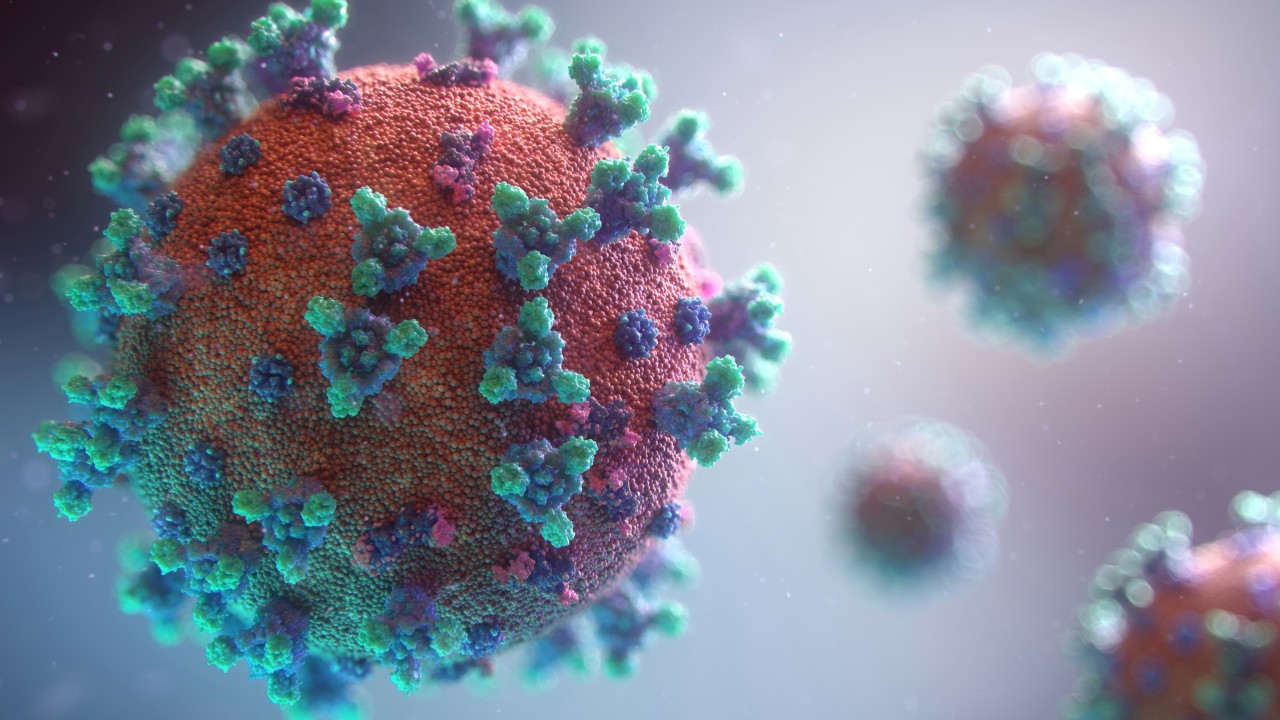
Hantavirus has recently returned to international headlines following reports of severe respiratory infections linked to a cruise ship outbreak monitored by global health authorities. The World Health Organization announced on May 2, 2026, that several passengers onboard a cruise vessel had developed serious respiratory illnesses later connected to hantavirus infections.
Although hantavirus infections remain relatively rare, the disease can become severe and potentially life-threatening in some patients. The virus has attracted growing attention due to its ability to cause serious lung complications and, in rare cases, spread between humans.
Medical experts continue to emphasize that the overall risk to the general population remains low. However, understanding how hantavirus spreads, recognizing its symptoms, and knowing how the disease is diagnosed and treated are essential for public health awareness.
Hantavirus belongs to a family of viruses known as Hantaviridae and is classified as a zoonotic disease, meaning it is transmitted from animals to humans. Rodents are the primary carriers of the virus, and human infections generally occur through exposure to contaminated environments.
As international travel, environmental changes, and human interaction with wildlife continue increasing worldwide, health organizations are paying closer attention to diseases that can jump from animals to humans.
How Hantavirus Spreads From Animals to Humans
Hantavirus infections are mainly associated with rodents, particularly wild rats and mice carrying the virus without appearing sick themselves. Humans become infected after coming into contact with the urine, saliva, or droppings of infected rodents.
In many cases, transmission occurs when virus particles become airborne and are inhaled by people in enclosed or contaminated environments. Cleaning poorly ventilated areas such as sheds, storage units, barns, basements, or abandoned buildings can significantly increase exposure risk.
Although less common, hantavirus can also spread through direct bites from infected rodents.
People working in agriculture, forestry, farming, pest control, and outdoor occupations often face higher exposure risks because they are more likely to encounter rodent-infested environments. Campers, hikers, and individuals staying in rural cabins or poorly maintained structures may also be vulnerable under certain conditions.
One of the most concerning forms of the disease is associated with the Andes strain of hantavirus, found primarily in South America. Unlike most hantaviruses, the Andes variant has demonstrated the rare ability to spread between humans through prolonged close contact.
Health experts stress that person-to-person transmission remains extremely uncommon and has only been documented in limited situations involving close family members or caregivers during the early stages of illness.
Despite these rare cases, hantavirus is not considered highly contagious like influenza, COVID-19, or measles.
Early Symptoms of Hantavirus Infection
One of the major challenges with hantavirus infections is that early symptoms often resemble many other common viral illnesses. This similarity can make early diagnosis difficult, especially during flu season or outbreaks of respiratory diseases.
Symptoms generally appear between one and eight weeks after exposure to the virus.
The first signs of infection often include:
- Fever
- Severe headache
- Muscle pain
- Fatigue
- Abdominal pain
- Nausea
- Vomiting
In many patients, these symptoms initially appear mild and non-specific. However, the condition can worsen rapidly depending on the strain involved and the patient’s overall health condition.
Because the symptoms overlap with influenza, COVID-19, viral pneumonia, dengue fever, and other infectious diseases, doctors often rely heavily on travel history, occupational exposure, and environmental risk factors when evaluating suspected cases.
Prompt medical evaluation becomes especially important if respiratory symptoms begin developing after possible exposure to rodents or contaminated environments.
Two Major Forms of Hantavirus Disease
Health specialists classify hantavirus infections into two major clinical syndromes, each associated with different geographic regions and symptoms.
Hantavirus Pulmonary Syndrome (HPS)
Hantavirus Pulmonary Syndrome, also known as HCPS, is primarily found in North America, Central America, and South America. This form of the disease affects the lungs and respiratory system.
As the illness progresses, patients may develop:
- Persistent cough
- Difficulty breathing
- Fluid accumulation in the lungs
- Severe respiratory distress
- Low oxygen levels
- Shock
In serious cases, the lungs rapidly fill with fluid, making breathing extremely difficult and requiring emergency intensive care treatment.
The Andes virus strain responsible for several recent international concerns belongs to this category. It is also the only hantavirus strain known to spread between humans under rare circumstances.
Without rapid medical intervention, severe pulmonary hantavirus infections can become fatal.
Hemorrhagic Fever With Renal Syndrome (HFRS)
The second major form of the disease, Hemorrhagic Fever with Renal Syndrome, occurs mainly in Europe and Asia.
This form typically affects the kidneys and circulatory system, causing symptoms such as:
- Low blood pressure
- Bleeding abnormalities
- Kidney dysfunction
- Reduced urine production
- Internal vascular complications
Patients with severe renal involvement may require hospitalization and kidney support therapies.
The severity of illness varies significantly depending on the specific virus strain and the patient’s immune response.
Why Diagnosing Hantavirus Can Be Difficult
Diagnosing hantavirus infections early remains one of the biggest challenges for healthcare professionals because the symptoms closely resemble those of many other viral diseases.
Doctors usually begin with a detailed medical history, focusing on possible exposure to rodents, recent travel history, occupational risks, and environmental conditions.
Laboratory testing plays a crucial role in confirming infection.
Specialized blood tests can detect antibodies produced by the immune system in response to hantavirus exposure. Doctors often look for increasing levels of specific IgG antibodies, which help confirm recent infection.
In the early acute stage of illness, molecular testing methods such as Reverse Transcription Polymerase Chain Reaction (RT-PCR) may identify viral RNA circulating in the bloodstream.
RT-PCR testing is especially useful because it can detect the virus before the immune system produces a strong antibody response.
Due to the complexity of diagnosis, suspected cases are often managed with strict infection control procedures until laboratory confirmation becomes available.
Public health authorities also conduct contact tracing and monitoring during outbreaks to prevent further spread.
Is There a Cure or Vaccine for Hantavirus?
Currently, there is no specific antiviral medication approved to cure hantavirus infection. Treatment mainly focuses on managing symptoms and supporting vital organ functions while the body fights the virus.
Patients with severe respiratory complications often require hospitalization, oxygen therapy, or mechanical ventilation in intensive care units.
In cases involving kidney complications, supportive renal treatment may become necessary.
Because there is no vaccine currently available for widespread public use, prevention remains the most important defense against hantavirus infection.
Health authorities recommend several preventive measures, including:
- Avoiding contact with rodents and their droppings
- Properly ventilating closed spaces before cleaning
- Using gloves and masks when handling contaminated areas
- Maintaining clean living and storage environments
- Sealing homes and buildings against rodent entry
During outbreaks, public health officials may also implement isolation procedures, monitor close contacts, and enforce enhanced hygiene protocols.
Basic preventive strategies such as handwashing, respiratory protection, and environmental sanitation remain highly effective in reducing infection risk.
Global Health Authorities Continue Monitoring Hantavirus Risks
Although hantavirus outbreaks are relatively rare compared to other infectious diseases, health agencies worldwide continue monitoring cases closely due to the virus’s potentially severe complications.
The recent cruise ship outbreak demonstrated how quickly public concern can escalate when infectious diseases emerge in international travel settings.
Experts emphasize that while hantavirus can cause serious illness, it does not spread easily among humans, and widespread outbreaks remain unlikely.
Public awareness, rapid diagnosis, early supportive treatment, and effective prevention strategies continue to be the most important tools for controlling the disease.
As global health systems strengthen surveillance for emerging zoonotic diseases, hantavirus remains an important example of how human interaction with wildlife and changing environmental conditions can influence future public health risks.
About The Author