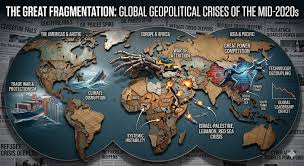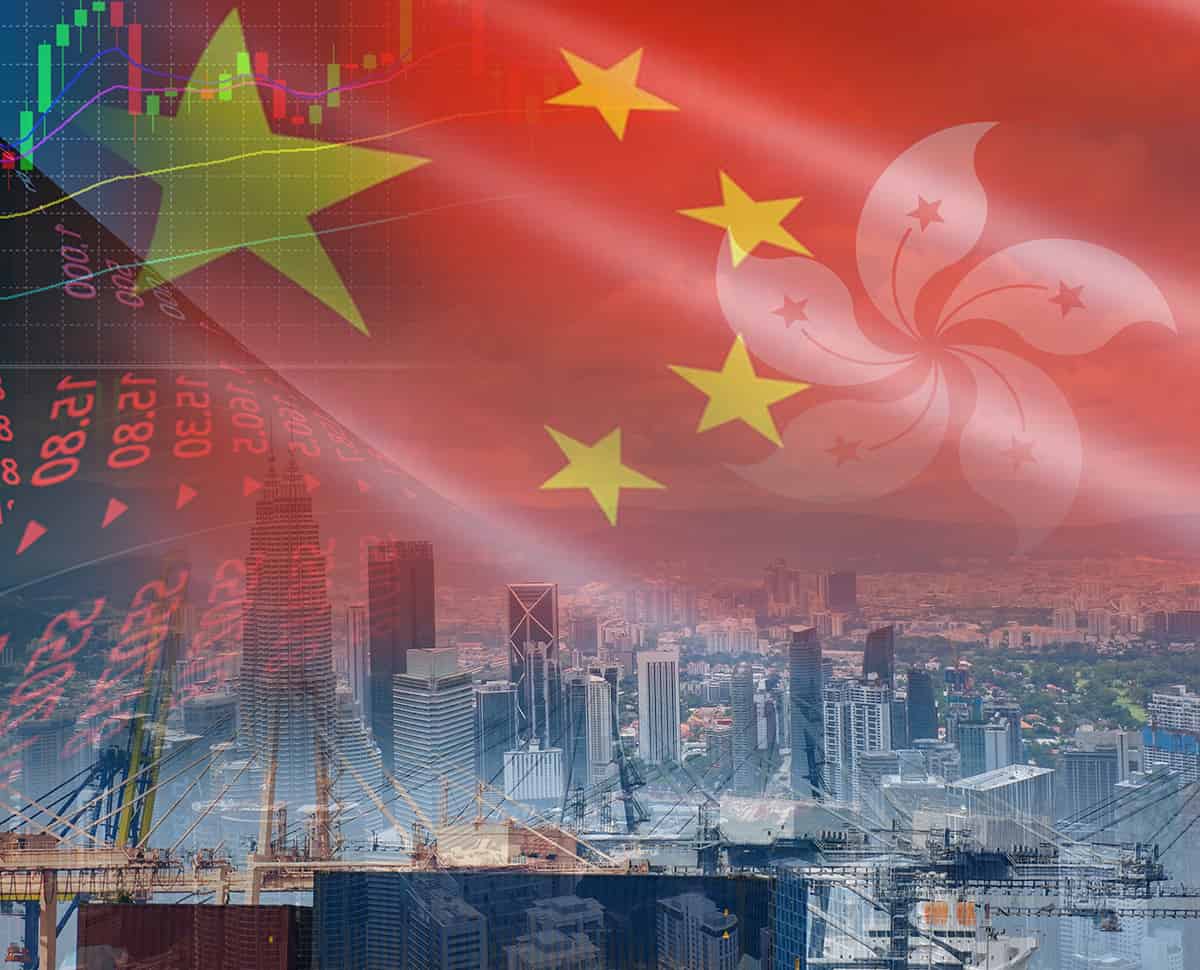
China’s industrial economy is facing renewed inflationary pressure as factory-gate prices rose to their highest level in nearly four years. The sharp increase is being driven primarily by elevated global energy costs linked to geopolitical tensions in the Middle East, particularly disruptions affecting oil supply routes and production expectations.
According to official data, China’s Producer Price Index (PPI) climbed significantly in April, marking a 45-month high and exceeding market expectations. While the increase signals rising costs for manufacturers, analysts caution that it does not necessarily indicate a broad-based recovery in domestic demand.
Instead, the inflation spike appears to be driven largely by external cost pressures rather than internal economic strength, creating a complex environment for policymakers already managing weak consumption and a prolonged property sector slowdown.
Energy Prices Drive Up Factory Costs Across Key Sectors
The primary driver behind China’s rising producer inflation is the surge in global energy prices. Oil, gas, and related commodities have become significantly more expensive due to geopolitical instability and supply disruptions.
These rising input costs are feeding directly into industrial production expenses, particularly in energy-intensive sectors such as:
- Oil and gas processing
- Non-ferrous metals
- Industrial manufacturing
- Technology equipment production
As a result, factory-gate prices are increasing even though demand conditions inside China remain relatively weak.
Statistical agencies have attributed much of the inflation rise to external cost shocks rather than domestic consumption recovery. This distinction is important because it suggests inflation is being imported into the economy rather than generated by stronger internal economic activity.
On a month-to-month basis, producer prices also showed a notable increase, reinforcing concerns that energy-driven inflationary pressures may persist in the near term.
Consumer Inflation Rises but Demand Remains Weak
While factory prices surged, consumer inflation also increased modestly. The Consumer Price Index (CPI) rose year-on-year, reflecting higher costs in categories such as fuel and precious metals.
1.2%
However, underlying demand conditions remain fragile. Core inflation, which excludes volatile food and energy prices, showed only a slight increase, indicating that consumer spending is still relatively subdued.
1.2%
One of the key drags on overall consumption continues to be weak household confidence, influenced by:
- A prolonged property market downturn
- Sluggish wage growth
- Job market uncertainty
- High household savings behavior
Food prices also declined, particularly due to falling pork prices, which remain a major component of China’s consumer inflation basket. This helped offset some of the upward pressure from energy and imported cost shocks.
Overall, the consumer inflation picture remains mixed, with modest price increases driven by external factors rather than strong domestic demand.
Deflation Risks Still Linger Beneath the Surface
Despite recent inflation gains, China’s economy is still grappling with underlying deflationary pressures. For more than a year, producer prices had been in negative territory before recently turning positive.
This extended period of falling factory prices reflected:
- Excess industrial capacity
- Weak domestic consumption
- Intense price competition among manufacturers
- Slow recovery in key property-linked sectors
Although recent energy price increases have lifted headline inflation figures, analysts warn that structural deflation risks have not fully disappeared.
Many industrial sectors continue to struggle with overcapacity, meaning that supply still exceeds demand in several key areas of the economy. This limits pricing power for manufacturers and constrains long-term inflation growth.
Policy Response Remains Limited Despite Inflation Spike
Economists expect that the recent rise in inflation is unlikely to trigger aggressive policy changes from Chinese authorities.
Because the current inflation surge is largely driven by external cost shocks rather than internal demand strength, policymakers are not expected to tighten monetary conditions significantly.
In fact, inflation driven by higher energy prices may reduce pressure on Beijing to introduce additional stimulus measures, since rising prices partially offset deflation concerns.
However, policymakers continue to face a delicate balancing act between:
- Supporting weak domestic demand
- Managing industrial overcapacity
- Stabilizing employment
- Controlling inflation expectations
China has already implemented measures aimed at curbing excessive competition in industries such as solar panels and electric vehicles, where price wars have eroded profitability.
At the same time, authorities remain focused on supporting consumption and stabilizing economic growth amid ongoing global uncertainty.
Energy Market Shocks Are Driving Global Spillovers
China’s inflation dynamics are closely tied to global energy markets, which have become increasingly volatile due to geopolitical tensions and supply chain disruptions.
Rising oil prices have had widespread effects, including:
- Higher transportation costs
- Increased airline fuel surcharges
- Elevated industrial production costs
- Rising retail energy prices
Inflation=Energy Cost Shock+Supply Pressure−Weak Demand Offset
Although China maintains significant energy reserves and diversified supply sources, it remains exposed to global price fluctuations. This is particularly true for imported energy inputs that directly influence manufacturing and transportation costs.
The impact of energy inflation is also being felt in global trade flows, as higher production costs influence export competitiveness and pricing strategies across industries.
China’s Export Sector Remains a Key Stabilizing Force
Despite domestic economic challenges, China’s export sector continues to show resilience. External demand for industrial goods, particularly those linked to advanced technology and artificial intelligence supply chains, has helped offset weak internal consumption.
AI-related manufacturing, in particular, has supported export growth by increasing demand for:
- Semiconductor components
- Advanced electronics
- Industrial machinery
- Data infrastructure equipment
This export strength has provided some cushioning against domestic economic weakness, helping stabilize overall growth.
However, reliance on external demand also exposes China’s economy to global trade risks, particularly if international demand slows or geopolitical tensions escalate further.
Conclusion: Inflation Rises, but Economic Recovery Remains Uneven
China’s surge in factory inflation to a 45-month high highlights the growing influence of global energy shocks on domestic economic conditions. While rising producer and consumer prices signal cost pressures across the economy, they do not necessarily reflect a strong recovery in underlying demand.
Instead, the current inflation trend is largely driven by external factors, while internal consumption and industrial demand remain relatively weak.
This creates a complex economic environment in which inflation is rising, but deflation risks have not fully disappeared. For policymakers, the challenge will be balancing support for growth with stability in prices and industrial output.
As global energy markets remain volatile and geopolitical risks persist, China’s inflation outlook is likely to remain highly sensitive to external shocks in the months ahead.
About The Author