SpaceX Stock Records First Decline Since Historic Market Debut
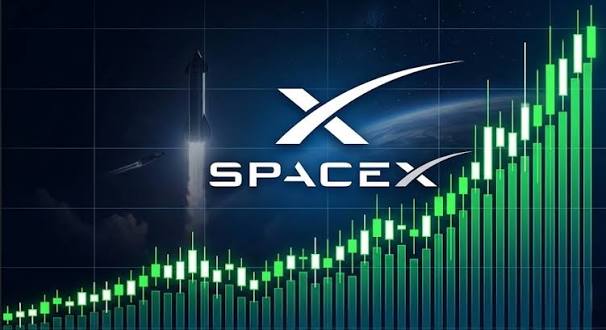
SpaceX shares experienced their first significant setback since the company’s highly anticipated stock market debut, ending a remarkable three-day rally that had propelled the aerospace and artificial intelligence giant into the ranks of the world’s most valuable publicly traded companies.
The stock closed nearly 5% lower, marking the first notable decline since trading began. Despite the pullback, SpaceX remains substantially above its initial public offering price, having previously gained approximately 58% during its first few sessions on the market.
The decline comes after a stunning start that captured the attention of both Wall Street and retail investors worldwide. During the previous trading session, SpaceX briefly surpassed some of the largest technology companies in the world in terms of market capitalization, highlighting the extraordinary demand surrounding Elon Musk’s latest public company.
Market observers are now closely watching whether the early momentum that fueled the stock’s rapid rise can continue as investors reassess the company’s valuation and future growth prospects.
Retail Investors Drive Unprecedented Buying Activity
One of the most remarkable aspects of SpaceX’s market debut has been the overwhelming support from individual investors. Since the first day of trading, retail traders have consistently ranked SpaceX as their most purchased stock, surpassing many of the market’s traditional favorites.
Investment data indicates that retail buying activity reached extraordinary levels during the company’s opening sessions. The amount of capital flowing into SpaceX shares significantly exceeded purchases of well-known technology stocks and major exchange-traded funds that typically dominate retail trading activity.
Analysts describe the level of enthusiasm as exceptional, even when compared to previous high-profile IPOs. The combination of Elon Musk’s global reputation, the company’s leadership in space technology, and growing involvement in artificial intelligence has created a powerful narrative that continues to attract investors.
Many retail traders view SpaceX as a long-term growth opportunity, betting that the company can leverage its expertise in rocket launches, satellite networks, defense technology, and AI-driven innovations to generate substantial future revenue.
However, the recent decline suggests that some investors may be beginning to lock in profits after the stock’s rapid appreciation.
Market Valuation Reaches Extraordinary Levels
Before Wednesday’s decline, SpaceX had achieved one of the most impressive IPO performances in recent memory. The company’s market value surged rapidly, allowing it to overtake several established corporate giants.
At various points during trading, SpaceX moved ahead of major technology leaders in overall market capitalization, reflecting the extraordinary expectations investors have placed on the company.
The rapid rise has sparked debate among analysts regarding whether current valuations accurately reflect the company’s financial performance and long-term growth potential. Supporters argue that SpaceX operates in multiple high-growth industries, including aerospace, defense, satellite communications, artificial intelligence, and advanced manufacturing.
Critics, however, caution that investor excitement may have pushed the stock beyond levels supported by current business fundamentals.
Valuation concerns are common following highly anticipated IPOs, particularly when strong retail participation contributes to significant price swings during the early stages of public trading.
The latest decline may represent a natural cooling period as the market attempts to establish a more sustainable valuation range.
Limited Share Availability Amplifies Price Volatility
A major factor behind SpaceX’s dramatic stock movements is the relatively small number of shares currently available for public trading.
Only a limited percentage of the company’s total shares entered the market following the IPO, creating what investors refer to as a “low float” situation. When supply is restricted and demand is exceptionally high, stock prices can move rapidly in either direction.
The limited availability of shares amplified buying pressure during the first few trading sessions, helping fuel the stock’s explosive gains. However, the same dynamics can also increase downside volatility when investor sentiment shifts.
Market experts note that low-float stocks frequently experience larger price fluctuations than more established companies with broader shareholder bases.
As trading volumes normalize and additional shares potentially become available in the future, volatility may begin to moderate.
For now, SpaceX remains one of the most actively watched stocks in global financial markets.
Insider Share Lockups Could Create Future Selling Pressure
While retail investors have largely focused on the company’s growth story, professional market participants are increasingly paying attention to upcoming lockup expirations.
IPO lockup agreements typically prevent company insiders, executives, and early investors from selling their shares immediately after a public offering. These restrictions are designed to stabilize trading during the initial period following an IPO.
As those agreements begin to expire over the coming months, a larger number of shares could enter the market. The increase in supply may create additional selling pressure if insiders choose to realize gains following the company’s strong market debut.
Historically, lockup expirations have sometimes led to short-term stock price weakness, particularly for companies that experienced significant post-IPO rallies.
Investors will closely monitor insider activity as an important indicator of confidence in the company’s future prospects.
Options Market Signals Growing Caution
Another sign of changing investor sentiment has emerged in the options market, where traders are increasingly using contracts to hedge against potential downside risks.
Options trading linked to SpaceX began shortly after the stock’s public debut and quickly generated substantial activity. Early trading was dominated by bullish positions that reflected expectations of continued gains.
However, market data suggests a gradual shift in sentiment as more investors began purchasing put options. These contracts are commonly used either to protect existing investments from losses or to speculate on future price declines.
The increase in protective trading strategies indicates that some market participants believe the stock’s extraordinary rally may face challenges in maintaining its momentum.
While optimism remains strong overall, the rise in bearish positioning highlights growing awareness of the risks associated with highly valued growth stocks.
Elon Musk’s Influence Continues to Attract Investors
Much of SpaceX’s appeal continues to stem from the leadership and reputation of Elon Musk, one of the most influential figures in the global technology sector.
Musk’s track record of disrupting established industries has attracted a loyal following among investors who view his companies as long-term innovation leaders. His involvement has helped generate widespread public interest in SpaceX’s public debut.
The company’s ambitious projects, including advanced rocket systems, satellite internet infrastructure, artificial intelligence initiatives, and government defense contracts, have reinforced expectations of substantial future growth.
Many investors see SpaceX as more than an aerospace company, viewing it as a diversified technology powerhouse positioned to benefit from several transformative global trends.
This perception has played a significant role in driving demand for the stock and supporting its elevated valuation.
What Comes Next for SpaceX Shares?
The first post-IPO decline represents an important moment for SpaceX investors, but it does not necessarily signal the end of the company’s strong market performance.
Short-term volatility is common following major public offerings, particularly when investor enthusiasm reaches extreme levels. The coming weeks will likely provide a clearer picture of whether SpaceX can sustain its valuation and continue attracting new buyers.
Several factors will influence the stock’s future direction, including earnings performance, new business developments, defense contracts, satellite expansion projects, and broader market conditions.
Retail investor participation is expected to remain a key driver of price movements, while institutional investors may become increasingly influential as trading matures.
Although Wednesday’s decline interrupted the company’s remarkable winning streak, SpaceX remains one of the most closely watched growth stocks in the world. Investors will now be looking for signs that the company can justify the enormous expectations that accompanied its historic entrance into public markets.
About The Author