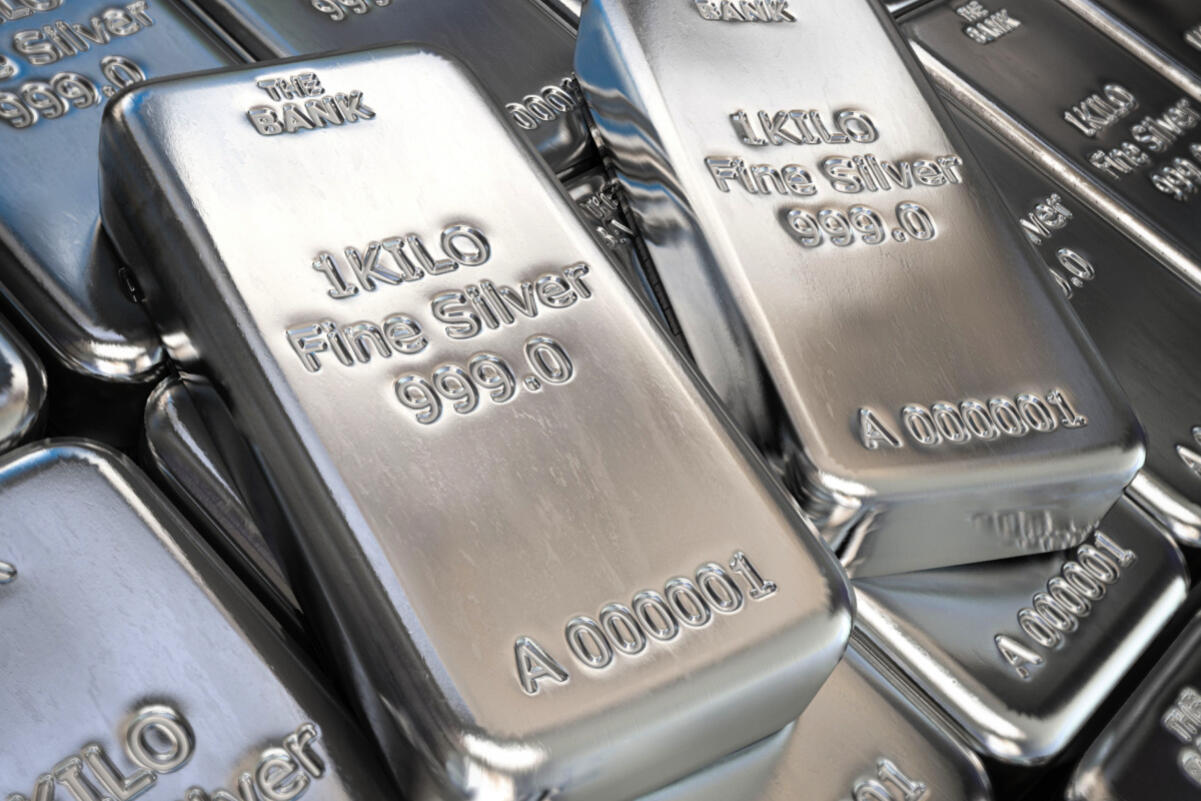
Gold has traditionally dominated the precious metals investment market, attracting investors looking for stability during uncertain economic periods. However, gold is not the only metal capable of protecting wealth or enhancing portfolio diversification. In recent years, other precious metals—particularly silver, platinum, and palladium—have gained popularity among investors seeking alternative assets.
These metals offer unique characteristics and opportunities that differ from gold. Each has its own market dynamics, industrial applications, and price drivers. While they can provide diversification benefits, they also carry specific risks that investors must understand before adding them to a portfolio.
Investing in precious metals beyond gold requires careful research and a structured approach. By understanding how these metals behave, the available investment options, and the strategic role they can play in a portfolio, investors can make more informed decisions.
The following guide outlines three practical steps to help investors explore opportunities in silver, platinum, and palladium.
Step 1: Understand the Risks, Market Drivers, and Investment Purpose
Precious metals are considered alternative assets, meaning they respond to economic conditions differently from traditional investments such as stocks and bonds. This characteristic makes them valuable for diversification, but it also means their price movements can be unpredictable.
Before investing, it is important to examine the primary uses, risks, and factors influencing the value of each metal.
Investing in Silver
Silver is one of the most versatile precious metals available to investors. It serves both as an investment asset and as a critical component in numerous industrial applications.
Physical silver is commonly purchased in the form of coins, bullion bars, jewelry, decorative items, and household silverware. Beyond investment demand, silver is widely used in industries such as electronics manufacturing, automotive production, medical equipment, and solar panel technology.
Risks of Silver Investment
Silver tends to be more volatile than gold. Its price can fluctuate significantly due to changes in industrial demand, economic conditions, and supply disruptions. Additionally, silver markets are generally less liquid than gold markets, which means it may be slightly harder to convert large holdings into cash quickly.
Growth Drivers
The price of silver is heavily influenced by industrial demand. As industries expand—particularly in renewable energy and electronics manufacturing—demand for silver can increase significantly. Supply constraints, economic instability, and inflation concerns can also drive silver prices higher.
Investment Role
Silver is often considered a hybrid asset. It offers both inflation protection and exposure to industrial growth sectors. For investors seeking a combination of defensive and growth-oriented characteristics, silver can be an appealing addition to a diversified portfolio.
Investing in Platinum
Platinum is significantly rarer than both gold and silver, making it an intriguing option for investors interested in scarce resources. This metal is widely known for its use in high-end jewelry, but its most critical role lies in industrial applications.
One of platinum’s primary uses is in the manufacturing of catalytic converters, devices that reduce harmful emissions from gasoline-powered vehicles. As environmental regulations become stricter worldwide, platinum demand may increase due to its role in emission-control technology.
Risks of Platinum Investment
Platinum prices can be more volatile than both gold and silver. One reason is that its global supply is highly concentrated in a few regions, particularly South Africa. Political instability, labor disputes, or mining disruptions in these areas can dramatically impact supply and pricing.
Platinum markets also tend to have lower liquidity compared to gold markets, meaning trading volumes may be smaller and price swings larger.
Growth Drivers
The primary drivers of platinum prices include industrial demand, automotive production levels, and environmental regulations related to emissions. Additionally, the transition toward cleaner energy technologies may increase platinum usage in certain fuel cell technologies.
Investment Role
Platinum can serve as a long-term diversification asset. Some analysts consider it an undervalued metal due to its scarcity and growing role in energy transformation technologies.
Investing in Palladium
Palladium belongs to the platinum-group metals (PGM) and shares several chemical characteristics with platinum. However, palladium is lighter, more resistant to high temperatures, and even rarer than platinum.
Like platinum, palladium is widely used in catalytic converters to reduce vehicle emissions. Automotive manufacturers frequently use both metals together to meet environmental standards.
Risks of Palladium Investment
Palladium is known for its extremely volatile price movements. Because demand is closely tied to the automotive industry, changes in vehicle production levels can dramatically affect prices.
Geopolitical factors also play a major role. Much of the world’s palladium supply comes from Russia and South Africa, making the market sensitive to political tensions or supply disruptions.
Additionally, palladium markets are less liquid than those of other precious metals, which can amplify price swings.
Growth Drivers
Automotive manufacturing is the most important driver of palladium demand. Other factors include electronics production, clean energy technology development, and jewelry manufacturing.
Investment Role
Due to its volatility and lower liquidity, palladium is often viewed as a short-term trading opportunity rather than a long-term holding. Investors who are comfortable with significant price swings may attempt to profit from sharp market movements.
Step 2: Explore the Different Ways to Invest in Precious Metals
Investors can gain exposure to silver, platinum, and palladium through physical assets or digital financial instruments. Each approach offers different advantages and challenges.
Digital Investment Options
Digital investment products allow investors to gain exposure to precious metals without storing physical assets.
Precious Metals Basket Funds
Basket funds invest in multiple metals simultaneously, providing broader diversification than single-metal investments. These funds typically track the performance of several precious metals based on benchmark pricing from global bullion markets.
By investing in a basket fund, investors can gain exposure to silver, platinum, palladium, and sometimes gold within a single investment product.
Single-Metal Exchange-Traded Funds (ETFs)
Single-metal ETFs track the performance of one specific metal. For example, silver ETFs follow the price of silver bullion.
These funds offer high liquidity and can be easily traded through brokerage accounts, making them convenient for investors who want simple exposure to precious metals.
Futures Contracts
Futures contracts allow investors to agree to buy or sell a specific amount of metal at a predetermined price on a future date.
While futures trading offers significant leverage, it also carries substantial risk. Small price changes can produce large profits or losses, making futures more suitable for experienced investors.
Mining Stocks
Investing in mining companies provides indirect exposure to precious metals. Mining stocks often react strongly to changes in metal prices, sometimes rising faster than the metals themselves during bull markets.
However, mining companies also face operational risks, including production costs, labor issues, and environmental regulations.
Physical Precious Metals
Physical ownership remains one of the oldest and most traditional ways to invest in precious metals.
Investors can purchase metals in the form of:
- Bullion bars
- Investment-grade coins
- Jewelry
- Collectible pieces
Physical ownership offers the benefit of direct control over the asset. However, investors must consider storage, security, and insurance costs. Physical metals can also be less liquid than digital assets because selling them typically requires working with dealers.
Step 3: Define Your Investment Goal and Allocation
The final step in precious metals investing is determining why you want to own these assets and how much to allocate to them within your portfolio.
Two common strategies guide most precious metals investments.
Diversification Strategy
Long-term investors often use precious metals to diversify portfolios and reduce risk. Because metals tend to have low correlation with stocks and bonds, they can help offset losses during market downturns.
Silver, platinum, and palladium may rise in value during inflationary periods or economic instability, helping maintain purchasing power.
Many financial advisors recommend allocating 3% to 5% of a portfolio to a combination of these metals for diversification purposes.
Short-Term Trading Strategy
Some investors pursue short-term gains by trading precious metals based on market movements. This strategy requires advanced knowledge, strong risk tolerance, and the ability to handle significant volatility.
Among the three metals, silver is generally considered the least risky for short-term trading, while palladium is often the most volatile.
Because of the high risk involved, investors should limit short-term allocations to funds they can afford to lose.
Final Thoughts: Are Silver, Platinum, and Palladium Worth Investing In?
Silver, platinum, and palladium provide compelling alternatives to gold for investors interested in precious metals. Each metal offers unique characteristics, industrial uses, and market drivers that can enhance portfolio diversification.
Silver provides a balance between industrial demand and inflation protection. Platinum offers scarcity and potential long-term value tied to energy and environmental technologies. Palladium presents high-risk, high-reward opportunities driven largely by automotive demand.
While these metals can play valuable roles in an investment portfolio, they should be approached with careful research and disciplined allocation strategies. By understanding the risks, choosing the right investment vehicles, and defining clear financial goals, investors can use precious metals effectively to strengthen their long-term financial strategies.
About The Author