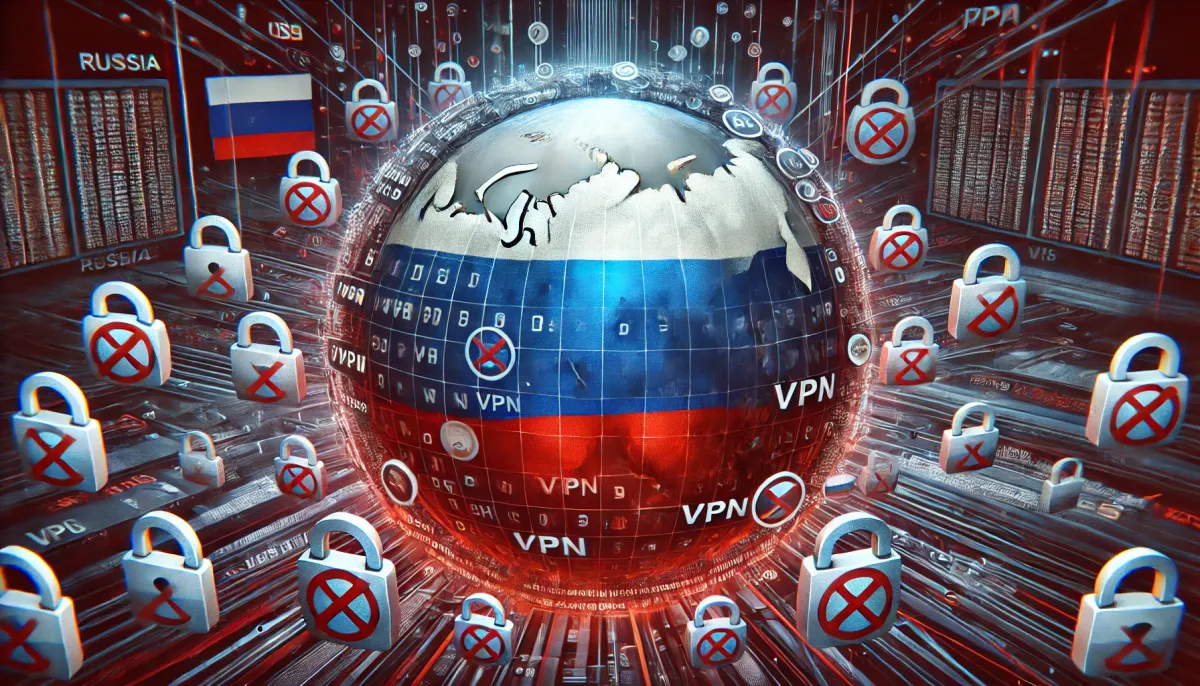
Russia is increasing its efforts to restrict the use of virtual private networks (VPNs), signaling a new phase in the country’s growing control over internet access. Millions of Russian citizens rely on VPN services to bypass government censorship and reach websites or platforms that are blocked within the country. However, government officials are now working to significantly reduce VPN usage as part of a broader strategy to strengthen digital regulation.
The announcement came from Russia’s digital ministry, which confirmed that authorities are preparing additional measures aimed at limiting access to VPN tools and foreign online platforms. The move is part of what many observers describe as a sweeping expansion of government oversight over the Russian internet.
As internet regulations tighten, both citizens and technology companies are watching closely to see how the new restrictions will reshape digital access across the country.
Russia’s Expanding Control Over Online Platforms
Russian authorities have steadily expanded control over the internet during the past several years, particularly following major geopolitical events that intensified the government’s focus on information security and national sovereignty in the digital space.
Officials argue that stricter oversight is necessary to ensure compliance with domestic laws and protect the country from external influence or security threats. As a result, the government has introduced policies that restrict or regulate several international platforms operating within Russia.
In recent developments, authorities have already taken action against major messaging services. Some widely used communication apps have been blocked entirely, while others have experienced slower performance due to technical restrictions imposed by regulators.
These measures have sparked debate about the balance between national security, technological independence, and access to open digital communication.
Why VPNs Have Become a Target
Virtual private networks play a significant role in bypassing internet restrictions. A VPN allows users to connect to servers located in other countries, effectively masking their location and enabling them to access websites or services that might otherwise be blocked locally.
Because of this capability, VPN services have become widely used tools for individuals seeking unrestricted internet access.
From the government’s perspective, however, VPN technology presents a challenge to national internet regulation. When users connect through encrypted foreign servers, authorities may find it difficult to enforce censorship policies or ensure that digital platforms comply with domestic regulations.
As a result, limiting VPN access has become a key priority for regulators attempting to strengthen control over online activity.
Officials have stated that their goal is to reduce VPN usage while minimizing disruption to regular internet users.
Increasing Restrictions on Foreign Digital Services
Alongside efforts to reduce VPN usage, the Russian government is also taking steps to restrict access to certain foreign online platforms.
Authorities have indicated that some international services may be limited or blocked if they fail to comply with Russian laws governing data storage, content moderation, or regulatory oversight.
However, in several cases the government has not publicly disclosed the names of the specific platforms targeted by new restrictions.
This lack of transparency has led to uncertainty among technology companies and internet users about which services could be affected next.
Industry analysts note that the strategy appears to focus on increasing the influence of domestic platforms while reducing reliance on foreign digital infrastructure.
The Role of Internet Restrictions in National Security
Russian officials frequently justify internet controls as part of broader national security efforts.
Authorities argue that regulating digital platforms is necessary to combat misinformation, protect national interests, and maintain stability during times of geopolitical tension.
Government representatives have also stated that temporary internet disruptions or restrictions may be implemented in response to security threats, including drone attacks or cyber operations linked to foreign actors.
These explanations highlight the government’s view that digital networks play an increasingly important role in modern security strategy.
However, critics argue that widespread internet restrictions may also limit freedom of expression and restrict public access to independent sources of information.
The Growing List of Blocked VPN Services
According to reports from Russian media sources, the number of blocked VPN services has increased significantly in recent months.
By early 2026, authorities had reportedly blocked more than 400 VPN tools operating within the country. This figure represents a substantial increase compared with the previous year, reflecting an accelerating effort to eliminate workarounds used to bypass internet restrictions.
Regulators often identify VPN services by analyzing traffic patterns and server connections. Once identified, the services may be blocked through Russia’s national internet filtering system.
Despite these efforts, technology experts note that blocking VPNs completely is extremely difficult due to the decentralized nature of internet infrastructure.
New VPN providers frequently emerge as older ones become unavailable, creating an ongoing cycle of restriction and adaptation.
A Digital “Cat and Mouse” Game
The battle between regulators and internet users has often been described as a continuous cat-and-mouse game.
When authorities block one VPN service, users quickly search for alternatives that restore access to restricted websites or applications. Some users reportedly change VPN providers frequently to maintain uninterrupted connectivity.
This dynamic highlights the challenge governments face when attempting to fully control digital access in a highly interconnected global network.
For many younger internet users in Russia, VPN services have become routine tools for browsing the web, accessing social media, or communicating through international platforms.
As a result, new restrictions may prompt users to adopt alternative technologies designed to circumvent censorship.
The Broader Impact on Russian Internet Users
The tightening of internet regulations could have several consequences for individuals and businesses operating within Russia.
For everyday users, the most immediate impact may involve reduced access to global communication platforms, international news sources, and certain online services.
Entrepreneurs and technology professionals may also face challenges if cross-border digital tools become harder to access.
Some analysts suggest that the restrictions could accelerate the development of domestic alternatives designed specifically for the Russian market.
In recent years, the government has supported initiatives aimed at building a more self-contained digital ecosystem. This approach is sometimes described as the creation of a “sovereign internet,” where national infrastructure and domestic platforms play a dominant role.
The Future of Internet Regulation in Russia
As Russia continues expanding its digital regulatory framework, the future of internet access in the country remains uncertain.
On one hand, authorities appear determined to strengthen oversight over online communication and reduce dependence on foreign platforms. On the other hand, the rapid pace of technological innovation means that new tools for bypassing restrictions will likely continue to emerge.
The ongoing struggle between regulation and technological adaptation may shape the Russian internet landscape for years to come.
For global observers, the situation highlights broader questions about how governments balance cybersecurity, political stability, and digital freedoms in an increasingly connected world.
Understanding the Global Implications
The developments in Russia also reflect a broader global trend in which governments seek greater control over digital infrastructure and online communication.
Across different regions, policymakers are debating how to regulate technology platforms, protect national interests, and manage the flow of online information.
Russia’s latest actions regarding VPN services represent one of the most significant examples of this shift toward tighter internet governance.
As these policies evolve, their impact will extend beyond national borders, influencing international technology companies, cybersecurity strategies, and discussions about the future of the open internet.
The growing crackdown on VPNs demonstrates how digital technologies are becoming central to political, economic, and security strategies worldwide. While governments seek stronger regulatory frameworks, users continue to adapt and explore new ways to maintain access to global information networks.
About The Author