Oil markets are once again reacting sharply to escalating geopolitical tensions in the Middle East. As the risk of a prolonged conflict involving Iran grows, energy traders, policymakers, and consumers alike are closely watching the implications for global oil supply — and ultimately, gasoline prices at the pump.
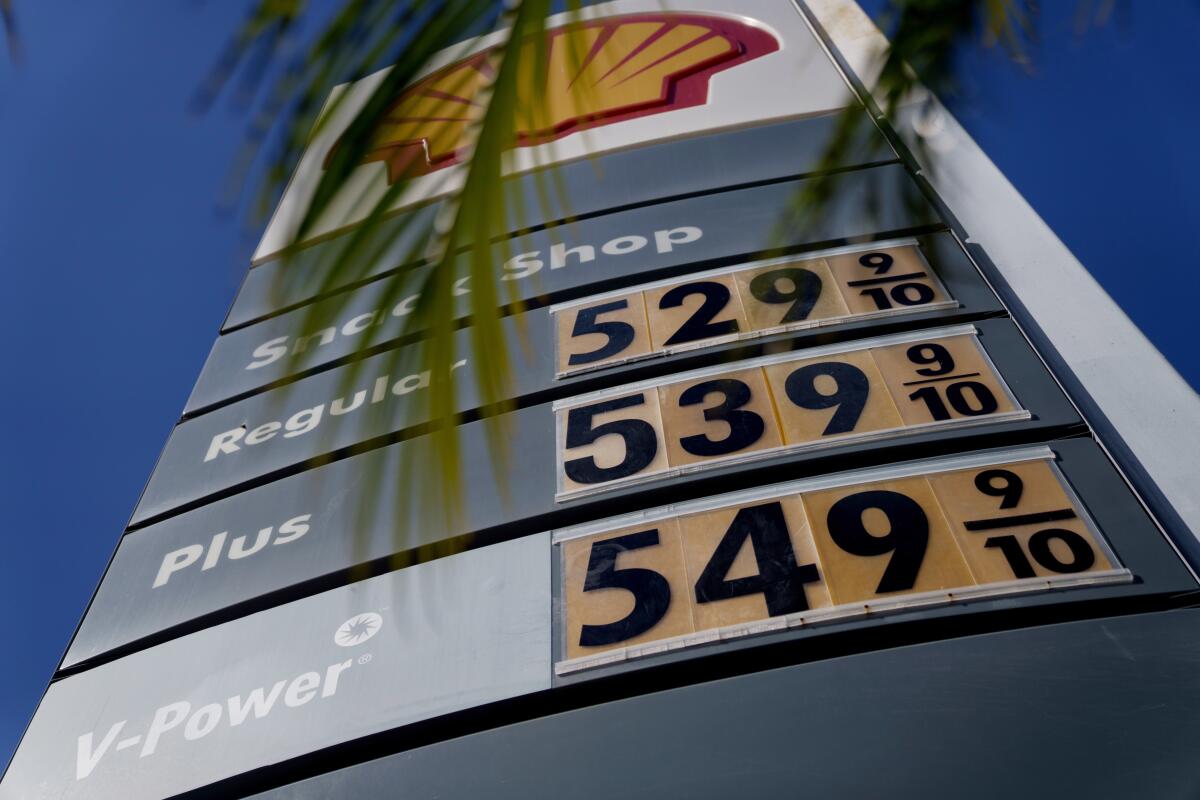
In recent days, U.S. gasoline prices climbed by approximately 10 cents in just 24 hours, nearing $3.11 per gallon. At the same time, oil benchmarks surged. U.S. crude futures, commonly referred to as West Texas Intermediate (WTI), jumped more than 8% to around $72 per barrel. Meanwhile, international benchmark Brent crude initially spiked to $82 per barrel before easing back to roughly $77.
This sudden volatility reflects a familiar pattern in global energy markets: when geopolitical instability threatens oil supply routes, prices react almost immediately. If the conflict deepens or extends over months, the impact on fuel prices could become more sustained and severe.
Why Oil Prices React Instantly to Middle East Conflict
Oil is one of the most globally traded commodities, and its price is heavily influenced by perceived supply risks. Even before any physical disruption occurs, traders factor in potential supply constraints, driving futures contracts higher.
The Middle East plays an outsized role in global oil production. Although the United States is currently the world’s largest oil producer — responsible for roughly 22% of global output — the Middle East collectively accounts for nearly one-third of worldwide production. Iran alone ranks among the top ten oil-producing nations.
The most significant strategic concern is the Strait of Hormuz — a narrow maritime passage between Iran and the United Arab Emirates. Approximately 20% of the world’s oil supply transits through this corridor every day. Any threat to shipping traffic in this area can send shockwaves through global markets.
Following recent military escalations, major shipping operators began rerouting or suspending operations in the region. Iran’s Revolutionary Guard has issued warnings targeting vessels attempting to pass through the strait, increasing fears of a blockade or direct confrontation.
Should traffic through this corridor be significantly disrupted, the effect on crude oil supply chains could be immediate and severe.
Could Oil Prices Surge Above $100 Per Barrel?
Energy analysts caution that a prolonged war scenario could push international oil prices dramatically higher. If Iranian production declines or the Strait of Hormuz becomes inaccessible, Brent crude could exceed $100 per barrel.
Such price levels have historically translated into rapid increases in gasoline costs for consumers. Because oil is priced on a global market, even countries with strong domestic production — such as the United States — are not immune to international supply shocks.
Oil prices are driven by:
- Global supply and demand dynamics
- OPEC production decisions
- Shipping disruptions
- Sanctions and geopolitical developments
- Investor speculation in futures markets
When uncertainty rises, speculative buying often accelerates price movements. This amplifies volatility and can lead to price spikes that outpace actual supply reductions.
In addition to geopolitical factors, the current market is also facing seasonal pressures. Many U.S. refineries are transitioning to summer gasoline blends, which are more environmentally friendly but more expensive to produce. This seasonal shift typically raises gas prices during late spring and early summer — and when combined with geopolitical risks, the upward pressure intensifies.
How Higher Oil Prices Affect U.S. Gasoline Costs
Retail gasoline prices are influenced by several components:
- Crude oil costs (the largest factor)
- Refining expenses
- Distribution and marketing
- Federal and state taxes
When crude oil rises sharply, gas stations often receive price adjustment notices from suppliers within hours. As a result, retail prices can increase within a day.
The national average for regular gasoline recently hovered just below $3.00 per gallon but is now moving back above that threshold. If oil remains elevated or continues climbing, Americans could see sustained higher pump prices over the next several weeks — possibly extending into multiple months.
While the U.S. has become more energy independent compared to the 1970s, global pricing mechanisms still dominate. During the oil embargo era involving OPEC, supply restrictions led to widespread shortages and soaring prices. The 1979 Iranian Revolution triggered additional supply shocks, reinforcing how geopolitical turmoil in the region can ripple worldwide.
Today, although domestic production cushions the blow, the interconnected nature of global energy markets means U.S. consumers remain exposed to international instability.
Broader Economic Implications of Rising Energy Prices
Higher gasoline prices affect more than household transportation budgets. Energy costs influence nearly every sector of the economy, including:
- Freight and logistics
- Airline ticket pricing
- Food distribution
- Manufacturing
- Consumer goods pricing
When fuel becomes more expensive, transportation costs rise, which often results in higher prices for everyday products. This can contribute to inflationary pressures and strain household budgets.
Financial markets also respond to oil volatility. Energy stocks may benefit from rising crude prices, but broader equity markets sometimes decline due to inflation concerns and reduced consumer spending power.
If oil surpasses $100 per barrel, policymakers could face renewed pressure to address fuel affordability through strategic reserve releases, regulatory adjustments, or diplomatic interventions.
What to Watch in the Coming Weeks
The trajectory of gas prices will largely depend on:
- The duration and intensity of the conflict involving Iran
- Shipping activity through the Strait of Hormuz
- Official production statements from OPEC
- U.S. foreign policy responses or sanctions
- Inventory levels reported by energy agencies
If shipping remains partially disrupted but avoids a full blockade, prices may stabilize at moderately higher levels. However, a complete shutdown of transit routes could trigger a dramatic spike.
Energy markets are highly sensitive to perception. Even rumors or threats can move prices significantly before any measurable supply shortage occurs.
Practical Ways to Save Money on Gas During Price Spikes
While consumers cannot control global oil markets, they can take proactive measures to reduce fuel expenses:
1. Fill Up Strategically
If prices are trending upward and your fuel tank is low, filling up sooner rather than later may help avoid higher costs.
2. Compare Local Gas Prices
Mobile applications such as GasBuddy allow users to compare station prices in real time. A few minutes of research can save several cents per gallon.
3. Join Fuel Rewards Programs
Many gas station chains offer loyalty programs that provide per-gallon discounts or cashback rewards.
4. Reduce Discretionary Driving
Carpooling, public transit, biking, and consolidating errands can meaningfully lower monthly fuel expenses during price surges.
5. Maintain Vehicle Efficiency
Proper tire inflation, regular maintenance, and avoiding aggressive driving habits can improve fuel economy by several percentage points.
Final Outlook: Temporary Spike or Prolonged Energy Shock?
The ultimate impact of a potential extended war with Iran will depend on whether tensions escalate into sustained supply disruptions. Short-lived conflicts often produce temporary price spikes followed by stabilization. Prolonged instability, however, can reshape energy markets for months or even years.
For now, oil markets remain on edge. Brent crude’s movement toward the $80 range signals that traders are pricing in meaningful geopolitical risk. If the situation intensifies and oil breaches the $100 threshold, U.S. gasoline prices could climb well above current levels.
Consumers should monitor energy market developments closely. While price volatility is inevitable during geopolitical crises, strategic planning and cost-saving measures can help mitigate the financial impact.
As history has shown, energy markets respond swiftly to instability — and when the Middle East is involved, the effects are rarely contained to one region.
About The Author