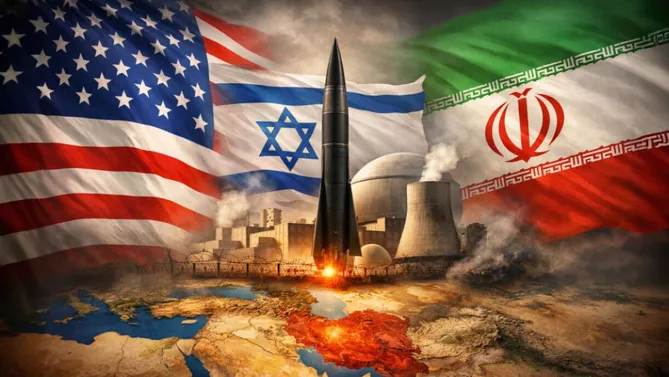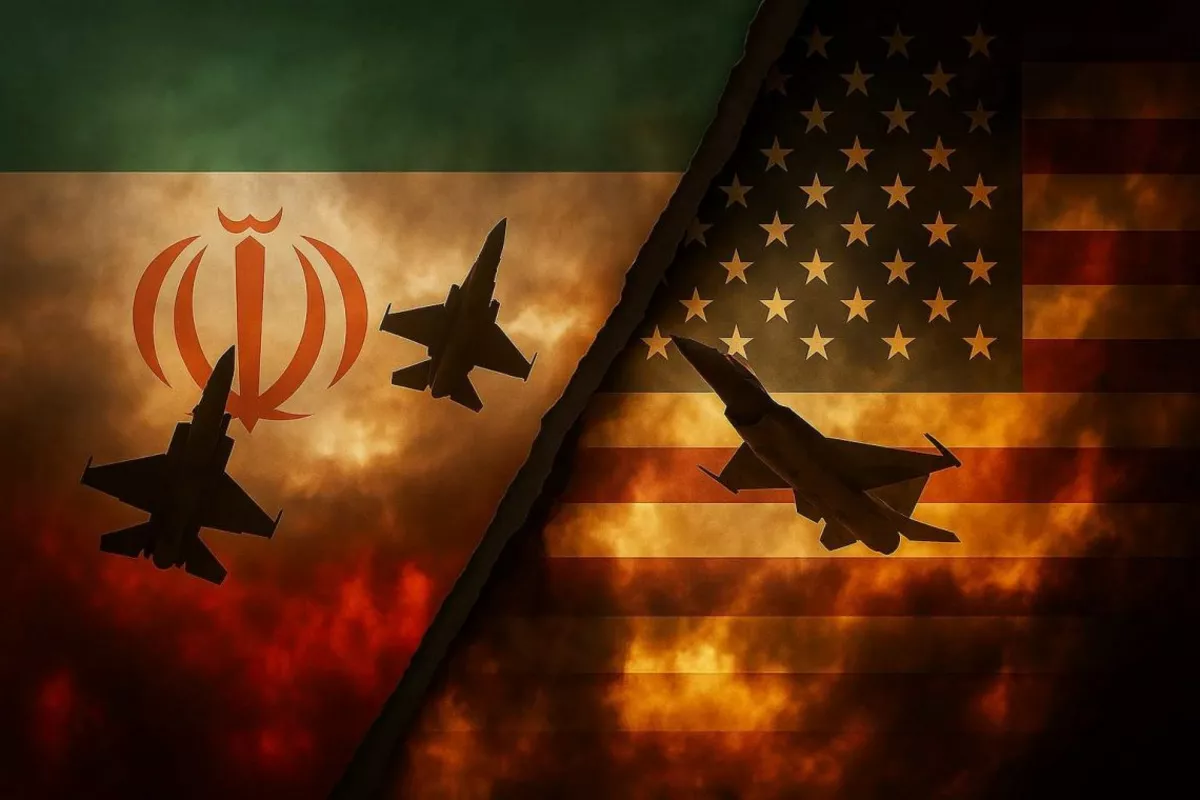
The latest military escalation between the United States, Israel, and Iran has injected a new layer of geopolitical risk into already fragile global financial markets. With energy supply routes under scrutiny, currency markets on edge, and investors repositioning toward safe-haven assets, the ripple effects of this confrontation could be extensive.
Oil markets, equity indices, foreign exchange rates, and bond yields are all poised to react sharply depending on whether the conflict remains contained or expands into a prolonged regional crisis. Below is a structured breakdown of how U.S.–Iran tensions may shape world markets in the coming weeks.
Oil Prices: The Primary Market Barometer
Energy markets serve as the most immediate and sensitive gauge of Middle East instability. Iran is a major oil producer and occupies a strategically critical location along the Strait of Hormuz, through which approximately 20% of global oil supply transits.
Any disruption to shipping routes in this corridor could rapidly constrain global crude supply.
Before the strikes, Brent crude traded around $73 per barrel, already up roughly 20% this year. Analysts suggest that even a contained conflict could push Brent toward $80 per barrel — a level reached during last year’s brief confrontation involving Iran.
However, a prolonged disruption affecting supply flows through the Strait of Hormuz could propel oil prices toward $100 per barrel. Such a spike would likely add between 0.6 and 0.7 percentage points to global inflation, complicating monetary policy decisions worldwide.
Some oil majors and commodity trading houses have reportedly suspended crude and refined fuel shipments through the Strait as a precautionary measure. Even temporary suspensions amplify supply-side risk premiums embedded in oil futures.
Market Volatility Intensifies Across Asset Classes
Global markets were already volatile due to tariff uncertainty and a significant technology sector correction. The escalation with Iran adds another macroeconomic shock layer.
The CBOE Volatility Index (VIX), commonly known as Wall Street’s “fear gauge,” has risen sharply this year. Bond market volatility, measured by the ICE BofA MOVE Index, has also climbed, signaling heightened uncertainty in fixed-income markets.
Geopolitical conflicts introduce several simultaneous risks:
- Energy price shocks
- Inflationary pressure
- Risk-off investor sentiment
- Flight-to-safety capital flows
- Supply chain disruptions
If hostilities persist, expect sustained volatility across equities, commodities, and sovereign debt markets.
Currency Markets: Dollar Strength vs. Safe-Haven Demand
Foreign exchange markets often respond rapidly to geopolitical stress.
During prior Iran-related tensions, the U.S. dollar initially weakened before rebounding. The direction this time may depend on duration and severity.
If oil prices surge due to supply disruption, the U.S. dollar could strengthen. The United States is now a net energy exporter, meaning higher oil prices can improve its trade balance relative to oil-importing economies.
However, traditional safe-haven currencies may outperform the dollar in extreme risk scenarios:
- Swiss franc — widely regarded as a haven asset
- Japanese yen — often appreciates during global stress
The Israeli shekel is particularly vulnerable. In previous episodes of regional escalation, it experienced sharp but short-lived depreciations. Should the current confrontation intensify or expand to include Iran-aligned regional actors, more persistent weakness could emerge.
Safe-Haven Assets: Gold and Treasuries Gain Appeal
Periods of geopolitical conflict historically trigger capital flows into safe-haven instruments.
Gold and Silver
Gold has already experienced a strong rally in 2026, rising more than 20% year-to-date. Renewed military tension may accelerate demand as investors hedge against inflation, currency risk, and equity drawdowns.
Silver may also benefit, though it tends to exhibit higher volatility due to its industrial demand component.
U.S. Treasuries
United States Treasury securities are another traditional refuge. Treasury yields have recently declined, reflecting increased demand for safety. If equity markets decline sharply, further downward pressure on yields is likely.
Bitcoin: A Diverging Narrative
Bitcoin has not behaved as a safe haven in recent months. Instead, it has traded in line with risk assets. Recent declines suggest that in a severe geopolitical shock, digital assets may experience additional downside pressure rather than attract defensive capital.
Middle East Equity Markets: Early Sentiment Indicator
Regional stock exchanges in Saudi Arabia, Qatar, and the United Arab Emirates will offer early signals of investor sentiment.
Saudi Arabia’s benchmark index has already shown weakness in recent sessions. Gulf equity markets are highly correlated with oil prices, but escalation risk could outweigh the benefits of higher crude revenues.
Analysts suggest Gulf equities could fall between 3% and 5% in the short term if hostilities continue.
Airlines and Defense Stocks: Sector Divergence
Airlines Under Pressure
Airspace closures and rerouting across the Middle East create operational strain for global carriers. Rising fuel prices further compress margins.
Airline stocks may face downward pressure if the conflict:
- Expands geographically
- Forces prolonged airspace closures
- Increases jet fuel costs
- Reduces passenger demand due to safety concerns
Defense Stocks May Benefit
European and U.S. defense contractors could see increased investor interest. Heightened military activity often drives expectations of expanded defense spending, lifting sector valuations.
Investors frequently rotate into defense equities during geopolitical crises as governments increase procurement and security budgets.
Inflation and Central Bank Dilemmas
If oil reaches $100 per barrel, global inflation could accelerate. Central banks that were nearing rate-cut cycles may face renewed pressure to maintain tighter monetary policy.
Key implications include:
- Delayed interest rate cuts
- Increased bond market volatility
- Pressure on emerging market currencies
- Slower global growth outlook
The conflict thus carries both supply-side inflation risk and demand-side uncertainty — a difficult combination for policymakers.
Conclusion: A Fragile Market Landscape
The U.S.–Iran escalation represents a significant geopolitical shock with broad macroeconomic consequences. Oil markets remain the primary transmission channel, but secondary effects are already spreading across equities, currencies, commodities, and bonds.
Key variables to monitor include:
- Stability of the Strait of Hormuz
- Duration of military operations
- Oil supply continuity
- Regional involvement beyond Iran and Israel
- Central bank responses to inflationary pressures
If the conflict remains limited, market volatility may prove temporary. However, a prolonged or expanded confrontation could reshape global asset pricing, disrupt trade flows, and complicate economic recovery trajectories.
In the current environment, investors should prepare for heightened volatility, cross-asset correlations, and rapid sentiment shifts driven by geopolitical developments.
About The Author