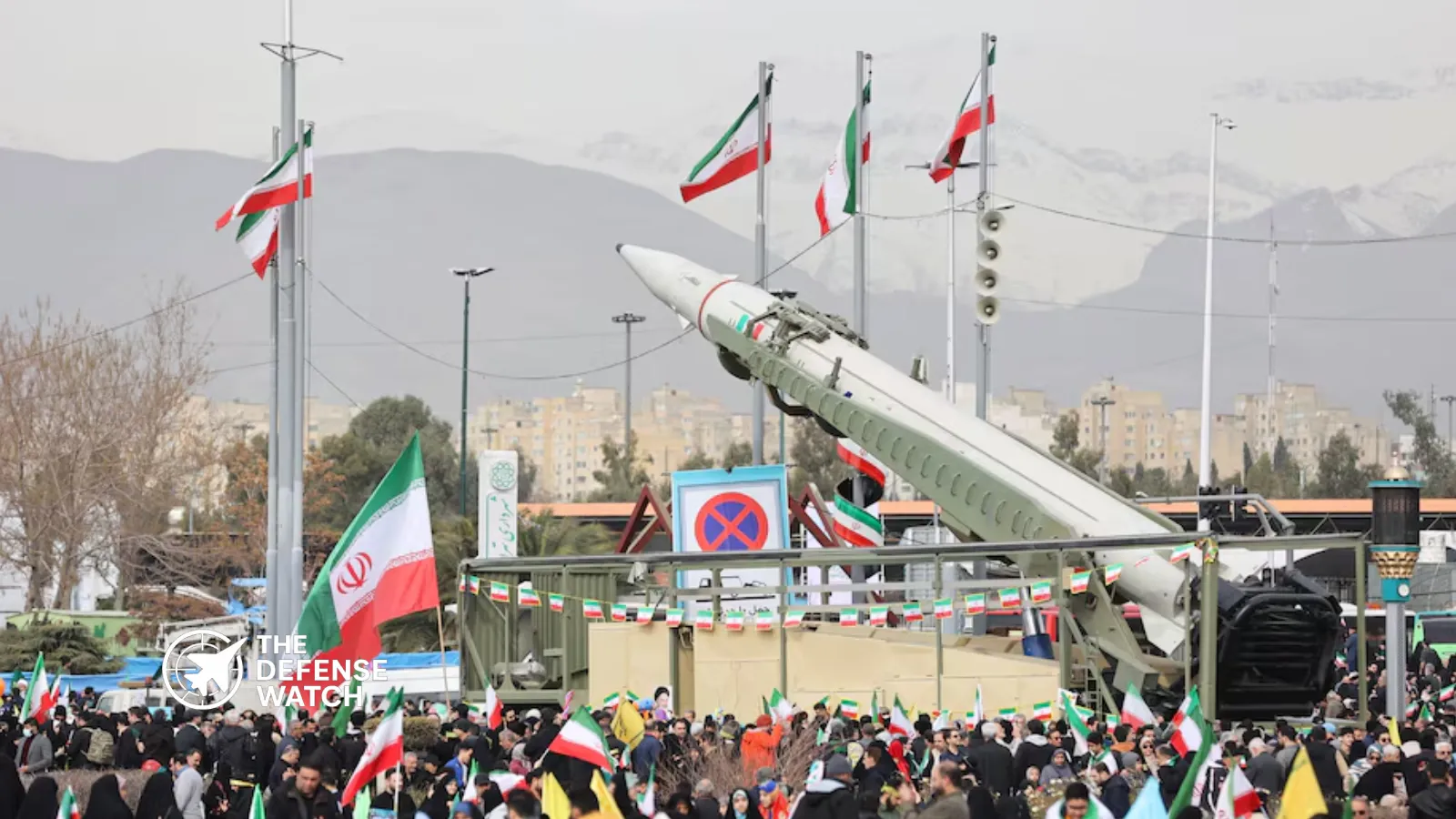
Iran has signaled a willingness to make new concessions on its nuclear program if the United States agrees to lift sanctions and formally recognize Tehran’s right to enrich uranium for peaceful purposes. The latest developments suggest renewed diplomatic maneuvering as both sides attempt to avoid escalating tensions that could lead to military confrontation.
According to a senior Iranian official, Tehran is prepared to take concrete steps to reduce nuclear risks—provided Washington offers meaningful economic relief and acknowledges Iran’s enrichment rights under international frameworks. However, substantial disagreements remain over sanctions relief, sequencing, and broader security concerns.
With regional military assets increasing and rhetoric intensifying, the stakes surrounding the nuclear negotiations have rarely been higher.
Iran Offers New Nuclear Flexibility in Ongoing Talks
The latest proposal marks a shift in tone following two earlier rounds of negotiations that reportedly ended with both sides far apart. Diplomats and analysts now interpret Tehran’s revised position as an effort to keep diplomatic channels open and prevent a potential US military strike.
Iran’s Foreign Minister, Abbas Araqchi, has indicated he expects to meet US special envoy Steve Witkoff in Geneva later this week. Araqchi stated there remains “a good chance” of reaching a diplomatic solution, though significant hurdles remain.
The Iranian proposal reportedly includes several key elements:
- Sending approximately half of its most highly enriched uranium abroad.
- Diluting the remainder of its enriched uranium stockpile.
- Participating in the creation of a regional uranium enrichment consortium.
- Allowing expanded international monitoring.
These measures, Tehran argues, demonstrate its readiness to compromise while preserving what it describes as its sovereign right to peaceful nuclear technology.
Core Dispute: Sanctions Relief and Enrichment Rights
Despite signs of flexibility, negotiations remain deeply divided on fundamental issues.
Sanctions Relief Timeline
Iran insists that any agreement must include a clear and “logical timetable” for lifting crippling US sanctions. According to the Iranian official, the roadmap must reflect mutual interests and deliver tangible economic benefits early in the process.
The United States, however, appears cautious about immediate sanctions relief. Washington seeks assurances that Iranian concessions are verifiable and durable before lifting restrictions.
The sequencing debate—whether sanctions relief should precede, follow, or move in parallel with nuclear steps—remains a primary sticking point.
Recognition of Uranium Enrichment
Washington views domestic uranium enrichment in Iran as a potential pathway to nuclear weapons capability. Tehran, meanwhile, argues that enrichment for civilian energy and research purposes is its right under international law.
Iran has firmly rejected a US demand for “zero enrichment,” calling it unrealistic and politically unacceptable.
The International Atomic Energy Agency (IAEA) has estimated that Iran possesses more than 440 kilograms of uranium enriched to up to 60% fissile purity—just below weapons-grade levels. Tehran maintains that its program is peaceful and denies any intention to build nuclear weapons.
Military Tensions Loom Over Diplomacy
Diplomatic engagement is unfolding amid rising military pressure in the Middle East. The United States has increased its regional military presence, while Iranian officials have warned that US bases could be targeted in the event of an attack.
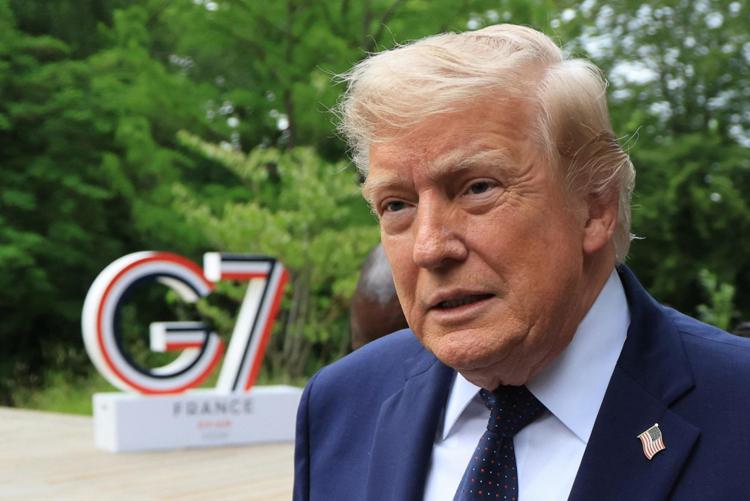
Recent public remarks by US President Donald Trump suggest that limited military strikes remain under consideration if diplomacy fails. Trump’s envoy, Witkoff, recently questioned why Iran had not agreed to fully curb its nuclear activities under pressure.
Analysts say Iran may be attempting to buy time, reduce immediate military risk, and strengthen defensive infrastructure. Satellite imagery has reportedly shown construction at sensitive sites, including reinforced structures over nuclear facilities previously struck during regional hostilities.
The possibility of miscalculation remains high, particularly if talks stall or collapse.
Expanded Monitoring and Regional Cooperation Proposals
One notable component of Iran’s new approach is openness to broader international oversight.
International Atomic Energy Agency officials have long called for access to specific nuclear sites. Iran’s leadership, including senior adviser Ali Larijani, has indicated that Tehran may allow more extensive monitoring to demonstrate compliance.
Additionally, the idea of a regional enrichment consortium—periodically discussed in past diplomatic efforts—has resurfaced. Such a framework could theoretically allow shared oversight while preserving limited enrichment capabilities.
However, implementation details remain unclear, and mutual distrust continues to complicate negotiations.
Economic Incentives: Oil and Gas Investment Openings
In a notable development, Iran has reportedly offered US companies potential participation in its oil and gas sector as contractors under a broader economic package.
Tehran emphasizes that it would not surrender control over strategic resources. Instead, it envisions limited economic cooperation that would create mutual interests and potentially stabilize long-term relations.
This economic incentive appears designed to provide Washington with tangible commercial benefits, potentially reshaping the framework of negotiations beyond purely security concerns.
Iranian officials argue that a diplomatic resolution could unlock significant economic growth for both sides.
Broader Disputes: Missiles and Regional Proxies
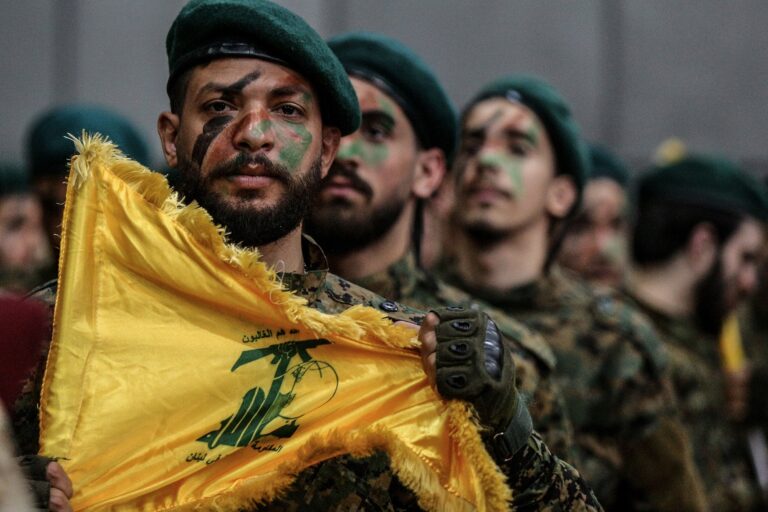
Beyond the nuclear issue, Washington has also raised concerns about Iran’s ballistic missile program and its support for regional armed groups.
Iran has categorically refused to negotiate over its long-range missile capabilities. However, reports suggest that the issue of regional proxy groups may not be entirely off the table—though no detailed framework has been publicly discussed.
These additional security concerns further complicate the path to a comprehensive agreement.
Risk of Escalation if Talks Fail
Reuters has reported that diplomatic sources across the Gulf and Europe fear the two sides are sliding toward military confrontation. With both governments facing domestic political pressures, neither wants to appear weak.
The Iranian official acknowledged that gaps remain wide but suggested that an interim agreement remains possible.
Such a temporary deal could:
- Freeze further enrichment expansion.
- Introduce phased sanctions relief.
- Reduce immediate military risk.
- Provide time for more comprehensive negotiations.
Whether either side is willing to accept a partial solution remains uncertain.
Conclusion: Diplomacy at a Critical Juncture
Iran’s indication that it is ready to make nuclear concessions in exchange for sanctions relief and recognition of enrichment rights marks a significant moment in US-Iran relations. The proposal reflects both strategic calculation and urgency, as the risk of military escalation continues to loom.
Key obstacles persist, particularly regarding sanctions sequencing, enrichment limits, and broader regional security issues. However, ongoing diplomatic engagement suggests that both sides recognize the high cost of failure.
The coming meeting between Abbas Araqchi and Steve Witkoff could determine whether negotiations stabilize or unravel. For now, diplomacy remains fragile—but not yet exhausted.
As tensions persist in the Middle East, the outcome of these nuclear talks may shape regional security and global energy markets for years to come.
About The Author