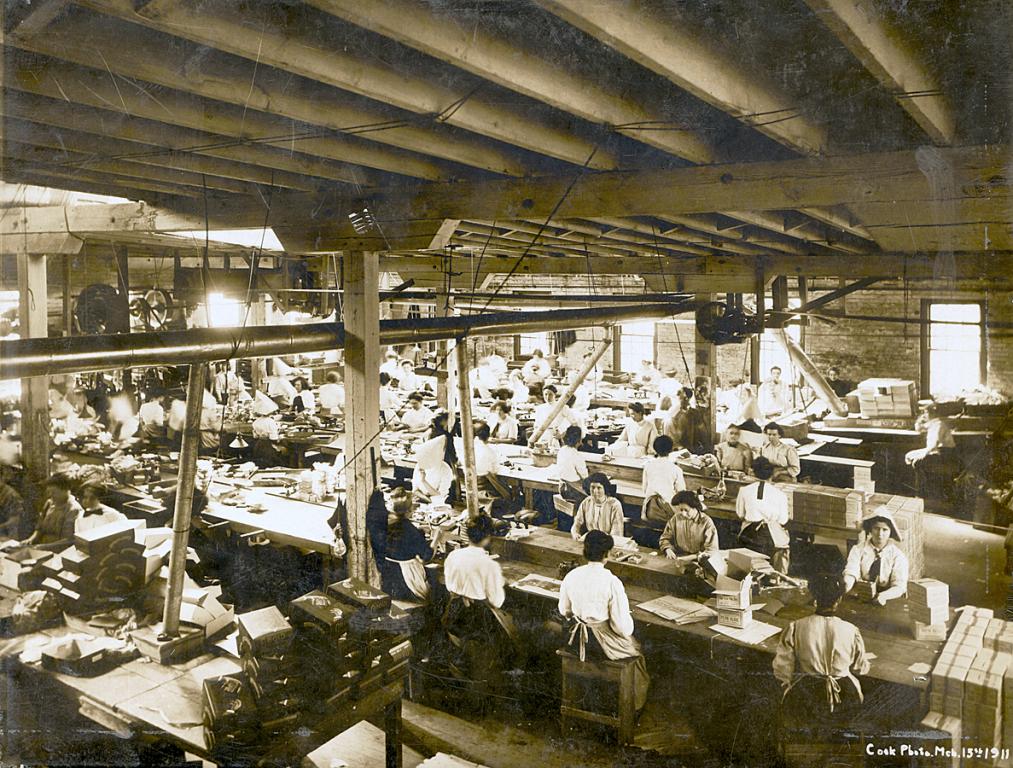
Industrialization is often celebrated for its technological breakthroughs, but its impact went far beyond machines and factories—it reshaped American society, politics, and democracy itself. While today we marvel at the digital revolution, smartphones, robotics, and online connectivity, the most transformative technological era in American history was the industrial revolution, which began in the early 1800s. Understanding this era provides valuable insight into how innovation can reshape both daily life and the structures of governance.
The Dawn of American Industrialization
The industrial revolution in the United States began modestly with water-powered textile mills. These early factories harnessed rivers and streams to run machinery, creating goods faster than ever before. Steam power soon followed, revolutionizing transportation and industrial production. By the late 19th century, electricity was becoming widespread, opening possibilities that earlier generations could barely imagine.
These technological advances created a ripple effect throughout society. Rural populations, long tied to agriculture, migrated to urban centers in search of work. Cities, once primarily hubs of commerce, became industrial powerhouses, housing sprawling factories and the thousands of workers they required. This rapid urbanization marked America’s transformation into a predominantly urban society, setting the stage for social, political, and economic change.
From Craftsmanship to Mass Production: The Birth of Consumer Culture
One of the most visible impacts of industrialization was on the production of goods. Machines could perform repetitive tasks faster, more accurately, and without fatigue. Innovations in metalworking and automation increased output dramatically, leading to mass production.
This new efficiency gave rise to a consumer culture. Items once made at home or purchased from local artisans became widely available at affordable prices. Homes no longer relied on handmade cloth, soap, or furniture. Instead, products like typewriters, record players, Kodak cameras, and machine-made furnishings filled stores and homes across America. The Sears Roebuck catalog emerged as a precursor to modern e-commerce, allowing consumers in remote areas to access products that were once limited to urban centers.
By the early 20th century, American manufacturing output had increased more than twentyfold compared to pre-Civil War levels. The industrial revolution did not just change how goods were made—it fundamentally altered the lifestyle of millions of Americans.
Revolutionizing Transportation and Urban Life
Industrialization transformed transportation as dramatically as it did production. The steamboat revolutionized river travel, enabling faster shipment of goods and people. Railroads connected distant regions, opening new markets and facilitating westward expansion. Urban mobility also improved with electric streetcars, allowing workers to live farther from factories and creating the first patterns of suburban sprawl.
These developments changed social dynamics. Commuting enabled a new kind of work-life balance, while urban growth introduced complex challenges like overcrowding, sanitation concerns, and labor disputes. The mobility and productivity offered by industrialization had far-reaching implications for civic participation and democratic governance.
Industrialization and Its Impact on American Democracy
The industrial revolution did not only reshape daily life—it influenced the political landscape and democratic institutions. The rise of urban centers concentrated populations, creating new constituencies and amplifying the voices of workers. Labor movements emerged in response to poor working conditions, long hours, and child labor. Strikes and union organizing became powerful tools for citizens to influence policy and advocate for rights, signaling a shift in democratic participation beyond the ballot box.
At the same time, industrialization highlighted inequalities. Wealth concentrated in the hands of industrialists like Andrew Carnegie and John D. Rockefeller, while many workers faced harsh conditions. These disparities sparked debates over regulation, labor laws, and social welfare—issues that remain central to American democracy today.
Mass media and communication also benefited from industrial advances. Newspapers, telegraphs, and later, telephone systems enabled faster dissemination of news and ideas, increasing public awareness and engagement in political processes. Industrialization, therefore, not only reshaped the economy but strengthened the mechanisms through which citizens could influence government.
Lessons for Today’s Digital Era
While our era of digital technology is revolutionary, the industrial revolution demonstrates how technological innovation can fundamentally reshape society. Just as factories, steam engines, and electric streetcars transformed American life in the 19th century, modern digital tools are altering work, communication, and civic engagement. Understanding the industrial era provides context for contemporary discussions about technology, inequality, and democratic participation.
From mass production to urbanization, industrialization forged new social and economic structures that required citizens, politicians, and institutions to adapt. Labor movements, consumer culture, and improved transportation all contributed to a more engaged, though sometimes conflicted, democratic society. Modern technology continues this legacy, reminding us that innovation is inseparable from social change.
Conclusion
The industrial revolution was more than a period of technological progress; it was a turning point for American democracy. By reshaping where people lived, how they worked, and what they consumed, industrialization created both opportunities and challenges for civic life. It empowered new voices, sparked social movements, and transformed the relationship between citizens and their government.
As we navigate the digital revolution today, reflecting on the industrial era helps us understand how technology shapes democracy. Innovation drives progress, but it also demands thoughtful governance, equitable policies, and active civic engagement. The lessons of industrialization remain a guidepost for building a society where technological advancement and democratic values grow hand in hand.
About The Author