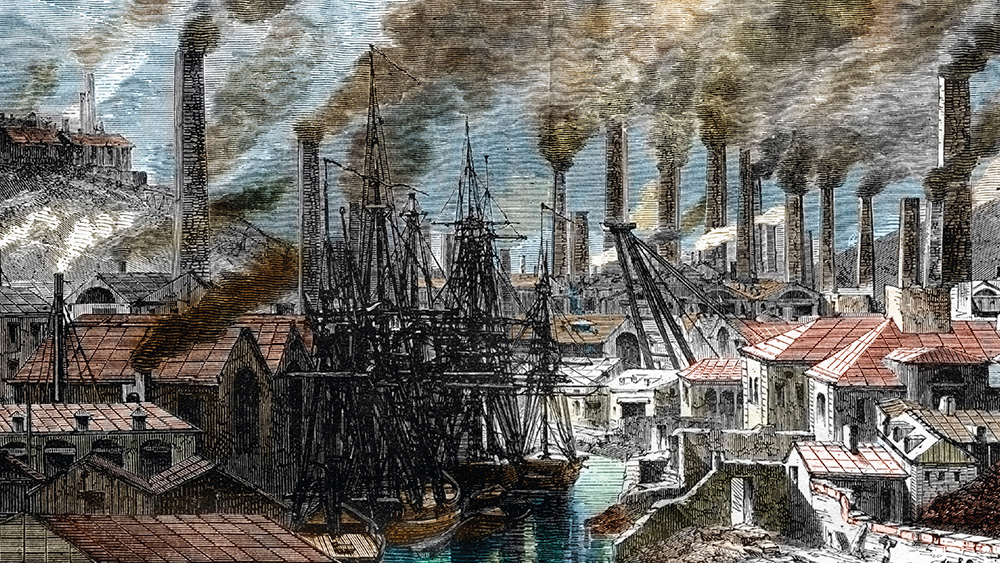
Industrialization marks the transformation of an economy from primarily agrarian to urban and manufacturing-based. It is a critical driver of sustained per capita GDP growth, higher standards of living, and improved social outcomes. For less developed countries (LDCs), industrialization offers a pathway out of poverty, attracting foreign investment, stimulating technological innovation, and enhancing economic resilience.
However, industrialization also introduces challenges such as environmental degradation, resource depletion, and social inequality. Crafting sustainable and equitable policies is therefore essential to maximize benefits while mitigating negative effects. This guide explores the historical, economic, and social impacts of industrialization on LDCs, supported by examples and policy insights.
Understanding Industrialization and Its Historical Context
Industrialization first emerged in Great Britain between 1760 and 1840, marking the world’s first period of compounding economic growth. The process later spread to the United States in the early 19th century and eventually to Western Europe by the century’s end.
Two core dimensions define industrialization:
- Shift in Labor Activity: Populations move from agricultural labor to manufacturing and industrial work.
- Increased Economic Output: Growth in productivity and the development of new industries, often accompanied by urbanization.
Historically, industrialization has catalyzed improvements in infrastructure, technology, and societal well-being. In Britain, for instance, per capita income rose from $400 in 1760 to $800 by 1860, doubling over a century despite the pre-industrial periods of income stagnation and decline.
Benefits of Industrialization in LDCs
Industrialization brings transformative benefits for less developed countries, including:
1. Economic Growth
Industrialization consistently drives per capita GDP growth, increasing national wealth and individual incomes. It also attracts foreign investment, providing capital and technological expertise.
2. Improved Education and Skills
Industrial economies often invest more in education and vocational training, enhancing workforce skill sets and supporting long-term development.
3. Infrastructure Development
Industrialization necessitates transportation, energy, and logistics infrastructure, improving market access and overall economic efficiency.
4. Technological Innovation
Competition and industrial activity spur innovation in processes, products, and productivity-enhancing technologies.
5. Enhanced Public Health and Lifespan
Industrialization can facilitate investments in healthcare systems, pharmaceuticals, and medical technologies, improving population health outcomes.
6. Export Capacity and Global Integration
Manufacturing capabilities allow LDCs to diversify exports, integrate into global value chains, and increase economic resilience.
7. Resilience to Economic Shocks
A diversified industrial base reduces reliance on a single sector or commodity, improving stability during external shocks.
Fast Fact
Hong Kong’s GDP per capita rose from $424 in 1960 to $48,984 in 2022 after rapid industrialization, illustrating the transformative potential of industrial growth.
Challenges and Drawbacks of Industrialization in LDCs
Despite its advantages, industrialization can create significant challenges:
- Environmental Degradation: Pollution, deforestation, and resource depletion often accompany industrial growth.
- Social Inequality: Wealth frequently concentrates among industrial elites, while many workers remain underemployed or poorly paid.
- Cultural Disruption: Traditional ways of life may erode as populations urbanize and migrate for industrial employment.
- Infrastructure Strain: Rapid industrial growth can overwhelm transportation, sanitation, and housing systems if unplanned.
Sustainable industrialization requires addressing these challenges through policies that balance growth with social and environmental responsibility.
Case Study: Hong Kong’s Industrial Transformation
Hong Kong exemplifies rapid industrialization with profound economic impacts:
- Initial Industry: Textile exports catalyzed growth.
- Foreign Investment: Low taxes, minimal trade barriers, and non-interventionist policies attracted global capital.
- Economic Growth: Annual GDP growth exceeded 14% between 1962–1965, averaging over 10% from 1969–1973, and reaching 8.8% in the late 1980s.
- Outcome: Within two generations, Hong Kong transformed from a resource-poor colony into one of the wealthiest territories in the world.
The Hong Kong experience highlights the role of policy frameworks, foreign investment, and market openness in maximizing industrialization benefits.
Industrialization and Global Economic Growth
Industrialization continues to shape the growth trajectory of LDCs. According to the IMF’s 2023 outlook:
- Middle East & Central Asia: 3.2% growth
- Sub-Saharan Africa: 4.1% growth
- Emerging & Developing Asia: 5% growth
These growth rates outpace developed economies like the U.S. (1%) and the Eurozone (1.5%), underscoring the continued potential for industrialization to drive global development.
Role of International Organizations
International institutions such as the United Nations, World Bank, and IMF, along with NGOs, provide support to LDCs through:
- Financial aid for industrial projects
- Technical expertise and capacity building
- Policy guidance for sustainable industrial development
LDCs must ensure that foreign assistance aligns with domestic priorities while mitigating negative social and environmental effects.
Mitigating Social and Environmental Impacts
To reduce adverse effects of industrialization, LDCs should adopt:
- Environmental Regulations: Pollution control, sustainable resource management, and renewable energy initiatives.
- Equitable Labor Policies: Fair wages, safe working conditions, and skill development programs.
- Infrastructure Investment: Housing, transport, sanitation, and energy systems to support industrial expansion.
- Community Engagement: Inclusive planning that considers local cultural and social needs.
Sustainable industrialization balances economic growth with social equity and environmental stewardship.
The Bottom Line
Industrialization is a powerful engine for economic development, education, health, and technological innovation in less developed countries. Historical examples like Hong Kong demonstrate its capacity to transform societies within decades.
However, without thoughtful planning, industrialization can exacerbate social inequality, harm the environment, and disrupt cultural practices. Policymakers in LDCs must prioritize sustainability and equitable growth, ensuring that industrialization benefits the broader population while mitigating its potential downsides.
Industrialization, when paired with inclusive policies and international support, provides a critical pathway for LDCs to achieve long-term economic growth and improved living standards.
About The Author