Introduction: Consumer Pushback Forces a Strategic Reset
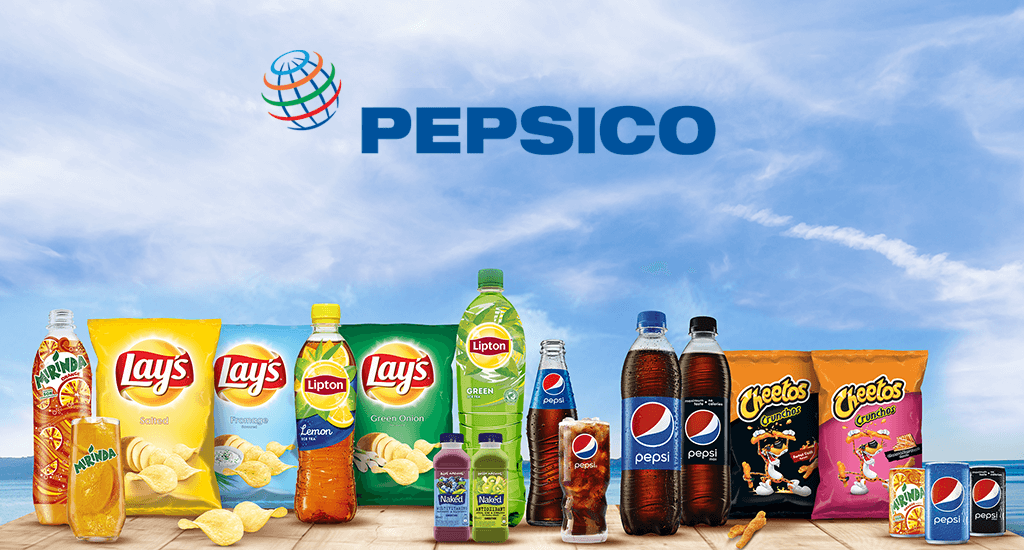
PepsiCo is making a notable shift in pricing strategy as American consumers grow increasingly resistant to higher food costs. The global snacks and beverage giant announced it will reduce prices on some of its most popular U.S. brands—including Lay’s and Doritos—by as much as 15%, responding to mounting backlash after multiple rounds of price increases in recent years.
The move comes as inflation continues to strain household budgets, particularly among low- and middle-income consumers who are prioritizing essentials over discretionary purchases. Although PepsiCo reported stronger-than-expected fourth-quarter results, executives acknowledged that affordability has become a critical barrier to sustained volume growth in the North American snacks market.
Price Cuts Target Core Snack Brands
The upcoming price reductions will apply to several of PepsiCo’s flagship snack products, with new pricing expected to reach store shelves within days. Company executives described the cuts as “surgical,” emphasizing that they are designed to restore consumer trust without undermining profitability across the broader portfolio.
According to PepsiCo Foods U.S. CEO Rachel Ferdinando, the decision followed months of consumer feedback indicating widespread frustration with rising snack prices. Shoppers, she said, are feeling the cumulative impact of inflation across groceries, housing, and utilities, leaving less room in their budgets for premium-priced snack items.
By lowering prices on high-volume brands like Lay’s and Doritos, PepsiCo aims to stabilize demand and prevent further erosion of market share in a fiercely competitive category.
Inflation and Policy Delays Pressure Household Spending
PepsiCo’s pricing pivot reflects broader economic pressures facing U.S. consumers. Persistent inflation has driven up the cost of food staples, while delays in government assistance programs—such as food stamp disbursements—have compounded financial stress for vulnerable households.
As a result, packaged food companies are being forced to rethink their pricing architectures. Industry peers including Procter & Gamble and Coca-Cola have also adjusted entry-level price points to remain accessible, signaling a wider shift away from aggressive price-led margin expansion.
For PepsiCo, whose snack portfolio is deeply embedded in everyday consumption habits, maintaining affordability is increasingly viewed as essential to protecting long-term brand loyalty.
Strong Quarter, But Warning Signs Beneath the Surface
Despite the consumer pushback, PepsiCo delivered a solid financial performance in the fourth quarter. The company reported revenue of $29.34 billion for the three months ended December 27, exceeding analyst expectations. Core earnings per share came in at $2.26, slightly ahead of forecasts.
The strong quarter allowed PepsiCo to reaffirm its full-year outlook, maintaining guidance for core earnings growth of 5% to 7%. Investors responded positively in the short term, with shares rising nearly 4% in early trading following the announcement.
However, the results also masked ongoing challenges, particularly in North America, where volume growth has lagged as consumers reduce discretionary spending. PepsiCo’s stock performance has trailed key rivals over the past several years, increasing pressure on management to deliver tangible improvements.
Betting on Volume Growth in North America
PepsiCo CEO Ramon Laguarta expressed confidence that the price cuts would help reignite demand in the company’s largest market. He said management expects snack volumes in North America to return to growth later this year, supported by improved affordability and targeted promotions.
According to Laguarta, PepsiCo is moving away from broad-based price increases and toward a more nuanced approach that balances value, convenience, and brand strength. The company believes this strategy will resonate with consumers who remain price-sensitive but are not willing to abandon familiar brands entirely.
Restoring volume growth is particularly important for PepsiCo, as North America represents a significant share of its revenue and operating profit.
Portion Control Emerges as a Key Growth Lever
Beyond pricing, PepsiCo is placing a major strategic bet on portion control. The company views smaller package sizes as a way to align with evolving consumer preferences—especially as the use of appetite-suppressing weight-loss medications continues to rise.
Laguarta noted that more than 70% of PepsiCo’s U.S. food portfolio is already available in single-serve formats. These products offer consumers a way to manage calorie intake while still enjoying snacks, a trend the company expects to accelerate.
Multipacks, which combine portion control with perceived value, are also becoming a central focus. PepsiCo believes these formats can drive both volume and profitability by encouraging repeat purchases without relying solely on price hikes.
Adapting to the Impact of Weight-Loss Drugs
The growing adoption of GLP-1 weight-loss medications has introduced new uncertainty for food and beverage companies. These drugs, which suppress appetite, have raised concerns about long-term demand for snacks and sugary drinks.
PepsiCo executives acknowledged the trend but argued that it reinforces the importance of moderation rather than eliminating snacking altogether. By emphasizing portion control, reformulated products, and transparency around ingredients, the company aims to remain relevant even as consumption patterns evolve.
Management sees this as an opportunity to reposition its brands around balance and choice rather than indulgence alone.
Brand Refreshes Aim to Attract Younger Families
In parallel with pricing changes, PepsiCo is refreshing several of its major brands to appeal to younger households with children. Products under labels such as Quaker, Gatorade, Lay’s, and Tostitos are being reformulated or marketed with an emphasis on lower sugar, fewer artificial ingredients, and clearer nutritional messaging.
These efforts reflect shifting consumer expectations, particularly among parents who are more attentive to ingredient lists and health claims. PepsiCo believes that aligning its products with these values will help offset declining volumes in traditional categories.
Innovation, executives say, will play a critical role in sustaining growth as consumer priorities continue to evolve.
Affordability Remains the Central Challenge
Despite these initiatives, PepsiCo acknowledged that affordability remains the biggest obstacle to increased spending in the snacks category—especially for lower-income households. Rising prices across essential goods have left consumers less willing to absorb further increases in discretionary items like chips and soda.
The company hopes that targeted price reductions, combined with smaller pack sizes, will reduce friction at the checkout counter and encourage shoppers to re-engage with its brands.
Executives emphasized that the pricing adjustments are carefully calibrated to protect margins while addressing consumer concerns, a balancing act that will require disciplined execution.
Cost-Cutting Efforts Add Another Layer of Complexity
PepsiCo’s strategy is unfolding against the backdrop of an aggressive cost-cutting program. The company has been under pressure from activist investor Elliott Management to streamline operations and improve efficiency after several quarters of sluggish sales in North America.
Reducing costs while lowering prices presents a significant operational challenge. Management has indicated that productivity gains, supply chain efficiencies, and disciplined spending will be critical to preserving profitability.
Analysts caution that successful execution across multiple fronts—pricing, innovation, and efficiency—will determine whether PepsiCo can meaningfully outperform in the years ahead.
Investor Perspective: Cautious Optimism
Market analysts have responded to PepsiCo’s results with cautious optimism. Some see the strong quarter as a sign that conditions may be stabilizing, while others emphasize that sustained improvement will depend on consistent execution.
David Wagner of Aptus Capital Advisors, which holds PepsiCo shares, said the company appears to be moving in the right direction but still faces significant hurdles. He noted that innovation, effective price adjustments, and productivity gains will all need to work in tandem for the stock to gain momentum.
Conclusion: A Delicate Balance Between Value and Growth
PepsiCo’s decision to cut prices on core snack brands marks a meaningful shift in strategy as inflation-weary consumers push back against higher costs. While the company continues to deliver solid financial results, it recognizes that affordability is now central to maintaining relevance and market share.
By combining targeted price cuts with portion control, brand refreshes, and cost discipline, PepsiCo is attempting to adapt to a rapidly changing consumer landscape. Whether this approach succeeds will depend on its ability to balance value and profitability in an environment defined by economic uncertainty and shifting consumption habits.
About The Author