Introduction: Disney Ends Long Succession Saga
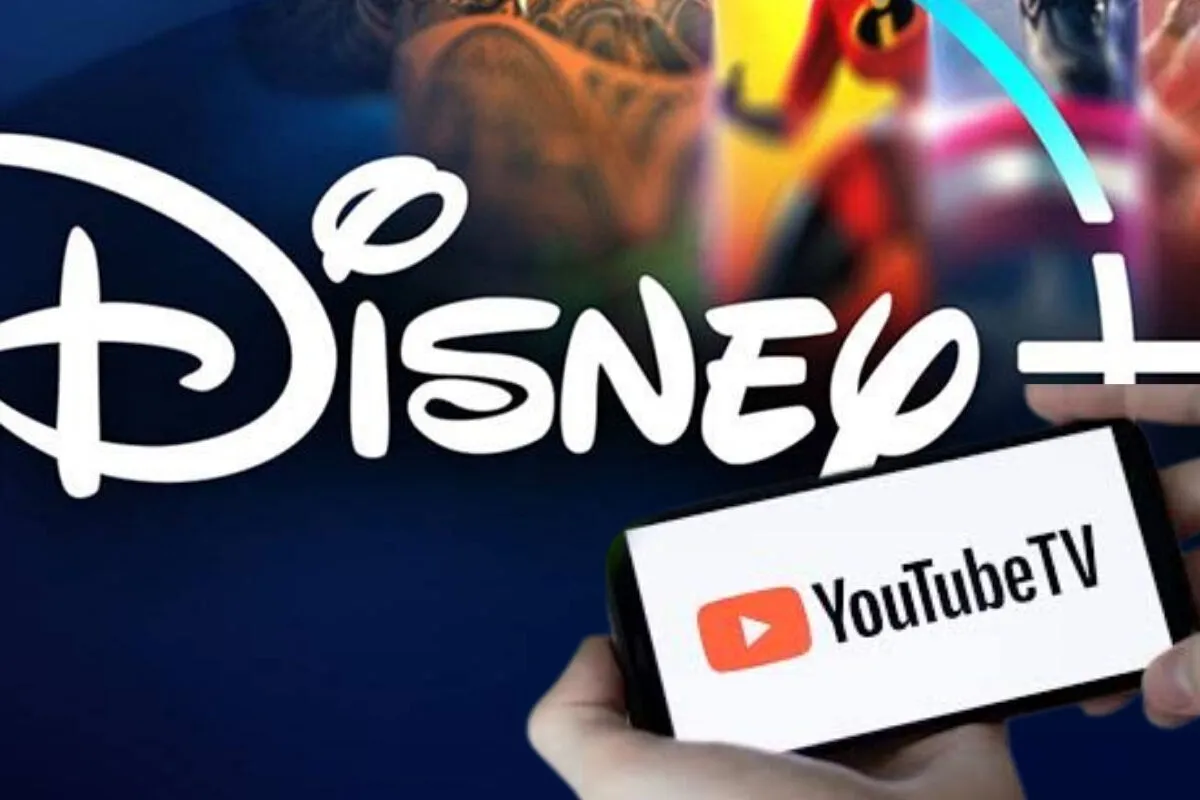
The Walt Disney Company has officially named Josh D’Amaro as its next chief executive officer, bringing an end to years of speculation and uncertainty over who would eventually succeed Bob Iger. The appointment marks a pivotal moment for the world’s most influential entertainment company as it navigates sweeping changes driven by artificial intelligence, intensifying competition, and consolidation across the global media landscape.
D’Amaro, a 54-year-old Disney veteran who currently leads the company’s highly profitable parks and experiences division, will formally assume the role at Disney’s annual shareholder meeting on March 18. Bob Iger, 74, will remain involved as a senior adviser and board member until his retirement at the end of the year, providing continuity during the leadership transition.
From Parks Powerhouse to Corner Office
D’Amaro’s promotion reflects Disney’s growing reliance on its experiences business as a financial anchor. Over the past several years, theme parks, resorts, and cruise operations have become the company’s most consistent profit engine, particularly as traditional television declines and streaming margins remain under pressure.
In the most recent fiscal year, Disney’s experiences division generated nearly $10 billion in operating profit—approximately 60% of the company’s total earnings. Revenue from the unit has grown steadily since the pandemic eased in 2021, benefiting from pent-up travel demand, pricing power, and expanded offerings.
By elevating the leader of its most successful segment, Disney is signaling confidence in D’Amaro’s operational discipline and long-term vision, even as it acknowledges that the broader entertainment business faces structural upheaval.
Bob Iger’s Legacy and a Carefully Managed Exit
Bob Iger leaves behind one of the most transformative legacies in corporate media history. During his tenure, Disney acquired Pixar, Marvel, Lucasfilm, and most of 21st Century Fox, reshaping the company into a global content and intellectual-property powerhouse.
Yet succession proved to be Iger’s most persistent challenge. His retirement was delayed multiple times, and his handpicked successor, Bob Chapek, was removed in 2022 after internal turmoil and strategic missteps during the pandemic.
Determined to avoid another disorderly transition, Disney took unusual steps to professionalize the CEO search. In 2024, the board appointed former Morgan Stanley CEO James Gorman as chairman, tasking him with overseeing a disciplined and transparent succession process. Gorman’s experience managing leadership transitions on Wall Street was viewed as critical after Disney extended Iger’s tenure for a fifth time.
In announcing D’Amaro’s appointment, Gorman praised his strategic clarity and deep understanding of Disney’s culture, emphasizing the need for stability at a moment of industry disruption.
Dana Walden Takes on Expanded Creative Role
Alongside the CEO announcement, Disney elevated Dana Walden—previously co-chair of Disney Entertainment—to chief content officer and president. Walden, widely regarded as a creative executive in the mold of Iger, has built strong relationships with talent and overseen a slate of commercially and critically successful projects.
Walden had been considered a leading contender for the CEO role, along with entertainment co-chief Alan Bergman and ESPN chairman Jimmy Pitaro. Her new position places her at the center of Disney’s content strategy, reinforcing the company’s belief that storytelling remains the foundation of its entire business ecosystem.
The pairing of D’Amaro and Walden suggests a deliberate balance: operational strength on one side, creative leadership on the other.
A CEO Without Hollywood Roots
Despite his deep experience within Disney, D’Amaro faces skepticism in some quarters due to his limited background in Hollywood deal-making and talent relations. Analysts note that while he is a familiar figure to theme park guests—often appearing at Walt Disney World events—he is far less known among writers, directors, and studio executives.
This could pose challenges at a time when generative artificial intelligence is reshaping how content is written, produced, and distributed. AI tools capable of automating elements of scriptwriting, editing, and visual effects are already transforming production pipelines, raising complex ethical and labor questions.
The timing is particularly sensitive, as major industry labor contracts for writers and actors are set to expire in late spring. Previous negotiations collapsed in 2023, triggering dual strikes that halted much of Hollywood production and resulted in an estimated $6 billion in lost output.
AI Strategy Puts Disney Under the Microscope
Disney’s approach to artificial intelligence has drawn intense scrutiny from both labor groups and policymakers. Late last year, the company agreed to allow OpenAI to use characters from its Star Wars, Pixar, and Marvel franchises in the startup’s Sora AI video generation platform. Disney also committed $1 billion to OpenAI as part of the deal.
Supporters argue the partnership positions Disney at the forefront of emerging technology, while critics warn it risks alienating creative talent and weakening control over valuable intellectual property.
For D’Amaro, navigating this debate will be one of his most complex tests as CEO—especially given the unresolved tensions between studios and unions over how AI should be regulated in creative work.
Learning From the Chapek Era
Disney’s leadership is keenly aware of the lessons from Bob Chapek’s tenure. Like D’Amaro, Chapek rose through the parks division before becoming CEO, but struggled to manage relationships with creative talent and high-profile partners.
One of the most damaging episodes was a public dispute with actress Scarlett Johansson over the simultaneous streaming and theatrical release of Black Widow, which escalated into a lawsuit before being settled. The controversy strained Disney’s reputation within Hollywood and highlighted the risks of poor communication during periods of strategic change.
Industry analysts have warned that Disney cannot afford a repeat of such missteps. Maintaining trust with creators will be essential to sustaining the content pipeline that fuels theatrical releases, streaming subscriptions, merchandise, and theme park attractions.
Parks Expansion and Emerging Market Bets
As CEO, D’Amaro will continue to oversee major expansion initiatives tied to Disney’s experiences business. Among the most significant is the company’s plan to open a new theme park in Abu Dhabi, marking Disney’s first major park development in nearly a decade and its first in the Middle East.
The project reflects Disney’s ambition to tap into fast-growing international markets and diversify beyond North America. However, near-term challenges persist. A recent decline in international visitors to U.S. parks has already weighed on investor sentiment, contributing to a sharp drop in Disney’s share price earlier this week.
Balancing global expansion with fluctuating travel patterns will remain a critical operational challenge.
Intensifying Competition in a Consolidating Industry
D’Amaro steps into the CEO role as competitive pressure intensifies across the media sector. Streaming rivals are seeking scale through mergers and acquisitions, with companies like Netflix and Paramount reportedly exploring deals involving Warner Bros assets.
Any such consolidation could create formidable competitors with deep content libraries and global reach. For Disney, maintaining differentiation through brand strength, franchise depth, and integrated experiences will be key to defending market share.
At the same time, ESPN—long a profit driver—faces ongoing disruption from cord-cutting and shifts in sports media rights, adding another layer of complexity to Disney’s strategic outlook.
Political and Regulatory Crosscurrents
Beyond business challenges, D’Amaro will need to navigate a polarized political environment. Disney has already faced pressure from the Trump administration over programming decisions and editorial content at ABC, which the company owns.
Recent controversies involving late-night television and political commentary have underscored the risks of regulatory retaliation and public backlash. Managing these issues without undermining Disney’s creative independence will require careful judgment.
Conclusion: A High-Stakes Transition for an Iconic Company
Josh D’Amaro inherits Disney at a moment of profound transformation. With Bob Iger stepping aside, the company is placing its future in the hands of an executive known for operational excellence rather than Hollywood deal-making.
His success will depend on his ability to bridge worlds: physical experiences and digital content, creative ambition and financial discipline, innovation and tradition. As artificial intelligence reshapes entertainment and competitors grow more aggressive, Disney’s margin for error is slim.
The post-Iger era has begun—and for Disney, the stakes could not be higher.
About The Author