Euro Stabilizes Amid Dollar Weakness
The EUR/USD currency pair is showing signs of stabilization following a week-long decline, with renewed buying interest emerging as the US Dollar comes under broad pressure. On 12 January 2026, EUR/USD traded around 1.1675, marking a 0.35% intraday gain and ending a seven-day losing streak.
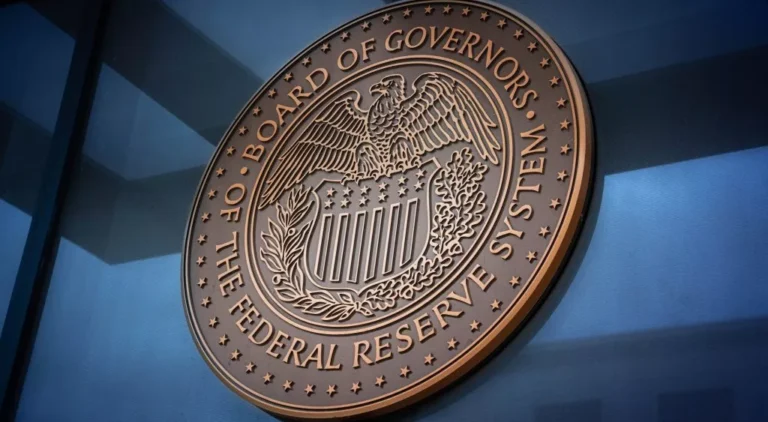
Investor sentiment toward the Greenback has been negatively impacted by reports surrounding Federal Reserve Chair Jerome Powell, who faces subpoenas and a potential criminal investigation linked to his testimony regarding the Fed’s headquarters renovations. These developments have reignited concerns over the Fed’s independence and its influence on monetary policy, encouraging market participants to reduce USD exposure and rotate into other major currencies, including the Euro.
Fundamental Drivers: US Dollar Under Pressure
Fed Independence Concerns
The U.S. Dollar’s weakness is partly driven by renewed uncertainty about the Federal Reserve’s independence. Markets reacted sharply after news emerged that federal prosecutors had served subpoenas and threatened criminal charges against Fed Chair Powell. This political tension has prompted investors to question the stability and predictability of U.S. monetary policy, prompting shifts into alternative currencies.
Historically, such developments can cause short-term volatility in forex markets, particularly in major G10 currency pairs like EUR/USD. As traders reassess risk, safe-haven flows and interest rate expectations are recalibrated, giving the Euro an advantage in relative terms.
Broader Market Sentiment
In addition to Fed-related concerns, general risk sentiment has favored currencies other than the USD. Reduced appetite for dollar-denominated assets has bolstered Euro positions, reflecting the broader impact of political pressures on central banking and global capital flows.
Technical Analysis: EUR/USD Shows Early Signs of Recovery
Key Support and Resistance Levels
From a technical perspective, EUR/USD has begun to stabilize after last week’s slide to one-month lows. On the daily chart, the pair is holding above both the 50-day and 100-day Simple Moving Averages (SMAs), which have flattened near the 1.1650-1.1670 zone. This suggests that near-term downside momentum is slowing.
Immediate resistance is evident at the 1.1700 psychological level, which has capped upside attempts. A decisive break above this threshold could trigger a short-term bullish shift, with potential targets at the 21-day SMA near 1.1730 and the 1.1800 area, where prior sellers emerged.
On the downside, maintaining support above 1.1650 is crucial. Failure to hold this level may tilt the near-term bias toward the downside, exposing 1.1600 as the next significant psychological support. A deeper retracement could subsequently bring 1.1550 into focus.
Momentum Indicators
Momentum indicators reveal a market lacking strong directional conviction. The Moving Average Convergence Divergence (MACD) remains below its signal line and under the zero mark, although the shrinking negative histogram suggests that bearish pressure is fading.
Meanwhile, the Relative Strength Index (RSI) hovers near 47, squarely in neutral territory. This indicates that EUR/USD is currently range-bound and lacks a clear directional bias unless RSI moves decisively above 50, signaling renewed bullish momentum.
Trading Implications and Strategies
Range-Bound Opportunities
Given the current technical and fundamental backdrop, EUR/USD appears to be consolidating in a 1.1650-1.1700 range. Traders can consider range-bound strategies, buying near support and selling near resistance while maintaining tight risk management parameters.
Breakout Scenarios
- Upside Breakout: A decisive move above 1.1700 could open the door for a recovery toward 1.1730-1.1800, attracting momentum traders and potentially triggering short covering among bearish positions.
- Downside Risk: Failure to hold 1.1650 may reignite selling pressure, targeting 1.1600 and 1.1550. Traders should monitor daily close levels and volume to confirm any significant directional shift.
Consider Macro Events
Market participants should remain alert to updates on Fed independence, interest rate expectations, and political developments, as these factors can create sharp intraday moves. Even minor news regarding U.S. monetary policy or geopolitical risks may influence market sentiment and alter technical patterns quickly.
Broader Outlook: Euro vs. Dollar in 2026
The Euro’s performance against the US Dollar in early 2026 is shaped by a combination of technical factors, central bank policy, and geopolitical developments. While the Euro has gained traction amid a weakening Dollar, uncertainty surrounding the Fed may continue to create volatile trading conditions.
Analysts suggest that unless the Greenback stabilizes or Powell-related concerns abate, EUR/USD may continue to experience intermittent recoveries punctuated by technical resistance near 1.1700. Conversely, renewed USD strength driven by policy clarity or risk-on sentiment could push the pair back toward monthly lows.
Conclusion: Monitoring Key Levels and Risks
EUR/USD’s short-term recovery highlights the fragile balance between technical support and fundamental uncertainty. Traders and investors should focus on:
- Support and Resistance: 1.1650 (support) and 1.1700 (resistance) as critical short-term markers
- Momentum Signals: MACD and RSI indicating a market with fading bearish momentum but limited bullish conviction
- Fundamental Drivers: Fed independence concerns, political developments, and USD sentiment as key catalysts
In a market sensitive to geopolitical and monetary policy news, EUR/USD may continue trading in a range-bound manner in the near term. Investors and traders should combine technical analysis with real-time monitoring of Fed-related developments to navigate price movements effectively.
About The Author