A New Trigger for Precious Metals Demand
Gold and silver markets are experiencing exceptional momentum, with prices surging to unprecedented levels in early 2026. This dramatic rise comes amid escalating political tensions involving the United States Federal Reserve (Fed) and broader economic uncertainty. Investors around the world are reacting to developments that challenge market confidence and prompt a renewed rush into precious metals as a perceived safe haven. What began as a defensive response to macroeconomic shifts has now become a defining moment for commodities markets this year.
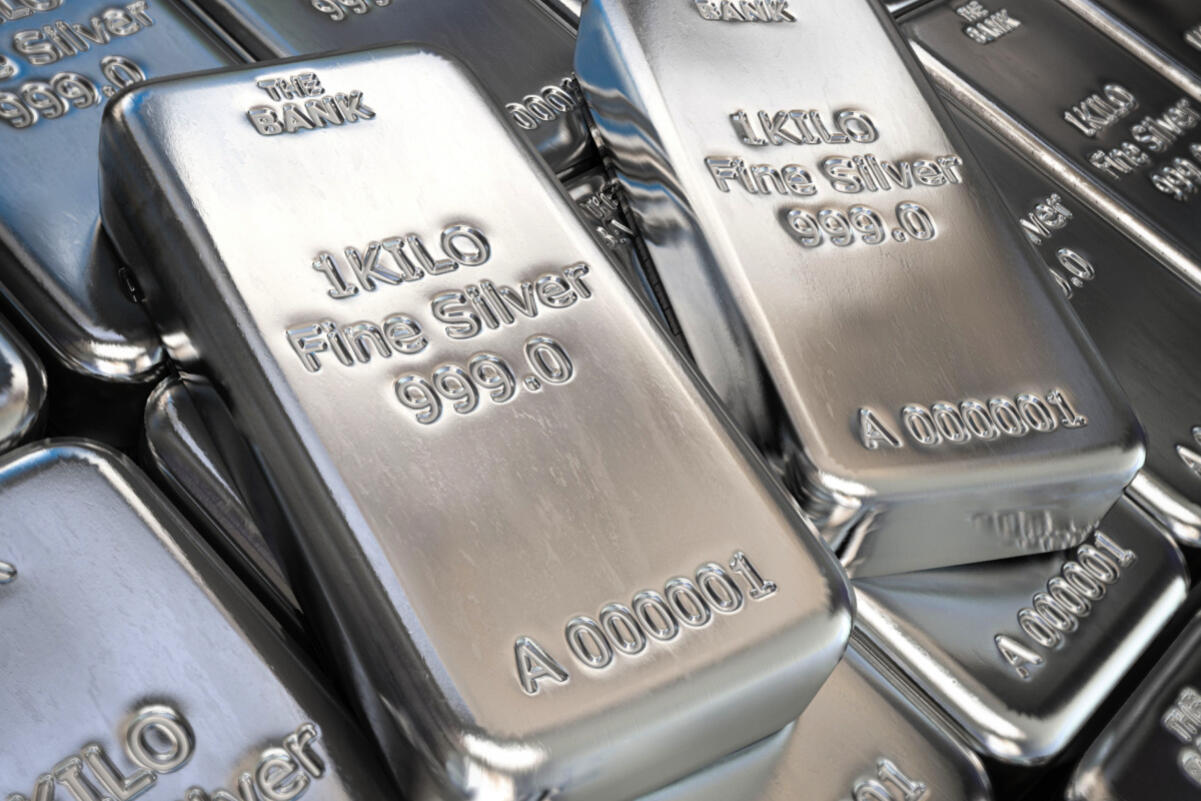
On January 12, 2026, gold futures climbed sharply, surpassing $4,600 per troy ounce, while silver likewise rallied to levels north of $84 per ounce, establishing new intraday records. These movements came immediately after public remarks by Federal Reserve Chair Jerome Powell that highlighted serious pressure from the U.S. administration and threats to the central bank’s independence — a development that shook financial markets.
This article unpacks these events, analyzes how political developments have influenced investor behavior, and explores broader market dynamics affecting precious metals in today’s environment.
Political Pressure and Market Reaction: The Fed in the Spotlight
The Powell Statement and Federal Reserve Independence
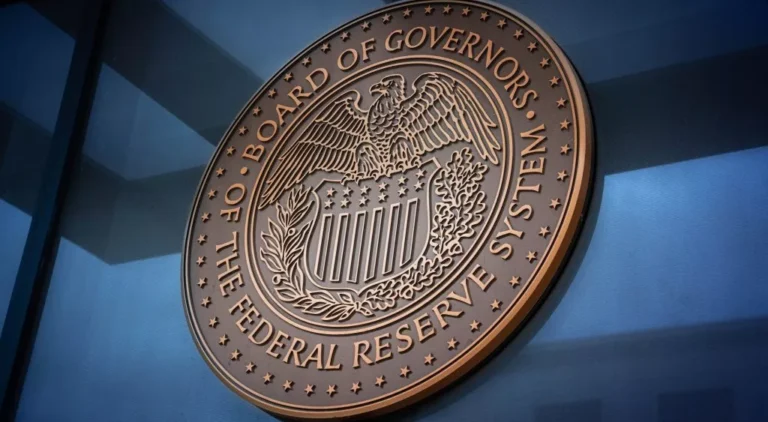
The recent surge in precious metals prices can be traced directly to statements made by Federal Reserve Chair Jerome Powell, who described “threats and ongoing pressure” from the federal government as jeopardizing the Fed’s independence. Powell’s comments, delivered in a widely viewed video message, cited a subpoena from the U.S. Department of Justice related to his congressional testimony on Fed headquarters renovations as part of a larger context of political pressure.
Central bank independence is widely regarded as a cornerstone of stable financial policy. Markets responded swiftly to these developments, interpreting the pressure on the Fed as a destabilizing force with implications for monetary policy, currency valuation, and systemic risk.
Investor Response: From Equities to Safe Havens
As concerns mounted over the Fed’s autonomy, risk sentiment shifted dramatically. U.S. stock futures declined, especially in technology sectors sensitive to interest rate expectations, while the dollar weakened against major currencies. In this risk‑off environment, gold and silver emerged as preferred assets for risk‑averse investors seeking stability amid uncertainty.
This market rotation from equities and dollars toward tangible assets reflects a broader trend: when fundamentals appear shaky and trust in institutions wavers, investors flock to traditional stores of value.
Why Gold and Silver? Understanding the Fundamentals
Safe Haven Demand Beyond Inflation
Historically, gold and silver prices have been influenced by inflation expectations and currency weakness. However, in the current context, their rally extends beyond these traditional drivers. Analysts observe that geopolitical tensions, political interference in central banking, and unease over the global economic outlook are increasingly shaping precious metals demand. In other words, gold and silver are now performing not just as hedges against inflation or dollar depreciation, but as protection against deeper structural risks in global markets.
Rania Gule, a senior market analyst, notes that gold’s underlying narrative has shifted: “Gold is no longer moving solely as a hedge against inflation or dollar weakness, but increasingly as protection against geopolitical disorder and the reshaping of global power dynamics.”
Central Banks and Institutional Buying
Another factor supporting precious metals is the persistent demand from central banks. Over recent years, foreign central banks have significantly increased their gold holdings, in some cases storing more bullion than U.S. Treasuries — a rare historical occurrence not seen since the mid‑1990s. This trend suggests that institutional investors view gold as critical to diversifying international reserves amid uncertain currency dynamics.
Meanwhile, silver has outperformed gold in recent months, aided by both investment demand and its intrinsic industrial uses. China’s export restrictions on silver at the beginning of the year have further constrained supply, amplifying price momentum. Silver’s role in industrial applications — particularly in electronics, solar panels, and advanced technologies — adds an additional layer of demand that distinguishes it from gold.
Broader Market Forces at Work
Dollar Weakness and Commodities Correlation
A weaker U.S. dollar often benefits commodities priced in dollar terms. As global investors find foreign currency‑based assets more affordable, demand for gold and silver can rise. Following the recent political developments, the dollar index experienced notable declines, enhancing precious metals’ attraction for international buyers.
This dynamic helps explain why both metals have surged even as traditional market drivers such as inflation expectations and interest rate differentials remain central considerations for traders.
Tensions Beyond Politics: Geopolitical Risks
Geopolitical developments — including rising tensions in the Middle East and escalating U.S. foreign policy confrontations — also contribute to commodity price volatility. Investors often react to geopolitical shocks by reallocating capital toward assets perceived as stable stores of value, such as gold and silver, particularly when global equities falter.
For instance, recent international frictions and the U.S. military posture abroad coincide with a broader climate of uncertainty, creating the ideal conditions for precious metals to thrive as safe haven assets.
Outlook: Risks, Opportunities, and Investor Considerations
Sustainability of the Rally
While gold and silver continue to climb, analysts caution about potential price corrections. Rapid increases can engender technical retracements as traders take profits or reassess positions in response to shifting catalysts. David Morrison, senior market analyst at Trade Nation, emphasizes that “care must be taken if chasing prices higher as the risks of a sharp correction only increase as silver makes fresh highs.”
This insight suggests that while the upward trajectory may persist, short‑term volatility remains a significant risk, especially in silver markets where price swings are typically more pronounced.
Strategic Positioning in Portfolios
For long‑term investors, precious metals often serve as a diversification tool rather than a core growth driver. Allocations to gold and silver can balance exposure to equities and fixed income, especially during periods of elevated macroeconomic risk. However, investors should calibrate their positions carefully, considering both price momentum and potential drawdowns.
Policy and Macro Risks
The political narrative surrounding the Fed adds a layer of unpredictability to monetary policy expectations. If tensions escalate further or institutional credibility erodes, markets could experience rapid repricing across asset classes. Conversely, if political pressures abate and monetary independence is reaffirmed, demand for safe havens might moderate, potentially stabilizing precious metals prices.
Conclusion: Navigating an Uncertain Market Landscape
The remarkable rise in gold and silver prices in early 2026 reflects a convergence of political, economic, and geopolitical forces reshaping investor behavior. What began as a response to perceived threats to the Federal Reserve’s independence has evolved into a broader movement toward tangible assets perceived as secure stores of value.
With gold breaking above $4,600 and silver pushing past $84 per ounce, investors are grappling with a market that increasingly prizes certainty over yield. Whether this rally sustains or retreats will depend on how political tensions evolve, how central banks respond, and how broader macroeconomic conditions unfold over the coming months.
For now, precious metals stand at the forefront of market discourse — not merely as hedges against inflation or currency weakness, but as barometers of confidence in the global financial system itself.
About The Author