The United States is preparing to expand its campaign against Venezuelan oil exports after recently seizing its first tanker linked to the country’s crude shipments. According to multiple individuals familiar with the operation, Washington is now assembling a broader list of vessels for potential interdiction as part of a more aggressive sanctions strategy aimed at isolating President Nicolas Maduro.
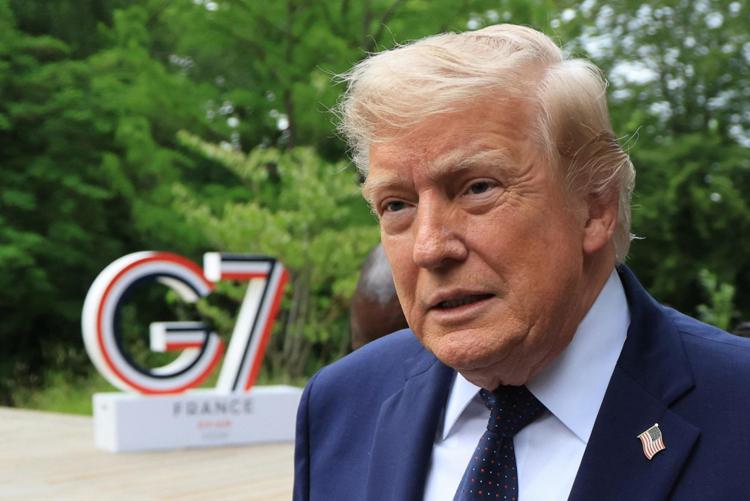
The initial seizure marks a significant escalation in U.S. enforcement actions. Venezuela has been under American sanctions since 2019, but direct interception of oil cargoes had not occurred until this week. The move coincides with a major U.S. military buildup in the southern Caribbean and growing political pressure from President Donald Trump, who has long pushed for Maduro’s removal.
The development has sent shockwaves through the maritime and energy sectors. Shipowners, charterers, and logistics firms involved in Venezuelan crude transport are reassessing their plans, with several already pausing scheduled departures from Venezuelan ports. Sources indicate that more U.S. interventions are expected soon, including actions involving tankers that may also move sanctioned oil from Iran or other countries.
The United States has reportedly created a target list of additional tankers already under sanctions. Several U.S. agencies, including the Justice Department and the Department of Homeland Security, have been preparing these operations for months. A deeper crackdown on Venezuelan exports would place further financial pressure on Caracas, which relies heavily on oil revenue to sustain government operations.
Central to this strategy is the so-called “shadow fleet” — a sprawling, loosely regulated network of aging tankers that transport sanctioned crude to China, the largest buyer of Venezuelan and Iranian oil. Many of these vessels operate with obscure ownership structures and minimal insurance coverage, complicating enforcement and posing risks for ports asked to accommodate seized ships.
The seizure of the tanker Skipper, previously sanctioned for transporting Iranian crude, has already disrupted Venezuela’s export flows. One shipping firm suspended three newly loaded shipments totaling nearly six million barrels of the country’s key crude grade, Merey. Tankers that were scheduled to sail to Asia are now idling off the Venezuelan coast, where operators consider the vessels safer from interception.
U.S. forces have intensified surveillance around Venezuela and neighboring Guyana, monitoring tankers both at sea and at port. According to sources, the timing of additional seizures will depend on logistics, particularly the availability of ports willing to receive confiscated ships whose poor maintenance and unclear insurance create operational hazards.
Another vessel, the Seahorse, sanctioned by the United Kingdom and European Union for its connections to Russian oil trading, was briefly detained by a U.S. warship in November before continuing to Venezuela.
The Venezuelan government has denounced the U.S. actions as “international piracy.” However, legal experts maintain that the seizures are not considered piracy under international law. Laurence Atkin-Teillet, a maritime law specialist at Nottingham Law School, noted that state-authorized interdictions fall outside the legal definition of piracy, suggesting that the Venezuelan accusation is rhetorical rather than legal.
As Washington prepares for further enforcement measures, global shipping operators and energy traders are bracing for heightened uncertainty in an already volatile geopolitical landscape.
About The Author