Statements by IAEA Director General Rafael Grossi recently caused some confusion about the condition of the protective shield at Chernobyl. According to the International Atomic Energy Agency, the steel structure, damaged in February, has not released any radiation into the environment. Ukrainian authorities confirmed on Sunday that radiation levels in the surrounding area remain normal, even though no one has lived there for nearly forty years.
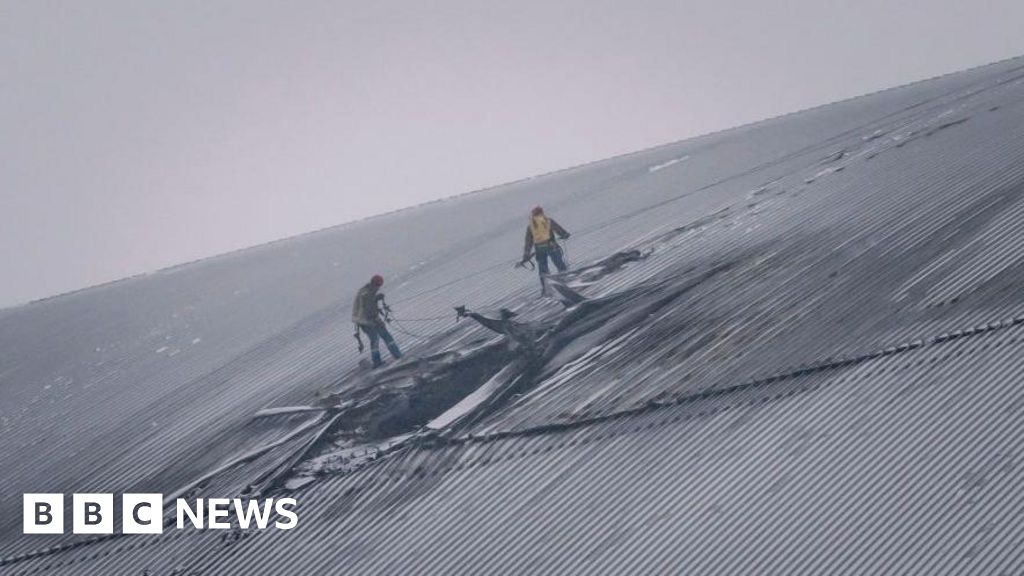
The shield, a massive steel arch designed to contain the radioactive reactor four, was damaged on February 14 by a drone. Ukraine accused Russia, which denied involvement. The incident sparked a fire around the breach, damaging the protective membrane underneath. The fire burned for about three weeks until workers cooled the area with water.
A temporary patch was installed afterward, but the IAEA notes that more substantial repairs will be necessary to ensure the shield can continue to contain radiation in case other safety systems fail. Grossi had indicated that any issues beneath the shield could lead to potential radiation leaks.
History of the Chernobyl Shield
The April 26, 1986 reactor four explosion released a radioactive cloud across much of Europe. The Soviet Union evacuated 2,600 km² and quickly built a concrete and steel sarcophagus to isolate the reactor. Years later, the international community funded the construction of a massive mobile steel shield costing €1.5 billion, completed in 2016. The 165-meter-wide, 110-meter-high structure was slid over the old sarcophagus, with its mobility allowing safer construction away from radiation exposure.
The shield was intended to allow the eventual dismantling of the reactor and removal of radioactive material. However, the war in Ukraine has halted planning for these operations, and the February damage may further delay progress.
Current Status and Next Steps
The IAEA has found no permanent damage to the structural supports and no unusual radiation levels. What remains uncertain is how the breach will be repaired, whether the entire structure must be moved, and how to restore the insulating membrane that protects the underlying sarcophagus from water and further radiation exposure.
About The Author