Where Trump’s Tariffs Stand Going Into 2026: A Complete Breakdown of the Fast-Changing Trade Map
President Donald Trump has dramatically reshaped the global trade environment in 2025, rolling out a sweeping network of tariffs that now affects nearly every country in the world. Since returning to office, Trump has made trade protectionism one of the defining features of his economic agenda—often announcing new duties with little notice, modifying earlier directives, and frequently issuing new threats that reshape market expectations.
The result: a fast-moving, constantly evolving tariff framework that has become difficult for businesses, investors, and consumers to track.
Why It Matters
Tariffs directly influence the cost of goods, supply-chain decisions, inflation, and the broader investment environment. With levies now touching everything from automobiles to critical minerals, Trump’s policies are reshaping global commerce and altering the U.S. economic outlook.
As of Dec. 2, 2025, here’s the updated snapshot of where U.S. tariffs stand going into 2026.
Country-Specific Tariffs (Updated Through Dec. 2, 2025)
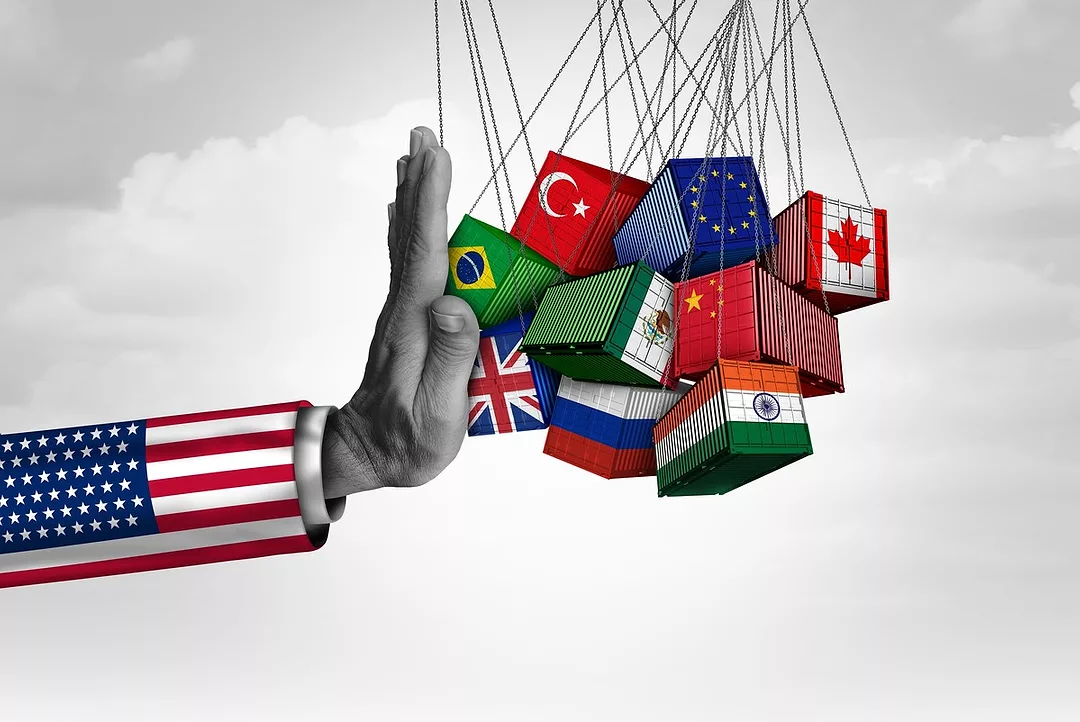
In August 2025, the administration initiated a global tariff baseline: a minimum 10% duty on all imports from every country. Many nations now face significantly higher rates ranging from 15% up to 100%, often tied to geopolitical actions, energy purchases, or alleged trade violations.
Highlights include:
- Canada – 35%, with special rules targeting goods linked to fentanyl trafficking, plus higher penalties for products routed through third countries.
- China – 34%, with additional threatened duties reaching as high as 200% depending on actions related to rare earth metals, oil purchases, and magnet export restrictions.
- India – 25%, including additional penalties for buying Russian oil.
- European Union – 15%, with some exemptions via ongoing negotiations.
- Brazil – 40% “Free Speech Tariff”, imposed to punish alleged censorship of U.S. social media platforms.
- Mexico – 25%, linked to fentanyl enforcement.
- Nicaragua – 18% current, 100% threatened for alleged unfair trade practices.
- Russia – 100% threatened until the war in Ukraine ends.
More than 100 countries—from Afghanistan to Zimbabwe—now face elevated tariffs ranging between 15% and 40%. Several nations have negotiated exemptions or reductions for select products, but the vast majority of imports remain subject to heightened duties.
Trump has also threatened 10% to 100% tariffs on all BRICS nations, particularly if they move to establish a new currency bloc that challenges the U.S. dollar.
Product-Specific Tariffs (Updated Through Dec. 2, 2025)
Alongside country-level duties, Trump has introduced a broad set of sector-focused tariffs, many aimed at reshoring manufacturing, punishing Chinese suppliers, or stabilizing domestic markets.
Key product tariffs include:
Implemented in 2025
- Aluminum – 50% (25% for British imports)
- Automobiles – 25%, with reduced rates for EU and Japanese cars under trade agreements
- Auto parts – 25%, with USMCA exemptions
- Copper – 50%
- Lumber – 10%
- Furniture – 25% and kitchen cabinets – 25% (rising to 30% and 50% in 2026)
- Steel – 50% (25% for British steel)
- Maritime cargo equipment made in China – 100%
- Buses – 10%
- Trucks and heavy-duty vehicle parts – 25%
- Medium- and heavy-duty components – 25%
Threatened but Not Yet Implemented
- 100% tariff on U.S.-bound computer chips
- 25% tariff on iPhones
- 100% tariff on movies
- 100% tariff on pharmaceutical brands (exemptions for British firms and U.S.-based manufacturing)
- Duties on robots, industrial machinery, drones, wind turbines, polysilicon, and processed critical minerals
- Tariffs on commercial aircraft and jet engines
These measures—both enacted and proposed—are driving significant changes in global supply chains, encouraging U.S. manufacturing investment while increasing costs for consumers and businesses.
The Bottom Line
With Trump’s tariff regime expanding throughout 2025 and new measures still under consideration, the global trade landscape is now more volatile than at any time in recent history. As the U.S. heads into 2026, companies worldwide are reassessing how and where they produce goods, while consumers brace for continued price impacts across multiple sectors.
About The Author