Canada is introducing new import tariffs on a wide range of steel products, including a significant portion sourced from the United States, as Prime Minister Mark Carney moves to bolster an industry strained by a growing trade war and a surge of low-priced Chinese metal flooding global markets.
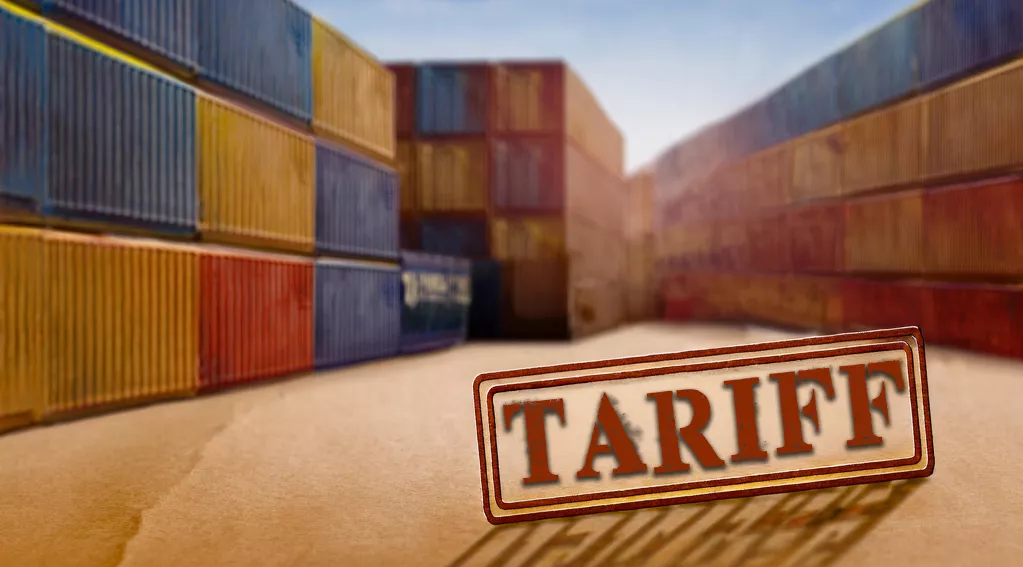
Carney unveiled a 25% tariff on steel derivative products on Wednesday, part of a broader package of support aimed at stabilizing Canadian steel producers. The levy goes into effect on Dec. 26 and will apply to roughly C$10 billion ($7.1 billion) worth of imported goods, such as wind towers, prefabricated structures, metal fasteners, and wire products.
A senior Canadian government official said that about 40% of the targeted items typically originate in the U.S.
This marks the first time Carney has expanded import taxes on American goods since eliminating most of Canada’s retaliatory tariffs earlier in the year. Canada continues to maintain a broad 25% tariff on U.S. steel and aluminum, but Carney has declined to match U.S. President Donald Trump’s far more aggressive 50% tariff on those metals.
Keanin Loomis, CEO of the Canadian Institute of Steel Construction, welcomed the move. “This is an encouraging leap forward. We’ve been advocating for these measures for many months,” he said, adding that Carney has developed a stronger command of the file in recent months.
Tensions With Washington Remain High
Carney has pursued a conciliatory approach with President Trump in hopes of negotiating lower U.S. tariffs on critical Canadian sectors. But Trump abruptly halted talks on Oct. 23, reportedly angered by an anti-tariff ad campaign run by the Ontario government. Negotiations now appear unlikely to resume soon.
Carney emphasized that the new tariffs are not intended to provoke Washington. “It’s not targeted at the U.S.,” he said. “This is a global approach designed to create breathing room for Canadian steel producers.”
He also extended — for what he called the final time — the deadline for companies to request tariff relief on U.S. steel used in manufacturing, agriculture, and food packaging. After Jan. 31, firms will no longer be able to seek these “tariff remissions.”
Despite ongoing trade friction, Carney confirmed he will travel to Washington on Dec. 5 for the 2026 World Cup draw, where he will once again be in the same room as Trump.
New Import Restrictions Beyond the U.S.
Canada is also tightening controls on steel imports from countries without free-trade agreements. Previously, tariffs were triggered when shipments reached 50% of the previous year’s import level. Under the new rules, tariffs will begin once imports hit 20% of last year’s volume.
For countries with Canadian trade agreements — such as South Korea — tariffs will now apply when imports reach 75% of 2024 levels, down from the previous 100%. These rules do not apply to the U.S. or Mexico under existing trade arrangements.
Boosting the Lumber Sector and Domestic Sales
Alongside the steel measures, the government will inject C$500 million into a Business Development Bank of Canada loan program supporting the softwood lumber industry. Another C$500 million will be directed to the Large Enterprise Tariff Loan facility for the same sector.
To stimulate domestic demand, federal funds will support Canadian National Railway Co. and Canadian Pacific Kansas City Ltd. in offering a 50% discount on steel and lumber shipments inside Canada.
Workers in multiple sectors affected by reduced hours will gain support as well: the government is allocating over C$100 million over two years to expand a benefits program for employees whose hours have been cut due to economic slowdowns.
Carney also reaffirmed that the government’s Buy Canada policy will take effect later this year, mandating that federal construction and defense contracts over C$25 million prioritize Canadian-made materials, including steel and lumber. This requirement will also extend to all federal grants and contribution programs.
Additionally, a new task force will be established to assess long-term strategies to keep Canada’s forest industry competitive.
Industry Pressure Mounts Amid U.S. Tariff Surge
Canadian steelmakers have been severely affected by the Trump administration’s 50% tariffs on numerous steel and aluminum products. The federal and Ontario governments recently issued an emergency loan to Algoma Steel Group Inc., which has been hit particularly hard.
Industry groups have repeatedly urged Ottawa to raise trade barriers, warning that foreign steel — blocked from entering the U.S. due to Trump’s tariffs — is increasingly being diverted into Canada’s market.
About The Author