Nvidia’s Blockbuster Results Fail to Calm Markets as Wall Street Splits Over the Future of the AI Trade
Wall Street anticipated that Nvidia’s powerful earnings report would cool fears of an overheated artificial intelligence market. Instead, the results exposed a deep divide among investors—and did little to ease mounting concerns about a potential AI-driven bubble.
Where the AI trade goes from here now depends entirely on whom you ask.
Skeptics Warn of Unsustainable Valuations and Mounting Systemic Risk
A growing contingent of market watchers fears the surge in AI-related stocks has pushed valuations to untenable heights. These skeptics highlight the massive capital outlays that major AI players are making to stay competitive—spending so aggressive that many firms have begun taking on significant debt.
Even more worrisome to some analysts is the circular nature of financing across the AI sector, where intertwined partnerships mean weakness in one firm could reverberate across the entire industry.
Optimists See a Healthy Correction, Not a Meltdown
On the other side are investors who believe the latest pullback is not a warning sign but a necessary consolidation after an explosive multi-year rally.
Tech titans at the center of the AI boom—Microsoft, Amazon, Alphabet, and Meta—continue to ramp up spending with no indication of cooling off. Their commitment, combined with enormous AI demand and a regulatory environment viewed as supportive of innovation, fuels the belief that the AI cycle remains in its early stages.
“We’ve had such a long bull run, and valuations are stretched,” said Dec Mullarkey of SLC Management. “But there is still a group of investors betting on stimulus: rate cuts, lighter regulation, rising M&A and IPO activity.”
Nvidia’s Earnings Spark Volatility, Not Relief
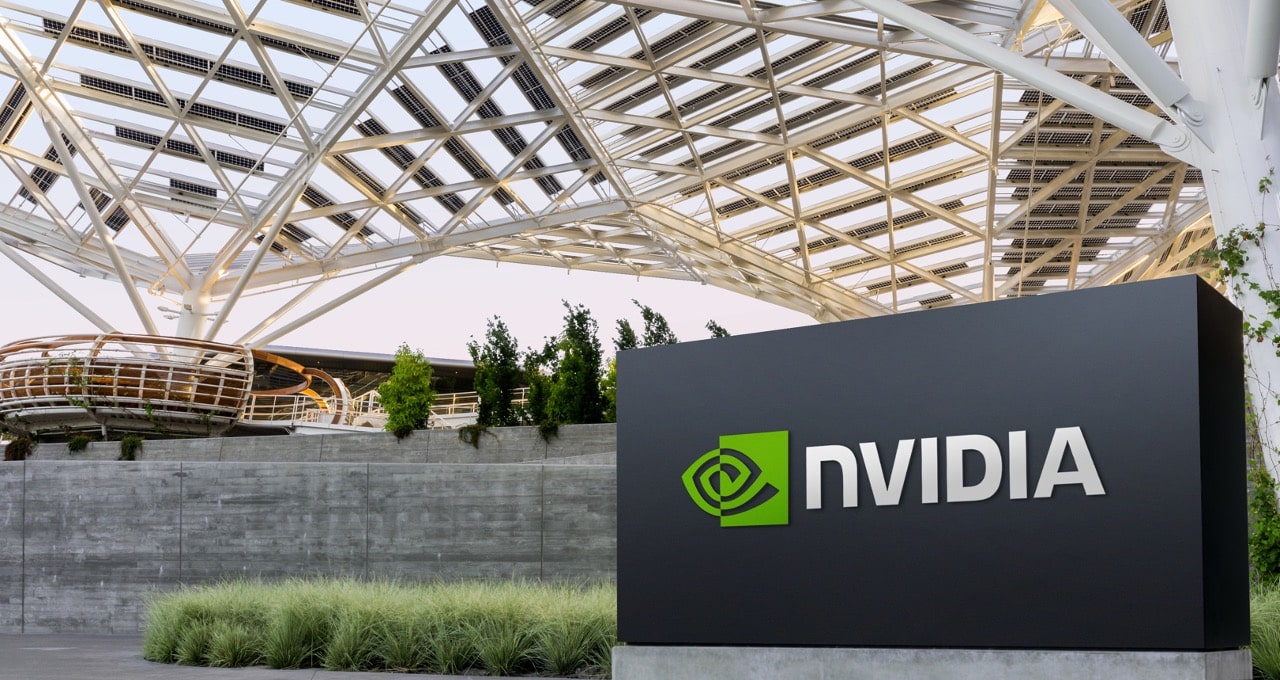
Nvidia’s highly anticipated report triggered one of the most volatile sessions in months. After an initial 5% surge, the stock reversed sharply, ending the day down 3.2%. The S&P 500 and Nasdaq 100 mirrored the chaotic swing—rising at the open, then plunging into the red.
“The rally didn’t last,” said Natalie Hwang of Apeira Capital Advisors. “Investors now want answers about energy demands, margins, and returns on investment.”
Markets steadied slightly on Friday, but uncertainty still looms.
Bubble Concerns Grow as AI Ambitions Outpace Reality
Signs of overheating continue to flash across the market:
- Stretched valuations
- Circular financing structures
- Heavy debt issuance
- High expectations with unclear payoffs
Privately held companies like OpenAI, which is burning large amounts of cash, are also feeding concerns about sustainability.
Even Nvidia—with more than 40% of its revenue coming from Microsoft, Amazon, Meta, and Alphabet—could not defuse the tension despite reporting yet another exceptional quarter.
Semiconductor Shares Hit Hard as Investors Question AI Spending Durability
The broader chip sector has stumbled. An index of semiconductor stocks is down 11% in November, heading toward its worst month since 2022. Companies such as AMD and Arm have fallen more than 20%.
Newer players have also taken severe hits. Memory-chip maker Sandisk Corp., briefly up nearly 700% on the year, has seen a steep drop in recent weeks.
ROI Becomes the Market’s Most Important Question
Investors now want concrete proof that massive AI investments will deliver earnings growth and higher profitability.
“It may take another quarter or two before we get the evidence,” said Mark Luschini of Janney Montgomery Scott. “Until then, AI remains a point of uncertainty.”
Nvidia’s strong results delayed a deeper reckoning, but did not erase doubts.
Signs of Stress Emerge in Mega-Cap Tech and High-Leverage AI Firms
Meta shares have fallen 21% since late October as investors worry about escalating capital expenditures. Microsoft is down 13% for similar reasons.
Companies with weaker balance sheets are faring even worse:
- CoreWeave (CRWV): down 46% this month
- Oracle (ORCL): down 24%, its worst month since 2001
“For companies that have to borrow heavily just to compete, this correction was overdue,” said Kevin Cook of Zacks Investment Research.
The Only Consensus: AI Volatility Is Here to Stay
There are two camps—one seeing danger, one seeing opportunity. But both agree the path forward will be more turbulent.
“You’ve got macro uncertainty, debate over where AI really stands, and crypto markets melting down,” said Art Hogan of B. Riley Wealth. “All of that feeds the volatility we’re seeing.”
About The Author