Why People Work Later in Life? The Buffett Example
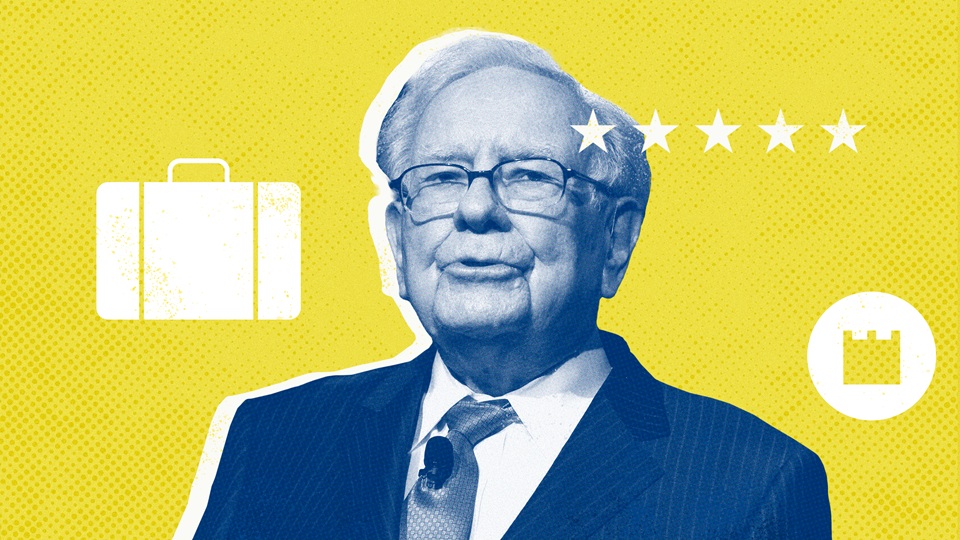
Recent research from The Conference Board shows something remarkable: workers aged 55 and older report loving their jobs at significantly higher rates than younger generations. Few people embody this truth better than Warren Buffett, now 95, who illustrates the powerful pull that meaningful work can have later in life.
Even as Buffett steps down as Chairman and CEO of Berkshire Hathaway, he continues showing up at the office, energized by the people around him and the work he still loves. In his final annual shareholder letter, Buffett admitted:
“I’m happy to say I feel better about the second half of my life than the first… I am at the office five days a week where I work with wonderful people.”
His decision raises a compelling question: What motivates someone to work well into their ninth decade of life?
To explore this, experts in longevity, retirement, and workplace well-being weighed in.
Purpose, Pride, and People: The Deeper Motivations Behind Working Longer
“Important work to be done”
Gerontologist and Age Wave CEO Ken Dychtwald describes Buffett’s ongoing commitment as both rare and inspirational. According to Dychtwald, people work later in life for three primary reasons:
- To earn a paycheck
- To find purpose
- To stay socially connected
Buffett, of course, no longer works for the money — but the other two motivations are powerful.
Dychtwald notes that Buffett stayed because he believed “there was important work to be done.” He found meaning in leading, giving back, and modeling a more compassionate version of capitalism.
Buffett didn’t just build a financial empire — he shaped a legacy grounded in humility, contribution, and purpose.
What Buffett Teaches Us About Aging and Work
Author Chris Farrell (“Unretirement”; “Purpose and a Paycheck”) believes Buffett’s longevity at work holds valuable lessons:
- Experience is an asset, not a limitation.
Older adults connect insights, patterns, and relationships in ways younger workers often can’t. - Work that sparks curiosity or teaches something new stays fulfilling.
- Human connection matters more with age.
Workplaces can become a source of belonging, especially as personal circles shrink over time.
Farrell emphasizes that the message isn’t to delay retirement forever, but rather:
“Find and stick with what gives you meaning and connects you to the broader society.”
Why Working Longer Is Becoming More Common
Longevity expert Ken Stern points out that Buffett’s story represents a growing trend.
- The number of workers 75 and older is the fastest-growing segment of the U.S. labor force.
- This group is expected to double by 2030.
- Most don’t stay for financial reasons alone — they stay for authentic purpose and connection.
Stern compares Buffett to other late-life contributors like Jane Goodall and Mel Brooks, who continue working well into their 90s because they love what they do.
Work, for many, is no longer just a necessity — it’s a path to fulfillment, identity, and health.
Your Best Work Might Still Be Ahead
Work gives shape and meaning to our days. It challenges us, connects us, and — for many — fuels our sense of identity. As more people live longer, healthier lives, the idea that “the best years of work are behind us” becomes increasingly outdated.
Instead, late-career professionals often find:
- Renewed creativity
- Sharper intuition
- Greater emotional intelligence
- A deeper understanding of purpose
And, as Buffett reminds us, it’s never too late to grow, evolve, or contribute.
His parting advice:
“It is never too late to improve. Decide what you would like your obituary to say and live the life to deserve it.”
A powerful message — not just about work, but about life itself.
About The Author