Massive Evacuations as Super Typhoon Fung-wong Nears Luzon
More than 900,000 residents have been evacuated from vulnerable areas across the Philippines as Super Typhoon Fung-wong, locally known as Uwan, began battering the main island of Luzon late Saturday.
Authorities suspended work and classes across multiple regions, including Metro Manila, as the country braces for landfall in Aurora province as early as Sunday night.
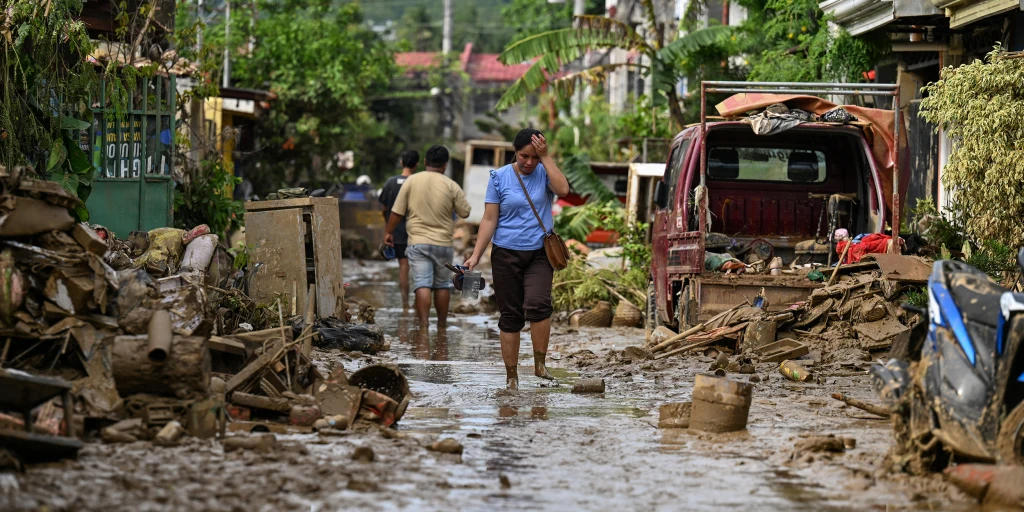
Fung-wong — the 21st tropical storm to hit the Philippines this year — threatens to worsen an already fragile recovery effort following Typhoon Kalmaegi, which killed 224 people in the Philippines and five in Vietnam last month.
Winds Over 185 kph: Widespread Rains and Power Cuts
According to the Philippine weather bureau, the super typhoon is packing sustained winds of 185 kilometers per hour (115 mph) and gusts up to 230 kph (140 mph), unleashing torrential rains and intense gusts across central and northern Luzon.
The government raised Signal No. 5, the highest tropical cyclone alert level, across Catanduanes, Camarines Sur, and Aurora, while Metro Manila and nearby provinces remain under Signal No. 3.
Defense Secretary Gilberto Teodoro issued an urgent plea for preemptive evacuations, warning residents not to wait for last-minute rescues.
“We ask that people evacuate early so we don’t end up conducting dangerous rescue operations,” Teodoro said in a televised address.
Typhoon Fung-wong Strains Disaster Response Systems
The storm’s arrival comes as disaster response teams are still assisting survivors of Kalmaegi and rebuilding devastated communities.
“We hope to avoid casualties this time,” said civil defense official Raffy Alejandro, noting that around 2,000 troops have been reassigned from training to humanitarian operations and disaster relief.
The dual impact of consecutive typhoons has put enormous pressure on emergency systems, particularly in northern Luzon, where floods and landslides remain a constant threat.
Scenes from Isabela: Fear and Uncertainty
In Isabela province, dozens of families sought shelter in makeshift evacuation centers such as basketball courts and school gyms.
“We heard on the news that the typhoon is very strong, so we evacuated early,” said Christopher Sanchez, 50, who fled with his entire family.
“We’re scared. Every storm floods our home — the water rises above head level,” he added.
A Reuters journalist in the province reported strong winds, low visibility, and widespread flooding as roads became impassable and trees were uprooted.
Flights Cancelled, Power Outages Spread
The Philippine Coast Guard shared images of evacuees in Camarines Sur boarding trucks and boats amid relentless rain.
Across Eastern Visayas, several areas reported power outages, while the Civil Aviation Authority confirmed that nearly 400 domestic and international flights have been cancelled due to the typhoon.
Authorities warn that power and communication lines could be disrupted for days as the storm continues to move inland.
Philippines Faces Another Test of Resilience
With Fung-wong expected to dump more heavy rain in the coming days, officials fear additional flooding and landslides, especially in mountainous and coastal areas.
The Philippines, which averages 20 tropical storms per year, continues to face growing challenges from climate change, as warmer ocean temperatures intensify storm systems and increase their frequency.
Despite repeated disasters, Filipinos are showing resilience, with volunteers, local governments, and aid groups mobilizing quickly to assist those displaced.
About The Author