Understanding Tokenization: The Future of Digital Ownership
Tokenization is one of the most transformative innovations in the digital economy. It’s redefining how we secure data, transfer value, and invest in real-world assets. From real estate to art, gold, and even intellectual property, tokenization allows almost anything to be represented and traded digitally on the blockchain.
In this guide, we’ll break down what tokenization is, how tokens work, and why it’s changing industries across the globe.
What Is Tokenization?
Tokenization is the process of replacing sensitive data or real-world assets with a secure digital token. Each token acts as a stand-in for the original item—whether it’s financial information, property, or ownership rights—allowing safer and faster transactions.
While the concept of tokenization has existed for decades (for example, with credit card tokenization), blockchain technology has elevated it to a new level. Blockchain-based tokens ensure transparency, traceability, and security, eliminating the need for traditional intermediaries.
What Are Tokens and How Do They Work?
Tokens are digital representations of real-world value. Think of them as the digital equivalent of casino chips: each chip stands for a specific amount of money that can be exchanged only within the casino.
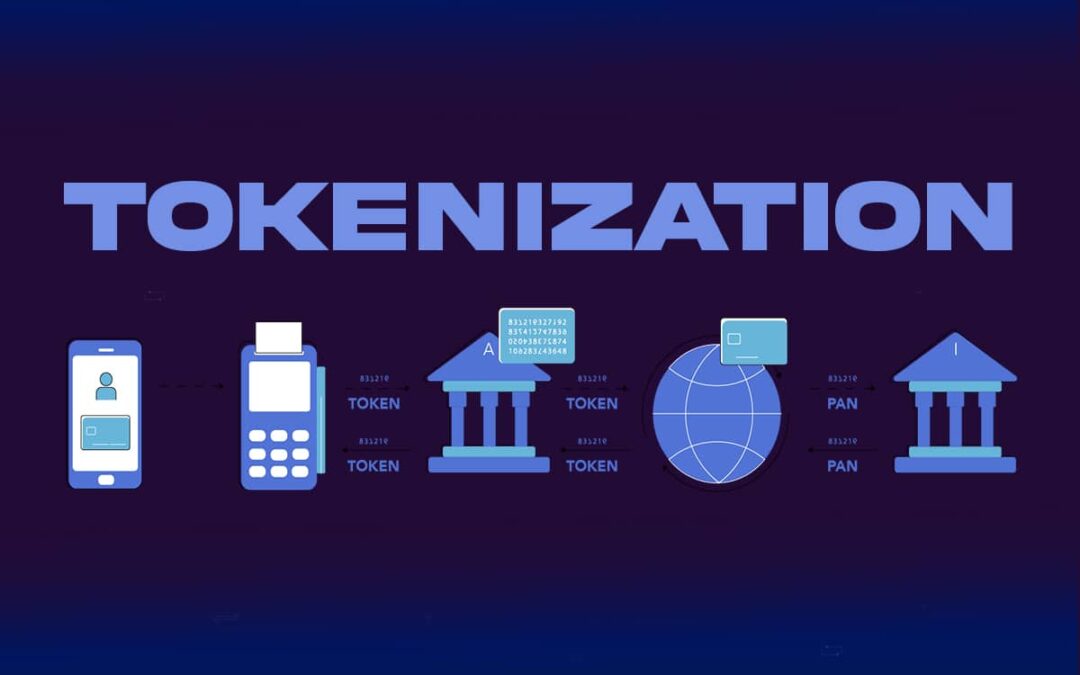
In the digital world, tokens replace sensitive information (like credit card numbers) with random strings of data. This makes transactions secure because merchants and financial institutions never need to store or transmit actual personal details.
Real-World Example: Payment Tokenization
When you save your credit card to Apple Pay or Google Wallet, your real card number is replaced with a token. This token processes transactions securely without ever exposing your real financial data.
This same principle is now being used for digital assets like cryptocurrencies, stocks, and even real estate.
Tokenization Meets Blockchain: A Powerful Combination
When integrated with blockchain technology, tokenization becomes revolutionary.
On a blockchain—a public, distributed ledger—tokens can be tracked in real time. Every transaction is visible, secure, and immutable (cannot be altered or deleted).
Example: Bitcoin as a Tokenized Currency
Bitcoin is the best-known example of a blockchain token. Each Bitcoin represents a unit of value that can be traced across the entire network. If Person A sends 1 Bitcoin to Person B, everyone on the network can verify the transaction, ensuring trust without needing a central authority.
Preventing Fraud: Double-Spending and Blockchain Security
One of the biggest challenges in digital systems is double-spending, or the risk of copying and reusing a digital asset multiple times. Blockchain solves this through its consensus mechanism and immutable ledger—every transaction is verified and permanently recorded, making duplication virtually impossible.
This built-in security is one of the main reasons tokenization is now being adopted across industries from banking to supply chain management.
What Is Asset Tokenization?
Asset tokenization means taking a real-world asset—like property, art, or gold—and representing it digitally on a blockchain.
For instance, imagine your house as a digital token. Instead of dealing with complex paperwork and middlemen to sell it, you could simply transfer the ownership token to the buyer on a blockchain platform. The process is faster, cheaper, and completely transparent.
This approach is already being used in platforms like Globacap, which enables companies to manage shares, equity, and investor relations entirely through tokenized systems.
Fungible vs. Non-Fungible Tokens (NFTs)
Fungible Tokens
Fungible tokens are interchangeable—each one holds the same value as another.
Examples: currencies, gold, and cryptocurrencies like Bitcoin or Ethereum.
If you swap one Bitcoin for another, their value remains equal.
Non-Fungible Tokens (NFTs)
Non-fungible tokens are unique and cannot be replaced by another.
Each NFT represents a one-of-a-kind digital or physical asset—like artwork, collectibles, or intellectual property.
The Benefits of Tokenization
Tokenization brings numerous advantages for businesses, investors, and consumers:
1. Fractional Ownership
Tokenization allows investors to own fractions of high-value assets like real estate or fine art. This democratizes access to investment opportunities traditionally reserved for the wealthy.
2. Increased Liquidity
Real estate and collectibles are often illiquid markets. Tokenizing them allows for instant transactions, as buyers and sellers can trade tokens 24/7 on digital platforms.
3. Transparency and Security
Every token transfer is recorded on the blockchain, making ownership disputes virtually impossible. All parties can see the entire transaction history in real time.
4. Cost and Time Efficiency
By eliminating intermediaries (lawyers, brokers, banks), tokenization drastically reduces costs and speeds up transactions.
Can Tokens Be Transferred Between Blockchains?
Tokens can be transferred between digital wallets within the same blockchain.
For example, an Ethereum-based NFT can be sent to another Ethereum wallet easily. However, transferring tokens between different blockchains (like Ethereum to Solana) typically requires specialized bridges or may not be possible directly.
Private vs. Public Blockchains: Where Tokens Live
Tokens can exist on both public and private blockchains:
- Public blockchains (like Ethereum or Bitcoin) are open to anyone.
- Private blockchains are restricted, used mainly by enterprises for internal operations.
In both cases, tokens function the same way—they represent ownership or value securely—but public tokens are accessible to global users, while private tokens are limited to authorized participants.
Final Thoughts: Why Tokenization Matters
Tokenization is more than a tech trend—it’s a fundamental shift in how we think about ownership, security, and value transfer. Whether through fractional real estate, NFTs, or tokenized gold, this technology is bridging the gap between the physical and digital worlds.
As blockchain adoption continues to grow, tokenization is set to reshape industries ranging from finance and real estate to art and gaming—creating a new era of borderless, efficient, and transparent digital economies.
👉 Ready to Explore More?
Learn how real-world asset tokenization is transforming investment opportunities and global trade in our next guide: “How Tokenized Assets Are Revolutionizing Global Markets.”
Source: globacap.com
About The Author