In the study of international political economy (IPE), few works are as influential as Susan Strange’s States and Markets, published in 1988. Strange challenged conventional economic theories by emphasizing that power, not just markets, shapes the global economy.
This article explores Strange’s groundbreaking contributions, her concept of structural power, and why her work remains essential for understanding the dynamics of modern global markets.
Who Was Susan Strange?
Susan Strange (1923–1998) was a British scholar and a pioneer in international political economy. She argued that traditional economics and political science had failed to fully capture the complex interplay between markets and political power. Her work bridged disciplines, combining economic analysis, political theory, and institutional studies to explain global economic phenomena.
The Core Idea of States and Markets
Published in 1988, States and Markets introduced the concept of structural power — the idea that power in the global economy is diffused across states, markets, and institutions. Strange argued that the international economy is not neutral or self-regulating; instead, it is shaped by political decisions, institutional frameworks, and the distribution of power among actors.
Key Themes:
- Structural Power: Control over the framework of the economy (money, production, and knowledge).
- Global Interdependence: Economic relationships are interconnected, but not equally beneficial.
- Role of States: States still shape markets through regulation, diplomacy, and policy intervention.
- Importance of Non-State Actors: Multinational corporations, financial institutions, and international organizations exert significant influence.
Structural Power Explained
Strange divided structural power into four forms:
- Security Power: Influence over the protection and control of resources and capital.
- Production Power: Control over the production of goods, services, and technology.
- Financial Power: Influence over credit, currency, and global financial flows.
- Knowledge Power: Control over information, ideas, and expertise that shape economic decisions.
For Strange, the most powerful actors are those who can shape the structures in which others operate, not just those who participate in transactions.
Why States and Markets Matters
1. Rethinking Globalization
Strange showed that globalization is not a neutral process. It is structured by powerful states, multinational corporations, and global financial institutions, which benefit some actors more than others.
2. Influence on Policy and Academia
Her ideas reshaped international political economy, inspiring scholars to study how markets, states, and institutions interact. She highlighted the limitations of purely economic or purely political analyses, advocating for an integrated approach.
3. Relevance Today
- Financial Crises: Understanding how structural power shapes market reactions.
- Global Trade Negotiations: Explains why certain countries or blocs dominate decision-making.
- Corporate Influence: Multinational corporations use structural power to influence policy, regulation, and innovation.
Key Quotes from Susan Strange
“Power in the world economy is the ability to shape the frameworks within which others operate.” — Susan Strange
“Markets are not autonomous; they exist within a framework defined by states, institutions, and powerful actors.” — Susan Strange
Examples of Structural Power in Action
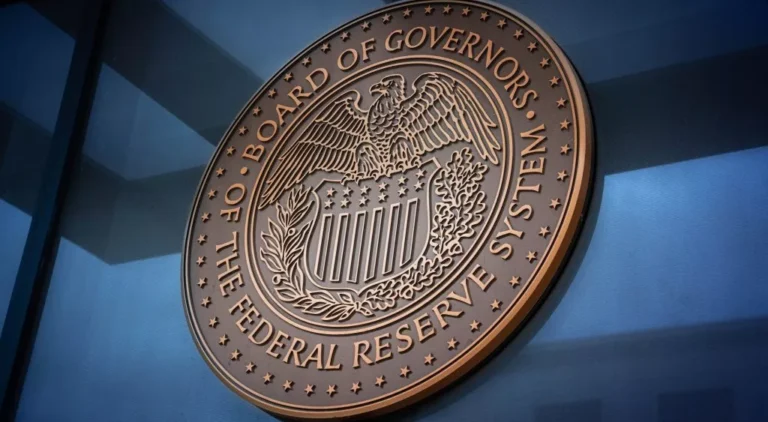
- U.S. Federal Reserve: Influences global credit markets through monetary policy.
- Tech Giants: Companies like Google and Apple shape knowledge and production globally.
- WTO and IMF: Set rules and frameworks that govern international trade and finance.
Recommended Reading
- Strange, Susan. States and Markets: An Introduction to International Political Economy. 1988.
- Gilpin, Robert. Global Political Economy: Understanding the International Economic Order. 2001.
- Oatley, Thomas. International Political Economy. 2022.
Conclusion
Susan Strange’s States and Markets remains a seminal text in international political economy. Her concept of structural power helps us understand that the global economy is shaped by both markets and the actors that control them, challenging the notion that markets operate independently of politics.
For students, researchers, and policymakers, Strange’s work provides a critical lens to analyze the power dynamics that govern trade, finance, and global economic policy today.
About The Author