The ongoing conflict involving Iran has created unprecedented disruptions in global aviation, forcing dozens of commercial flights into dramatic mid-air turnarounds now widely described as “flights to nowhere.”
One striking example occurred when Emirates flight EK10 departed from London and was already cruising over Saudi Arabia when reports emerged of a drone strike near its destination in Dubai.
Instead of landing, the aircraft turned around and flew back to its departure airport, completing a 9,100-kilometre round trip without reaching its destination.
The unusual journey has become a symbol of the severe disruptions facing airlines as war reshapes air routes across the Middle East.
Dubai Airport Temporarily Shut
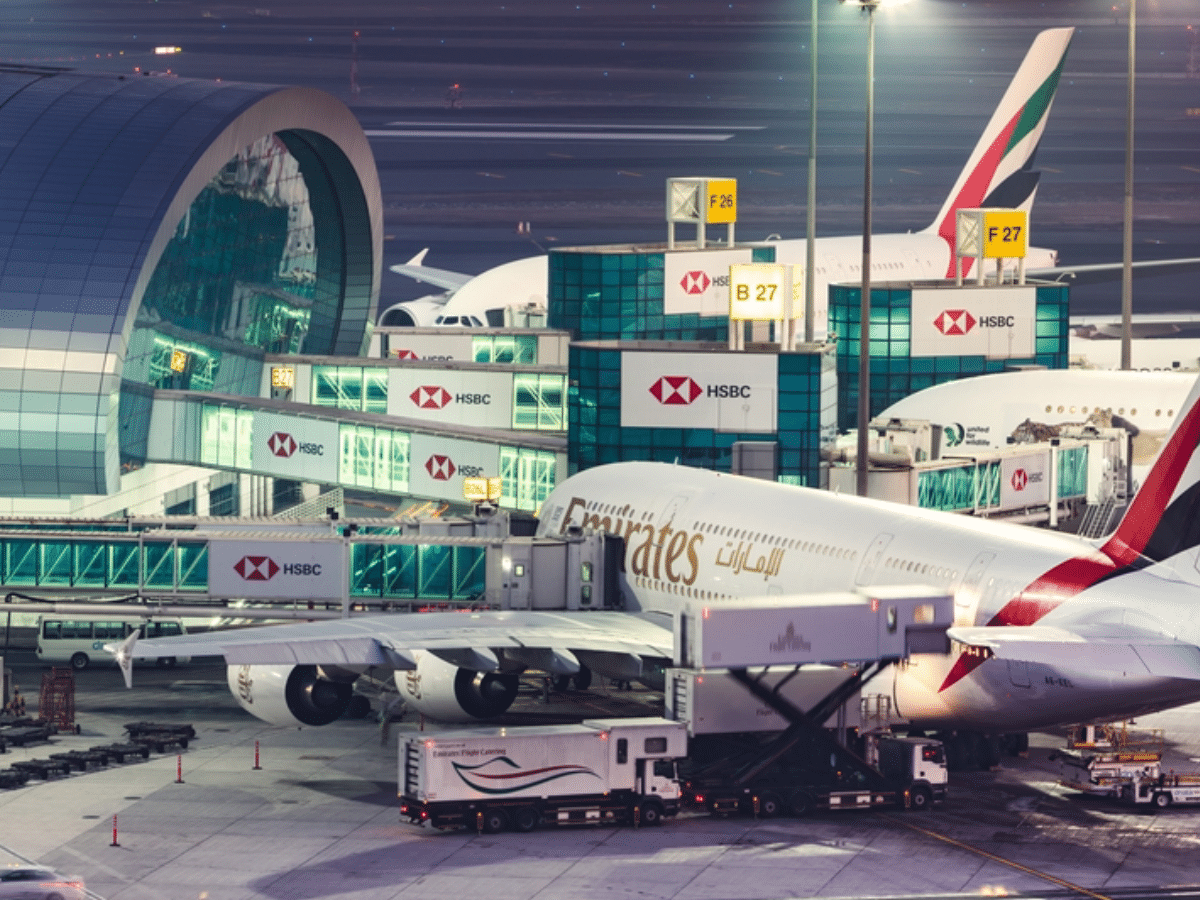
The sudden turnarounds were triggered when drone attacks linked to the regional conflict temporarily shut down operations at Dubai International Airport, widely regarded as the world’s busiest airport for international passengers.
Roughly 30 Emirates flights bound for Dubai were either ordered back to their origin airports or diverted to alternative destinations.
Passengers on several overnight flights expected to wake up just before landing in Dubai, only to discover their aircraft had reversed course hours earlier.
Social media quickly filled with flight-tracking maps showing aircraft making sharp U-turns across the Middle East and Mediterranean.
Airspace Closures Across the Gulf
The aviation chaos began shortly after the escalation of hostilities in the region on February 28. Large sections of Gulf airspace were temporarily closed as security risks increased.
Airlines across the region—including Emirates, Etihad Airways, Qatar Airways, and flydubai—were forced to suspend or drastically reroute operations.
At the peak of the disruption, regional air traffic nearly dropped to zero.
Although many flights have since resumed, intermittent missile and drone alerts continue to trigger sudden airspace restrictions and emergency diversions.
Marathon Flights and Sudden Detours
Flight-tracking data from aviation monitoring services shows that many aircraft were already hours into their journeys when they received instructions to divert or return.
Flights departing from major cities—including New York, Tokyo, Shanghai, and Moscow—were rerouted to alternative airports across the region.
Emergency landing points included hubs such as:
- Cairo
- Karachi
- Dhaka
- Islamabad
In some cases, aircraft from North America diverted to European airports before attempting the journey again later.
One particularly extreme case involved an Emirates flight departing from Shanghai. The aircraft eventually reached Dubai—but only after 20 hours of travel and more than 11,000 kilometres, including a refuelling stop in Bangladesh.
Thousands of Flights Cancelled
The war has forced airlines to make widespread schedule changes and cancellations.
According to aviation analytics data, since late February:
- More than 2,000 flights operated by Emirates have been cancelled, representing about 54% of its scheduled services.
- Qatar Airways has cancelled 93% of its flights.
- Etihad Airways has cancelled roughly 79% of services.
Across the region, about 30,000 flights to and from Middle Eastern airports have been cancelled since the conflict began.
Airlines Shift Operations to Alternative Airports
To maintain some level of connectivity, airlines have begun rerouting flights to secondary airports around the region.
Some flights originally scheduled to land in Dubai are now being redirected to nearby airports including:
- Dubai World Central Airport
- Al Ain
- Abu Dhabi
- Muscat
Other diverted routes have used regional hubs such as Jeddah and Medina.
These adjustments allow airlines to keep some routes active while avoiding high-risk airspace.
A New Reality for Global Aviation
The Middle East has long been a critical crossroads for global aviation, connecting Europe, Asia, Africa, and North America through major hub airports like Dubai.
The conflict has highlighted how quickly geopolitical crises can disrupt this interconnected system.
Airlines now face multiple challenges simultaneously:
- Rising fuel costs
- Unpredictable airspace closures
- Massive passenger disruptions
- Longer and more expensive flight routes
For travelers, the phenomenon of “flights to nowhere” has become a dramatic reminder of how international conflicts can ripple across industries far beyond the battlefield.
As long as tensions in the region continue, aviation experts warn that airlines may need to keep adapting routes—and passengers may need to prepare for unexpected journeys in the skies.
About The Author