Massive Prague Protest: Tens of Thousands Rally Against Government Policies in the Czech Republic
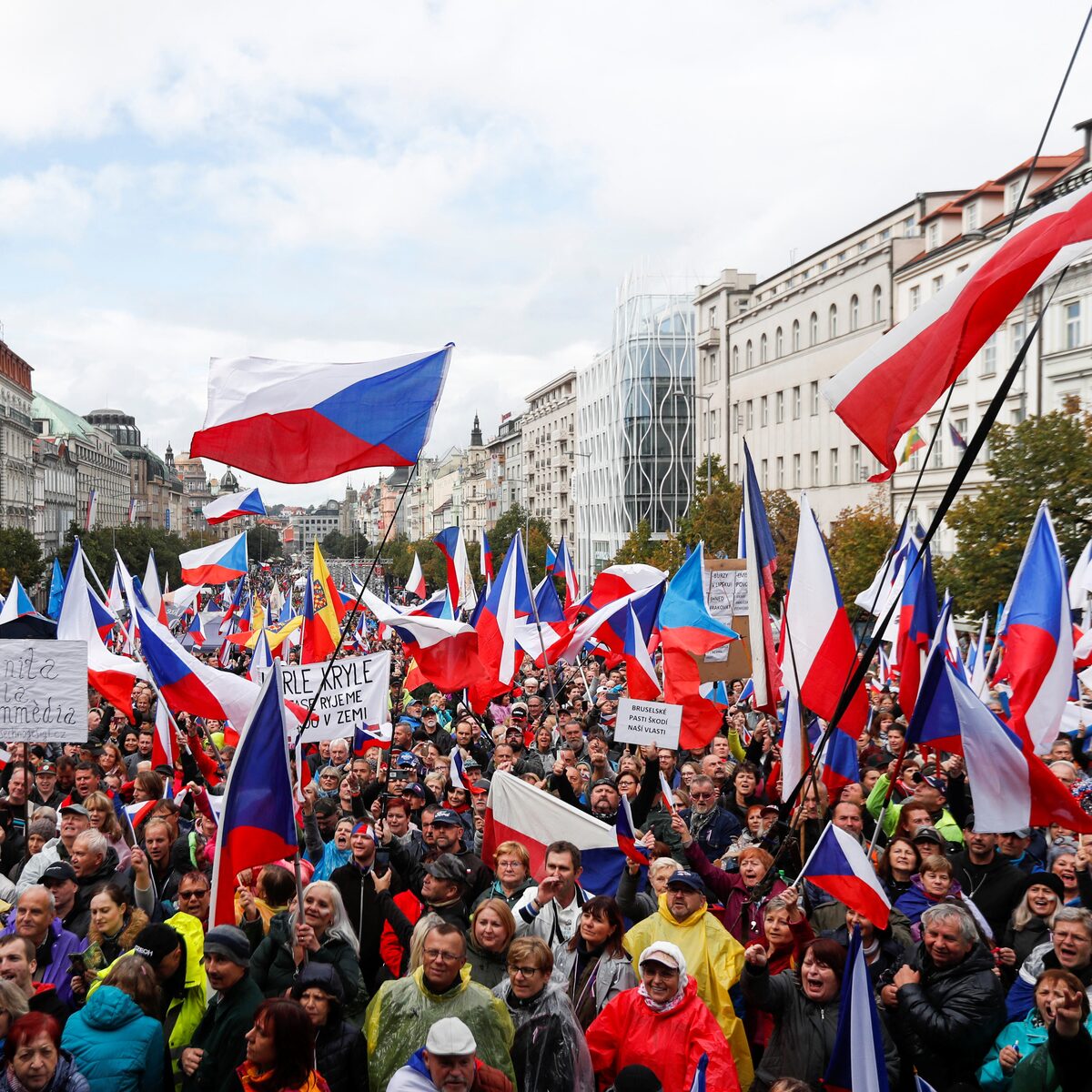
Large crowds filled the streets of Prague on Saturday as citizens gathered to express dissatisfaction with the current leadership and policies of the Czech government. The demonstration, which took place on the famous Letná Plain overlooking the historic city center, became the largest anti-government protest in the country since 2019. Organizers estimated that approximately 250,000 people participated, turning the gathering into a significant show of public discontent.
Participants traveled from across the Czech Republic to voice their concerns about recent political developments. Many protesters carried Czech and European Union flags, emphasizing their support for democratic values, transparency in governance, and stronger ties with the European community. The rally illustrated growing tensions between segments of the population and the government led by Prime Minister Andrej Babiš.
The demonstration was organized by the civic group Million Moments for Democracy, which has previously coordinated large-scale protests advocating democratic principles and accountability among political leaders. As the crowd gathered throughout the afternoon, speakers and participants expressed worries about the future of democratic institutions, media independence, and the nation’s political direction.
Growing Public Concern Over Media Independence
One of the central issues driving the protest was concern about potential changes to public broadcasting. Critics argue that proposed reforms to the funding and governance of public television could weaken editorial independence and open the door to political influence.
Many demonstrators believe that a free and independent media landscape is essential for maintaining democratic oversight. According to protesters, altering the financial structure of public media could make it more vulnerable to pressure from political authorities. Such changes, they argue, could limit the ability of journalists to report freely and hold officials accountable.
Among the participants was a young university student who said he attended the rally because he believes the country’s democratic institutions must remain strong and protected. He emphasized that transparent governance and independent journalism are pillars of a healthy democracy and should not be compromised.
For many attendees, the possibility of government interference in public media represents a serious warning sign. The protesters stressed that safeguarding the independence of journalists and broadcasters is critical not only for the Czech Republic but also for maintaining trust between citizens and their government.
Debate Over Defense Spending and Government Policy
Another issue fueling public dissatisfaction involves changes to defense spending in the national budget. Critics of the government have expressed concern about reductions in military expenditures, arguing that such decisions could weaken the country’s security posture at a time of heightened geopolitical tension in Europe.
Opposition voices claim that cutting defense funding may send the wrong signal to international partners and could undermine commitments to collective security within European and transatlantic alliances. Demonstrators at the rally argued that maintaining a strong and modern defense system is necessary for protecting national sovereignty and stability.
Supporters of the protest also raised questions about broader policy shifts under the current administration. Some worry that the government’s priorities may not align with long-term national interests or with the expectations of voters who support stronger democratic safeguards.
Speakers at the event urged political leaders to reconsider budgetary decisions and engage in open dialogue with citizens regarding national security and economic planning. The call for transparency and consultation became a recurring theme throughout the demonstration.
Political Tensions and Institutional Disputes
The political climate in the Czech Republic has become increasingly tense since the current administration returned to power late last year. The government, led by Prime Minister Andrej Babiš and his ANO movement, formed a coalition with several right-wing and far-right parties after spending several years in opposition.
This political shift has led to renewed debates about the direction of the country’s governance and its relationship with European democratic norms. Critics fear that certain policy proposals could concentrate power or weaken institutional checks and balances.
Tensions have also emerged between the government and President Petr Pavel. Disagreements between the two leaders have surfaced over ministerial appointments and defense policies, contributing to a broader political standoff. Earlier this year, another large demonstration was held in support of the president, drawing tens of thousands of participants.
These developments highlight the complex dynamics within the Czech political system, where executive decisions, parliamentary alliances, and presidential authority sometimes intersect in contentious ways. For many citizens, the protests represent an attempt to encourage dialogue and ensure that democratic institutions remain balanced and accountable.
Civic Activism and the Role of Public Demonstrations
The organization behind the rally, Million Moments for Democracy, has played a significant role in mobilizing civic participation in recent years. The group gained prominence during large protests in 2019, when hundreds of thousands of people gathered to demand higher standards of political transparency and ethics.
Saturday’s demonstration shows that civic activism remains a powerful force in Czech society. By bringing together citizens from diverse backgrounds—students, teachers, professionals, and retirees—the event underscored a shared commitment to democratic values.
Public demonstrations have long been an important part of the Czech Republic’s political culture. Since the country’s transition from communism to democracy, citizens have frequently taken to the streets to express their views on governance and policy. These gatherings often serve as a way for the public to communicate directly with political leaders and to highlight issues that might otherwise receive limited attention.
Participants at the Prague rally repeatedly emphasized that their goal was not simply to criticize government actions but also to defend the democratic principles that define modern Czech society. Many speakers called for constructive dialogue, transparency, and respect for the rule of law.
Looking Ahead: The Future of Czech Democracy
The massive turnout at the protest suggests that political engagement remains high among Czech citizens. While the government has defended its policies and decisions, the scale of the demonstration indicates that a significant portion of the population is closely watching how the country’s leadership navigates current challenges.
Observers note that protests of this size can influence political debate and encourage policymakers to respond to public concerns. Whether through adjustments to proposed reforms, renewed discussions about media independence, or changes in budget priorities, the issues raised by demonstrators are likely to remain part of the national conversation.
At the same time, the events in Prague highlight broader questions facing democracies across Europe. Balancing political authority with institutional independence, ensuring transparency in governance, and maintaining strong democratic norms are challenges that many countries continue to confront.
For the Czech Republic, the rally served as a reminder that civic participation plays a crucial role in shaping the country’s political future. As citizens continue to voice their opinions through public debate, elections, and demonstrations, the strength of democratic institutions will depend on the willingness of leaders and voters alike to engage constructively.
The gathering on Letná Plain may ultimately become a defining moment in the ongoing discussion about the nation’s direction. Whether it leads to policy adjustments or deeper political dialogue, the message from the crowd was clear: many Czechs are determined to remain active participants in the defense and development of their democracy.
About The Author