Global financial markets were rattled this week as fears of a prolonged Middle East conflict triggered concerns over a potential oil price shock. While European markets showed signs of stabilizing midweek, Asian equities — particularly technology-heavy indices — suffered steep losses, led by a historic selloff in South Korea.
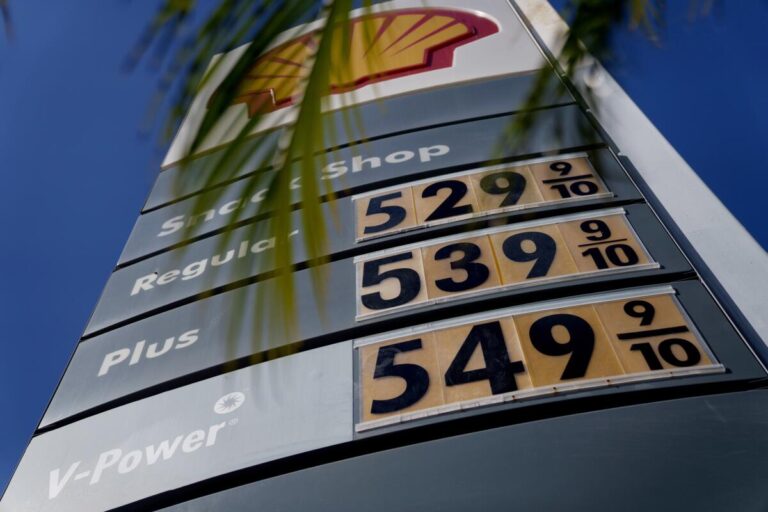
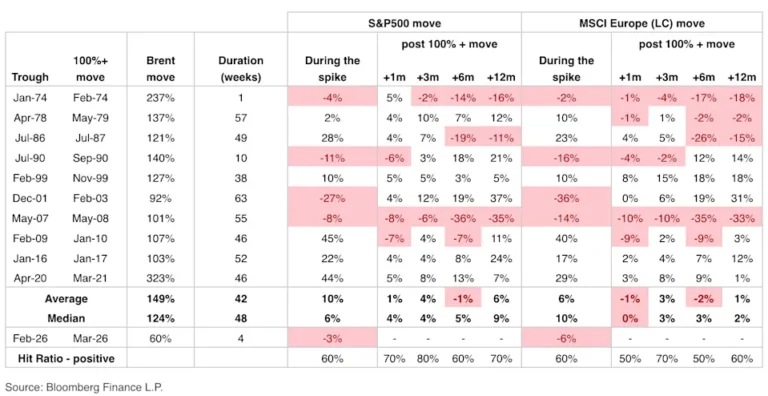
At the center of investor anxiety is the rapid rise in oil prices. Benchmark Brent crude climbed above $83 per barrel, extending gains for a third consecutive session after touching even higher levels earlier in the week. Although prices retreated slightly following reports of possible diplomatic backchannels between Iran and U.S. intelligence officials, uncertainty remains high.
The core concern is straightforward: sustained elevated energy prices could reignite inflation pressures globally, delay interest rate cuts, and destabilize sectors that had benefited from expectations of looser monetary policy.
South Korea Records Historic Market Crash
The most dramatic market reaction occurred in Seoul. South Korea’s benchmark KOSPI plunged 12% in a single session — its largest one-day decline on record. Over two days, the index has shed more than 18% of its value.
South Korea is heavily dependent on Middle Eastern oil imports, making it particularly vulnerable to energy supply disruptions. Investors aggressively sold semiconductor and technology stocks, sectors that had been among the strongest performers in recent months.
The selloff was compounded by currency weakness. The South Korean won fell to a 17-year low, reflecting capital outflows and rising risk aversion.
Regional contagion quickly spread. Japan’s Nikkei 225 dropped 3.6%, while Taiwan’s Taiwan Weighted Index declined 4.3%, as investors exited chipmakers and export-oriented firms.
Market strategists described the shift as a transition from selective repositioning to a broader “sell-what-you-can” phase, where liquidity becomes paramount and diversification strategies unwind rapidly.
European Markets Stabilize After Sharp Losses
While Asia absorbed the brunt of the shock, European markets showed tentative signs of recovery. The pan-European STOXX Europe 600 rose 1.5% midweek after suffering a cumulative 4.6% decline over the previous two sessions — its steepest two-day fall since April 2025’s tariff-related volatility.
Traders cited a report suggesting indirect diplomatic communication between Iran and U.S. intelligence channels as a calming factor. The possibility of de-escalation eased immediate fears of a full-scale regional energy disruption.
European gas prices dipped modestly but remain approximately 60% higher than last Friday’s levels, highlighting the fragility of energy markets.
U.S. equity futures also turned slightly positive, suggesting Wall Street may avoid the most severe turbulence seen in Asian markets — at least for now.
Oil Prices and Inflation Fears Dominate Outlook
Energy markets remain the focal point. Brent crude’s position above $83 per barrel is significant, as sustained prices at this level could reintroduce inflationary pressures globally.
U.S. President Donald Trump indicated the U.S. Navy could escort tankers through the Strait of Hormuz if necessary, a move aimed at ensuring energy supply continuity. However, shipping analysts remain skeptical about the operational feasibility and geopolitical implications of such actions.
The concern is not just the immediate spike in oil prices but the possibility that energy costs remain elevated for an extended period. Prolonged high oil prices typically translate into:
- Increased transportation and logistics costs
- Higher manufacturing expenses
- Elevated consumer prices
- Reduced corporate profit margins
These inflationary pressures could complicate central bank policy decisions worldwide.
Rate Cut Expectations Shift Sharply
Bond markets are already adjusting. Earlier optimism about imminent rate cuts has weakened as traders reassess inflation risks.
The yield on the U.S. 10-year Treasury note rose to 4.08%, gaining 11 basis points this week. Two-year yields — which are more sensitive to monetary policy expectations — climbed 13 basis points to 3.51%.
Markets now see the Federal Reserve as more likely to hold rates steady in June rather than begin easing. Higher oil prices are inherently inflationary, limiting the central bank’s flexibility.
Similarly, expectations for a near-term rate cut from the Bank of England have diminished. Two-year gilt yields are up 25 basis points this week, reflecting a sharp repricing of monetary policy outlooks.
For equity markets, this is a double blow: rising input costs and the prospect of higher-for-longer interest rates.
Safe Havens Show Mixed Signals
Interestingly, traditional safe-haven assets have displayed volatility. Gold fell more than 4% on Tuesday amid liquidity-driven selling but rebounded 2% on Wednesday to trade around $5,193 per ounce.
The U.S. dollar strengthened broadly, gaining 1.3% against the Japanese yen and 0.5% versus the Swiss franc — currencies often considered safe havens. The euro attempted a modest recovery to $1.1650 but remains down more than 1% this week, pressured by Europe’s energy exposure.
Money-market funds have emerged as a beneficiary, attracting inflows from investors seeking liquidity and capital preservation.
Why Asian Tech Is Especially Vulnerable
The technology sector’s vulnerability stems from multiple intersecting factors:
- Energy Sensitivity: Semiconductor manufacturing is energy-intensive, making higher power costs detrimental to margins.
- Rate Sensitivity: Tech valuations are closely tied to interest rate expectations. Delayed rate cuts reduce the present value of future earnings.
- Global Supply Chains: Asian tech firms are deeply integrated into global supply networks, making them susceptible to geopolitical disruptions.
Investors who had diversified into Asian semiconductor stocks prior to the Iran conflict suddenly found these positions exposed to heightened macroeconomic risk.
Is This a Temporary Shock or Structural Shift?
The key question now facing markets is whether this week’s turbulence represents a short-term headline shock or the beginning of a longer structural repricing.
Wall Street has so far avoided severe damage, with the S&P 500 down just under 1% for the week. However, financial leaders caution against complacency. Market digestion of geopolitical events often unfolds over weeks rather than days.
If oil prices remain elevated and inflation expectations rise, global equity valuations could face sustained pressure.
Conversely, credible diplomatic progress and stabilization in energy markets could allow equities to recover, especially in oversold sectors.
Final Assessment
The global selloff underscores how interconnected energy markets and financial systems have become. Oil prices above $80 per barrel are not merely a commodity story — they influence inflation trajectories, interest rate expectations, currency flows, and sector performance.
Asian markets, particularly tech-heavy economies dependent on imported energy, are currently bearing the brunt of investor fear. Europe is attempting a fragile rebound, while U.S. markets remain cautiously resilient.
Ultimately, the trajectory of Brent crude and developments in the Middle East will determine whether this episode evolves into a sustained oil shock or fades into another brief bout of geopolitical volatility.
For now, markets remain on edge — and energy prices are in the driver’s seat.
About The Author