Oil Prices Plunge 7% After Trump Signals Possible Middle East De-Escalation
Global oil markets experienced a dramatic reversal as prices fell sharply after reaching multi-year highs. The sudden drop followed comments from U.S. President Donald Trump suggesting that the conflict in the Middle East could soon de-escalate, easing fears of prolonged disruptions to global oil supply.
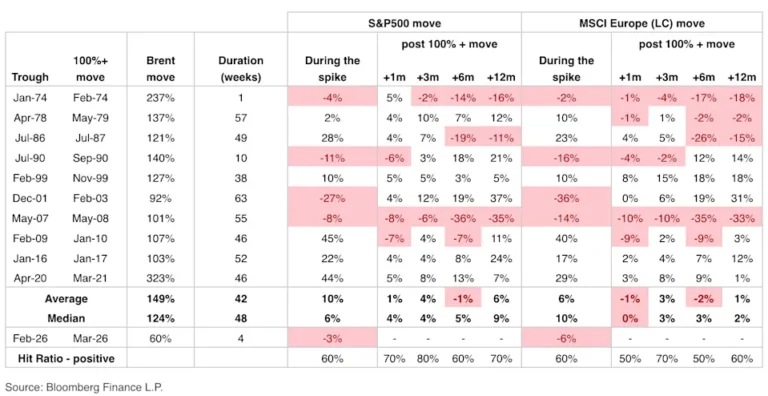
Oil traders had previously pushed prices above the critical $100 per barrel level amid escalating tensions involving the United States, Israel, and Iran. However, the outlook shifted quickly once signs emerged that diplomatic efforts might lead to a quicker resolution than initially expected.
As a result, energy markets saw a significant correction, with benchmark crude prices dropping nearly 7% in a single trading session. Despite the steep decline, analysts caution that underlying risks remain, and the global energy market could continue to face volatility in the coming weeks.
Oil Markets Reverse After Surge Above $100
Oil prices had surged dramatically just a day earlier, reaching their highest levels in more than three years. The sharp rally was driven by concerns that the expanding military conflict in the Middle East could disrupt global energy supplies.
On Tuesday morning, however, prices moved in the opposite direction.
Brent crude, the international benchmark for oil prices, fell by approximately $6.79 per barrel, dropping to around $92.17. At the same time, U.S. West Texas Intermediate (WTI) crude declined by about $6.55, settling near $88.22 per barrel.
During early trading hours, both oil contracts experienced even larger declines, briefly dropping as much as 11% before recovering slightly.
This rapid shift illustrates how sensitive oil markets are to geopolitical developments. Even small signals about diplomatic progress or military escalation can trigger major price movements.
Middle East Conflict Driving Energy Market Volatility
The recent spike in oil prices was largely fueled by fears that the ongoing conflict involving Iran, Israel, and the United States could severely disrupt global oil production and transportation.
The Middle East remains one of the world’s most critical regions for energy supply. Several major oil-producing nations operate within the area, and key shipping routes transport millions of barrels of crude oil daily to global markets.
Any threat to production facilities or shipping lanes can quickly create supply shortages and push prices higher.
Compounding these concerns were earlier production cuts by Saudi Arabia and other major oil producers. These supply reductions had already tightened the global energy market before the latest geopolitical tensions intensified.
When conflict risks increased, traders added a “risk premium” to oil prices, pushing them above the $100 per barrel threshold.
Diplomatic Signals Calm the Markets
The sharp drop in oil prices was triggered by signals suggesting that the conflict may not last as long as investors feared.
President Donald Trump indicated in a televised interview that the war could conclude sooner than expected. According to his remarks, military operations were progressing faster than initial estimates, raising the possibility that the conflict might end within a shorter timeframe.
Reports also emerged that Russian President Vladimir Putin had discussed potential settlement proposals with Trump during a phone call. According to sources close to the Kremlin, these proposals could help accelerate diplomatic negotiations aimed at resolving the conflict.
These developments reassured investors that global oil supplies might not face long-term disruption.
Once traders believed that supply routes could remain open, the “panic premium” embedded in oil prices quickly began to disappear.
Analysts Warn Market Reaction May Be Overdone
Despite the sharp decline in prices, some market analysts believe the reaction may have been excessive.
Energy experts note that the geopolitical situation remains highly uncertain, and risks to oil supply have not completely disappeared. Military tensions in the region are still ongoing, and infrastructure vulnerabilities remain.
For example, key Middle Eastern oil benchmarks such as Murban and Dubai crude are still trading above $100 per barrel, indicating that supply concerns have not fully dissipated.
Analysts therefore warn that the market may have shifted too quickly from extreme optimism to extreme pessimism. In volatile environments, price swings in both directions are common.
Iran Threatens to Block Regional Oil Exports
Adding to the uncertainty, Iran has issued strong warnings regarding the potential continuation of the conflict.
Officials from Iran’s Islamic Revolutionary Guard Corps stated that Tehran would ultimately determine when the war ends. They also warned that if attacks from the United States and Israel continue, Iran could take measures to block oil exports from the region.
Such a move would represent a major escalation with significant implications for global energy markets.
The Persian Gulf and surrounding waterways handle a large share of the world’s oil exports. Any disruption to these shipping routes could rapidly reduce global supply and drive prices significantly higher.
Because of these risks, investors remain cautious despite the recent price decline.
Possible Policy Responses to Stabilize Oil Markets
Governments and international organizations are closely monitoring developments in the energy market. Rapid increases in oil prices can drive inflation higher, strain household budgets, and slow economic growth.
To prevent severe economic disruption, policymakers are considering several potential actions.
One option being discussed is easing sanctions on Russian oil exports. Increasing the availability of Russian crude could help offset supply shortages caused by instability in the Middle East.
Another possibility involves releasing crude oil from strategic petroleum reserves. Many advanced economies maintain emergency stockpiles specifically designed to stabilize markets during supply disruptions.
The Group of Seven (G7) nations recently indicated that they are prepared to take action if necessary. However, they stopped short of committing to an immediate release of emergency reserves.
Officials appear to be waiting to see whether market conditions stabilize before implementing more aggressive interventions.
Long-Term Outlook for Oil Prices
Despite the dramatic volatility seen in recent days, some analysts believe oil prices could eventually return to lower levels once geopolitical tensions subside.
Major investment banks have maintained relatively moderate long-term forecasts for crude prices. For example, projections suggest that Brent crude could average around $66 per barrel by late 2026, while U.S. WTI crude may settle closer to $62.
However, such forecasts depend heavily on global economic growth, production levels from major oil exporters, and the stability of international energy supply chains.
The current situation highlights the fragile balance of the global oil market. Even short-term geopolitical events can create large price swings that ripple across the global economy.
Energy Markets Remain Highly Sensitive to Geopolitics
The latest movements in oil prices demonstrate how quickly global energy markets can react to political and military developments.
Within just two days, crude prices surged above $100 per barrel and then plunged nearly 7% as expectations about the conflict changed.
For investors, policymakers, and businesses, this volatility underscores the importance of monitoring geopolitical risks alongside traditional economic indicators.
As the situation in the Middle East continues to evolve, energy markets are likely to remain highly sensitive to new information. Any developments related to diplomacy, military escalation, or supply disruptions could once again shift oil prices dramatically.
For now, traders and governments alike are watching closely, aware that the balance between conflict and resolution will play a crucial role in determining the future direction of global energy markets.
About The Author