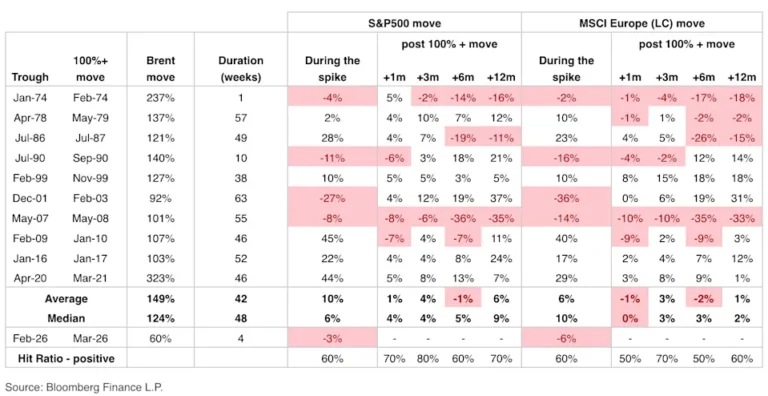
Oil prices have climbed above $100 a barrel for the first time since 2022, as geopolitical tensions involving Iran continue to shake global energy markets.
Both major benchmarks—West Texas Intermediate crude and Brent crude—have surged more than 50% since the conflict escalated. Over the weekend, prices climbed above $108 per barrel as supply fears intensified.
For consumers, the impact of rising oil prices goes far beyond the gas pump. Because oil plays a critical role in transportation, manufacturing, agriculture, and packaging, price spikes often ripple through many parts of the economy.
Here are five key ways oil prices above $100 could affect your everyday spending.
1. Higher Gasoline and Transportation Costs
The most immediate effect of rising oil prices is higher fuel costs.
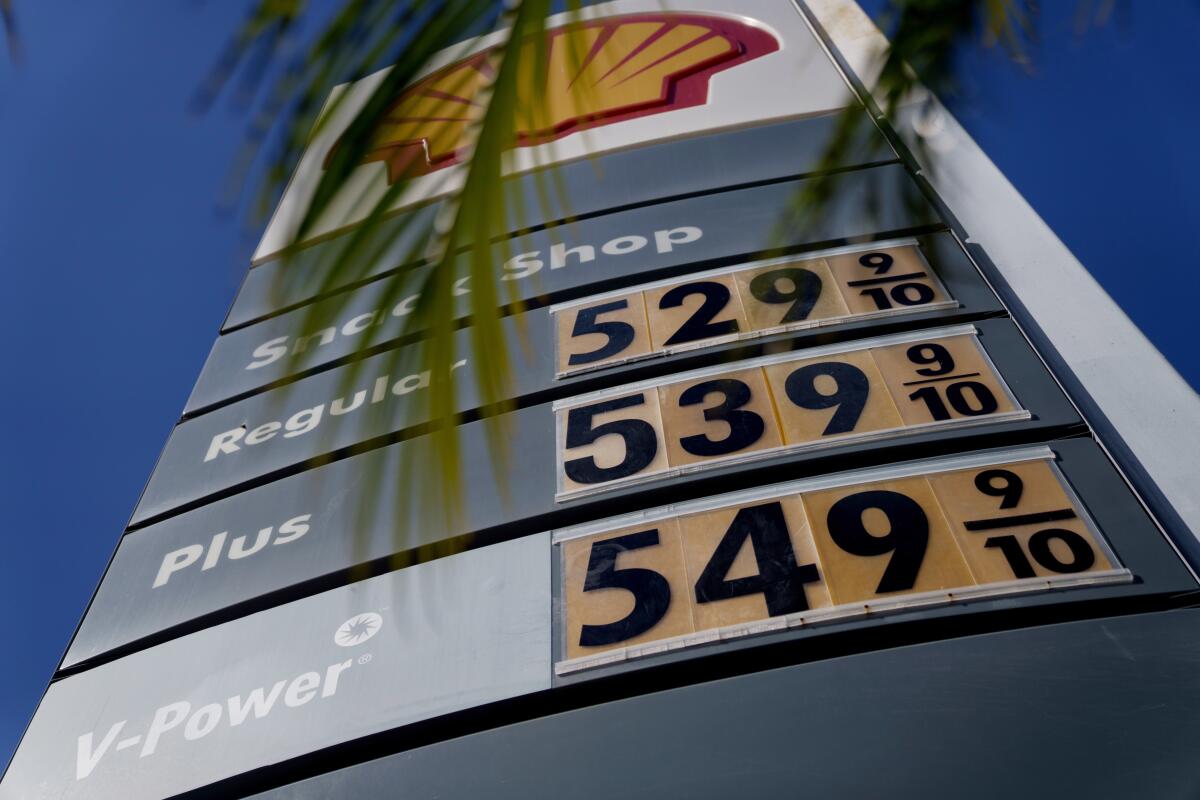
The national average price of gasoline in the United States has already jumped to around $3.40 per gallon, up from roughly $2.98 just a week earlier. As crude oil prices increase, refiners and fuel distributors typically pass those costs down to drivers.
But gasoline is only part of the story. Higher oil prices can also increase:
- Airplane ticket prices due to higher jet fuel costs
- Shipping and delivery expenses
- Trucking and logistics costs
- Rideshare fares when fuel surcharges are added
As transportation becomes more expensive, the cost of moving goods across the country also rises.
2. Rising Grocery Bills
Food prices are also sensitive to changes in energy markets.
According to the International Energy Agency, energy-related costs—including fuel and natural gas—can represent up to 50% of total variable costs in food production in advanced economies like the United States.
Oil influences food prices in several ways:
- Fuel for farm equipment
- Transportation from farms to grocery stores
- Fertilizers and pesticides derived from petroleum
- Plastic packaging used for food products
When these costs increase, grocery stores and food manufacturers often raise prices to protect their profit margins.
3. More Expensive Household Goods
Many everyday household items are directly linked to petroleum products.
Plastic is derived from oil, meaning higher crude prices can increase the cost of products such as:
- Food storage containers
- Kitchen utensils
- Storage bins and household organizers
- Toys and home décor
Even toiletries, cleaning supplies, and personal care products can become more expensive if the materials used in their production rely on petroleum-based chemicals.
4. Higher Home Heating and Energy Costs
Energy used to heat homes can also be affected by rising oil prices.
Heating oil and propane prices are particularly sensitive to crude oil movements. According to data from the U.S. Energy Information Administration, heating oil prices have already increased significantly in recent weeks.
Households that rely on heating oil or propane may see higher utility bills, especially during colder months when demand rises.
Even electricity costs can rise indirectly if power plants rely on oil or natural gas for generation.
5. Clothing and Fabric Price Increases
Oil prices can even affect the cost of clothing.
Many synthetic fabrics—including polyester, nylon, and spandex—are made using petroleum-based chemicals. As the cost of crude oil rises, the cost of producing these materials may also increase.
This could lead to modest price hikes for clothing, athletic wear, and other textile products that rely heavily on synthetic fibers.
How to Protect Your Budget
While consumers cannot control global oil prices, there are steps households can take to reduce the impact of rising costs.
Here are a few practical strategies:
Reduce Fuel Use
Driving less can significantly cut fuel expenses. Options include carpooling, using public transportation, biking, or walking when possible.
Buy Essentials in Bulk
If you expect prices to rise, purchasing commonly used items in bulk may help lock in lower prices before costs increase further.
Adjust Your Budget
Reviewing spending habits and setting aside additional funds for fuel, groceries, and utilities can help absorb the impact of higher prices.
Why Oil Prices Affect So Much
Oil remains one of the most important commodities in the global economy. It is not only used for fuel but also serves as a key input in manufacturing, agriculture, packaging, and transportation.
Because of this widespread role, fluctuations in oil prices tend to ripple through nearly every sector of the economy.
When oil prices rise sharply, consumers often feel the effects quickly—from the gas pump to the grocery store and beyond.
Staying informed about energy markets can help households prepare for these changes and make smarter financial decisions as global conditions evolve.
About The Author